








Bolgs

-
_storage_tank.jpg)
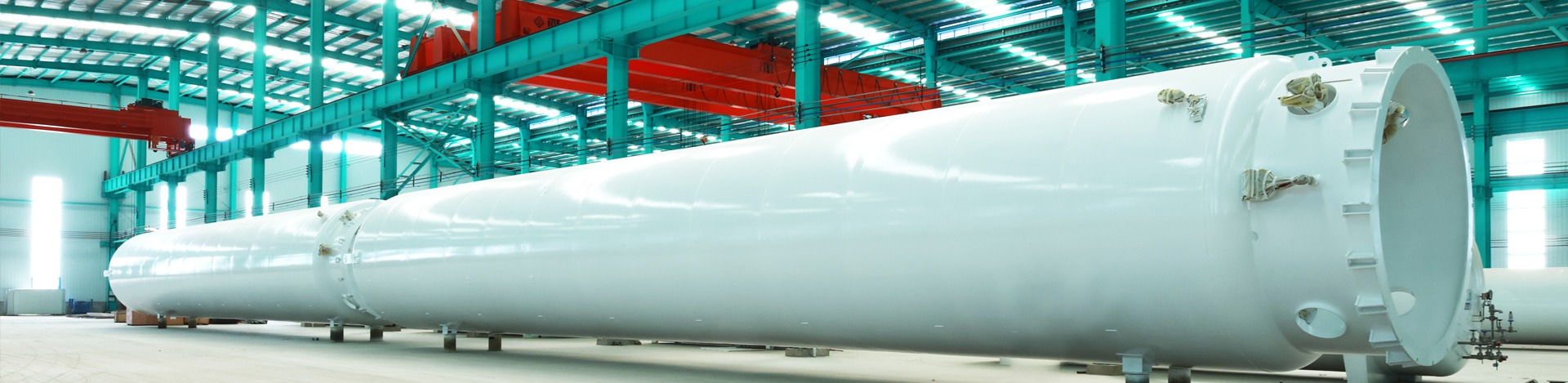
Horizontal vs Vertical Cryogenic Tanks: When and Why to Choose Horizontal
Horizontal vs vertical cryogenic tanks: when to choose a horizontal orientation, the advantages of horizontal tanks for specific site layouts, how installation requirements differ, ...
22
2026-09
-
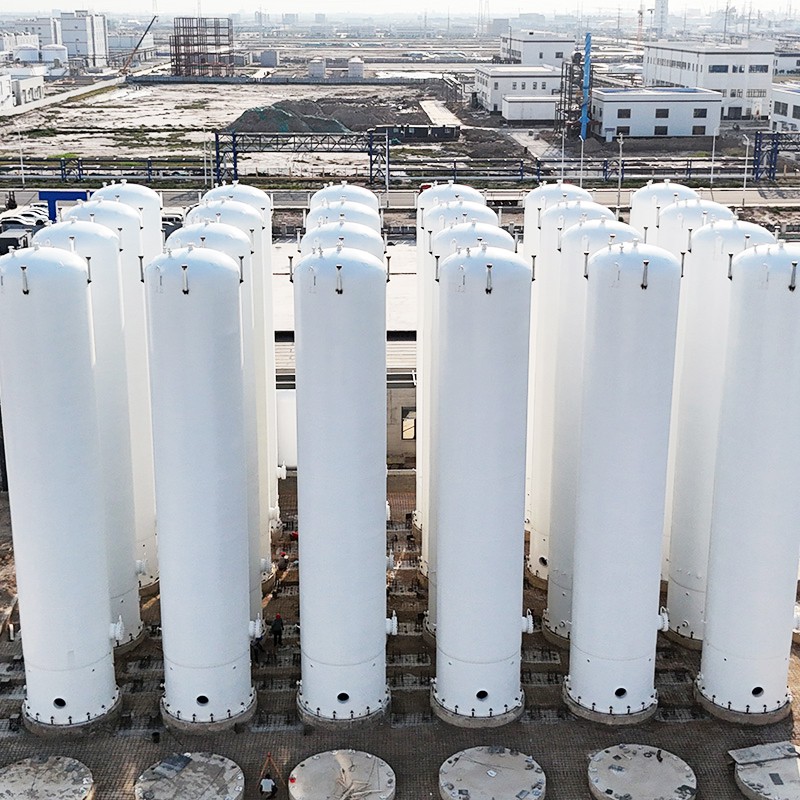
Vacuum Powder Insulation Technology in Cryogenic Tanks: How It Works
Vacuum powder insulation technology in cryogenic tanks: how perlite-filled vacuum annuli work, what determines heat leak rates, why insulation performance degrades over time, and ho...
20
2026-09
-
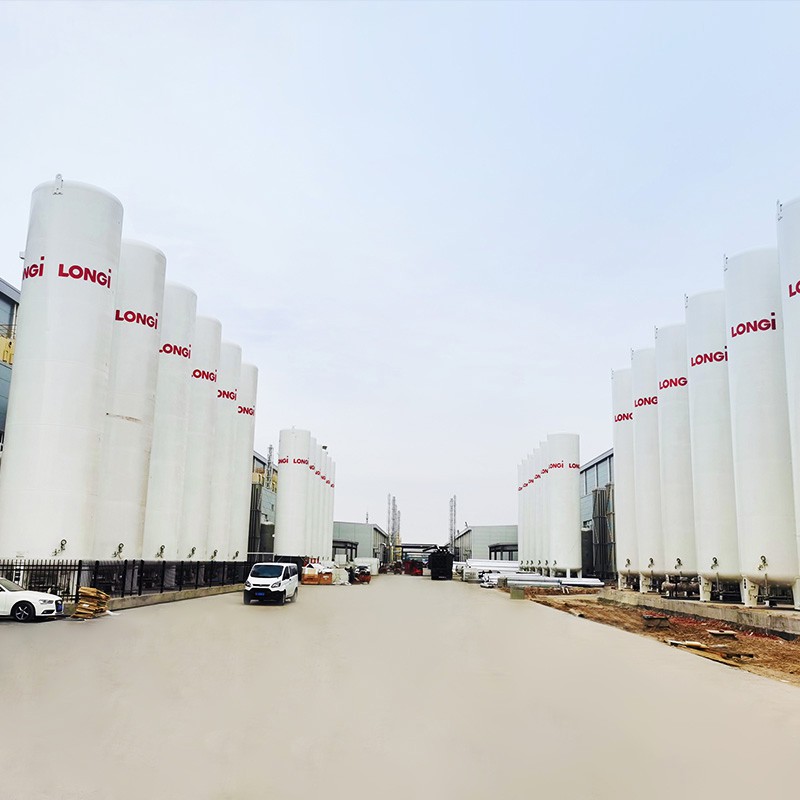
Cryogenic Tank Valves, Pressure Relief Devices, and Accessories: A Complete Guide
Cryogenic tank valves, pressure relief devices, and accessories: how pressure safety valves, globe valves, and cryogenic piping components work, why they are critical for safe opera...
20
2026-09
-
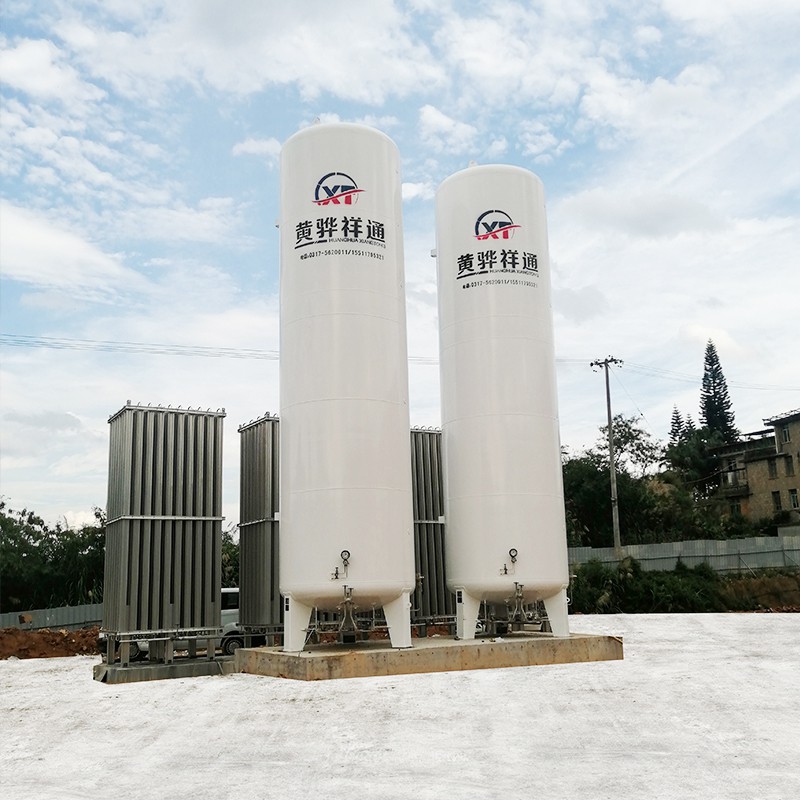
LNG Peak Shaving Stations: Storage Tank Design for Seasonal Gas Demand Balancing
LNG peak shaving stations and their storage tank requirements: how large-volume cryogenic tanks balance seasonal gas demand, why peak shaving storage is critical for urban gas netwo...
20
2026-09
-
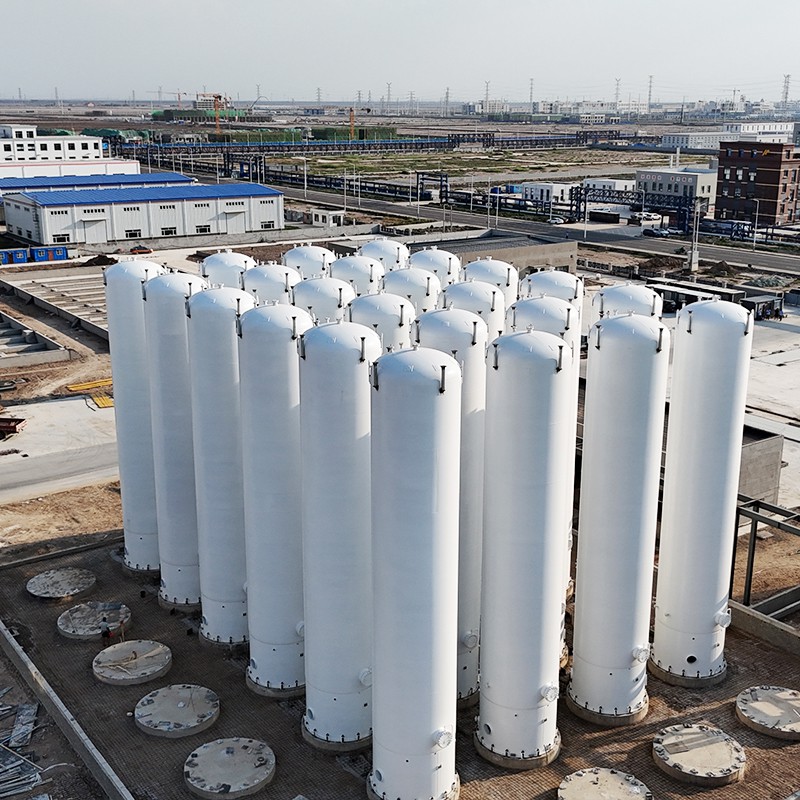
Liquid CO2 Storage Tanks: The High-Pressure Cryogenic Tank for Food and Industrial Use
Liquid CO2 storage tanks for food, beverage, and industrial applications: why LCO2 tanks operate at higher pressures than other cryogenic tanks, how to select the right tank size, a...
20
2026-09
-
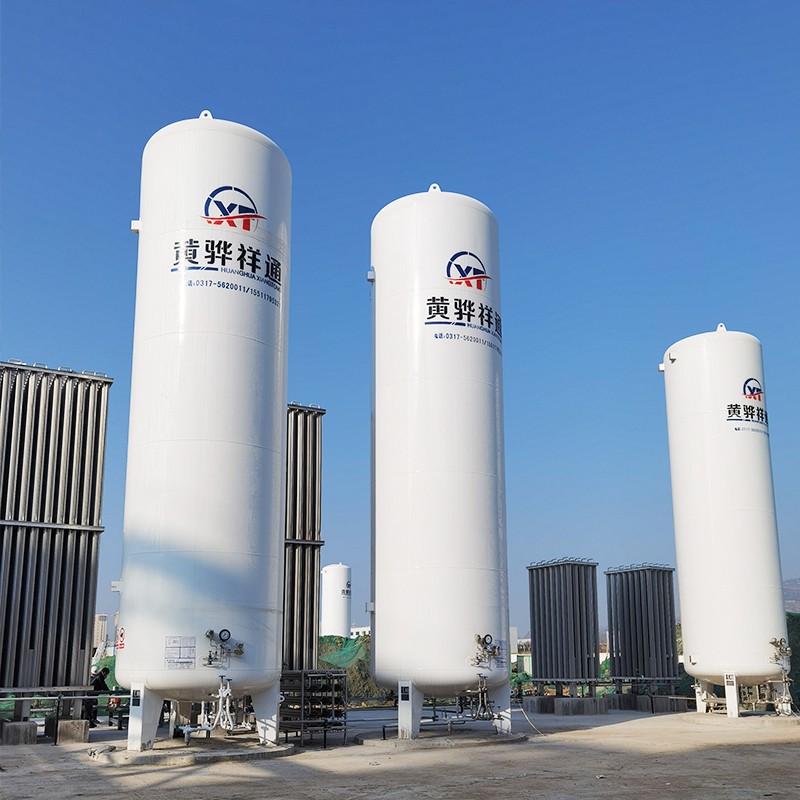
LNG Tanker Trucks and Semi-Trailers: Road Transport of Liquefied Natural Gas
LNG tanker trucks and semi-trailers for road transport of liquefied natural gas: how they are built, regulatory requirements, load capacity, and key specifications buyers should ver...
20
2026-09