








Vertical vs Horizontal Storage Tank Selection Guide: How to Choose the Right Configuration
Choosing the right storage tank configuration is one of the most consequential decisions in any industrial facility design. The orientation of a tank, whether vertical or horizontal, affects everything from footprint allocation and foundation requirements to fluid withdrawal efficiency and maintenance accessibility. For engineers and procurement managers working with pressure vessel manufacturers, understanding the practical trade-offs between these two configurations can prevent costly design revisions and operational bottlenecks down the road.
Understanding the Fundamental Differences
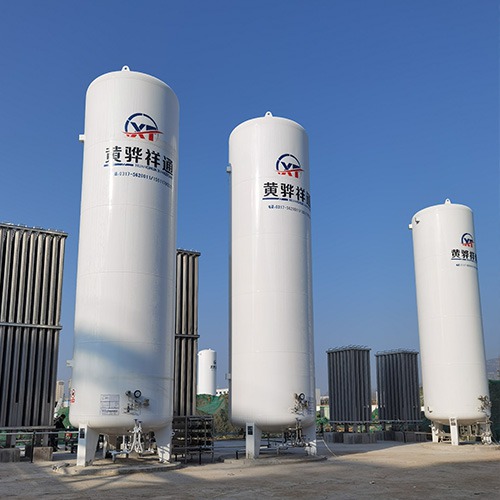
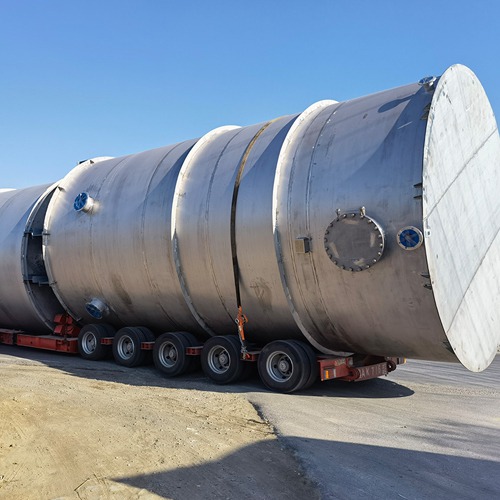
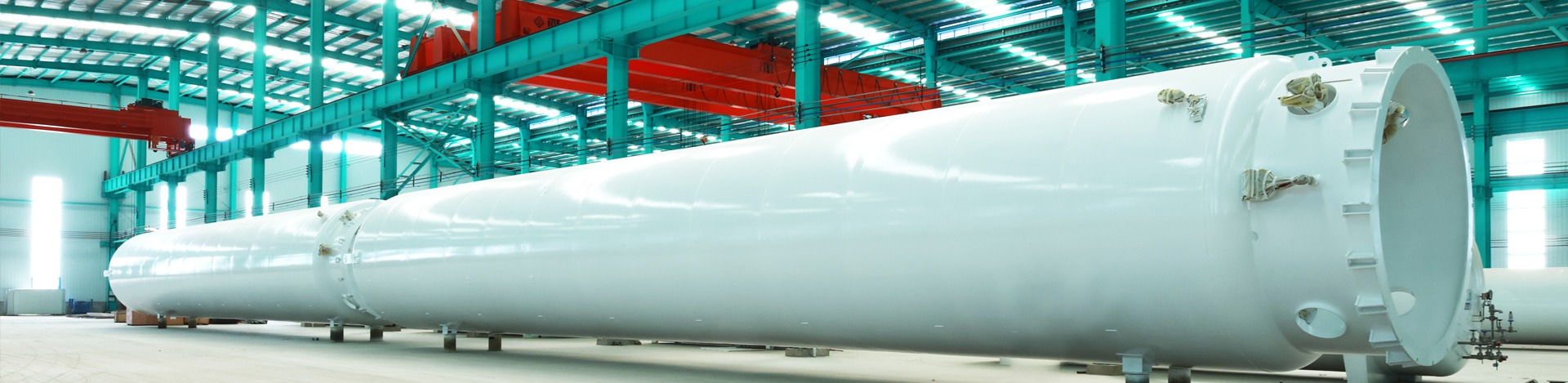
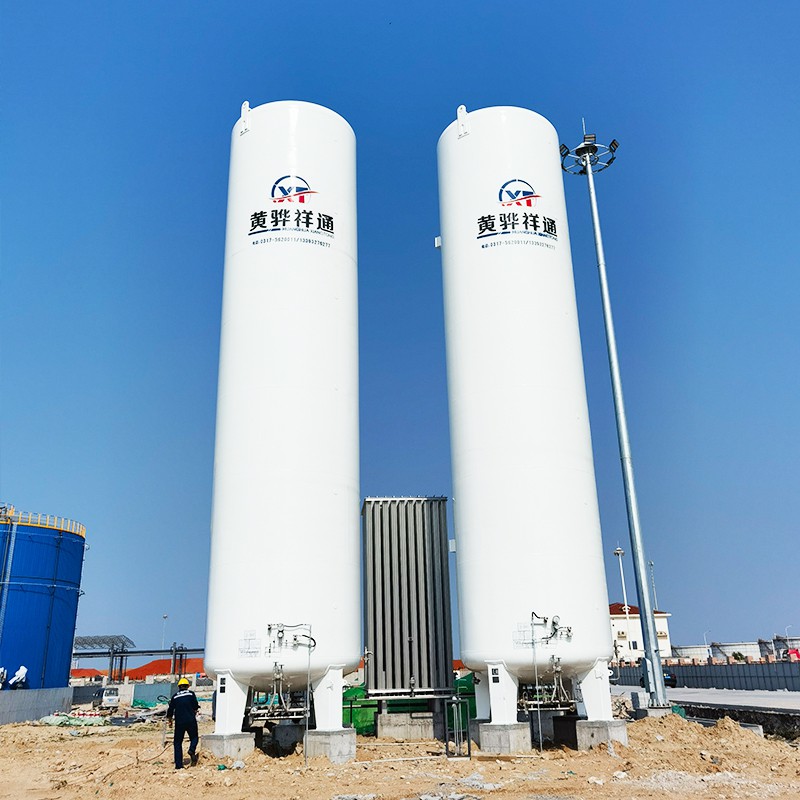
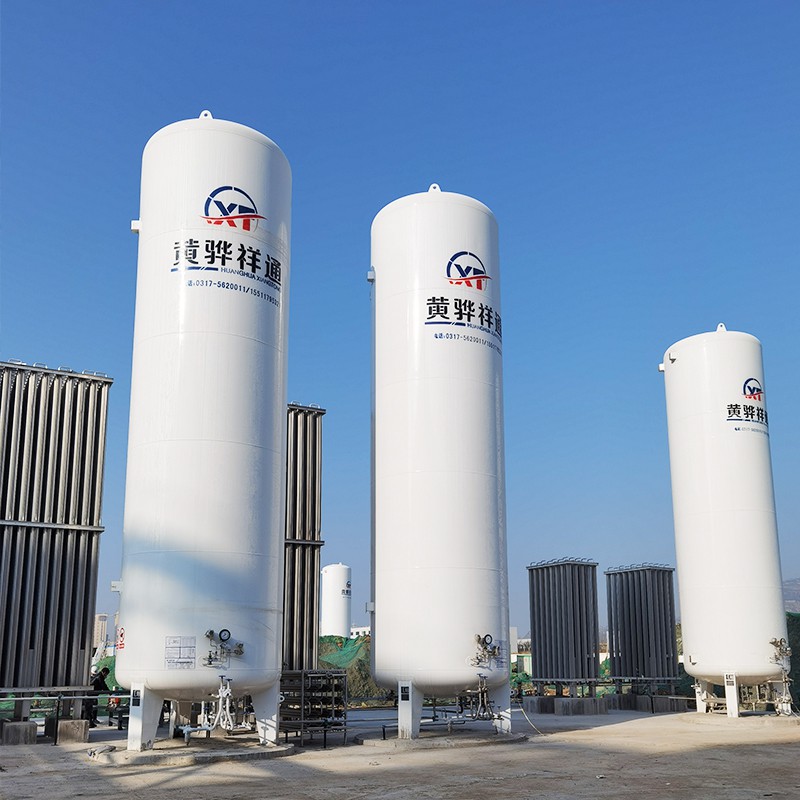
Vertical storage tanks stand upright on their base, with the major axis oriented perpendicular to the ground. Horizontal tanks, by contrast, rest on saddle supports with their axis running parallel to the floor. Neither orientation is inherently superior — the right choice depends almost entirely on the specific application, site constraints, and the properties of the stored medium. A cryogenic tank holding liquefied natural gas presents entirely different dynamics than a pressurized vessel storing industrial gases under moderate pressure, and these differences must guide the selection process from the earliest stages of project planning.
Space Efficiency and Site Layout Considerations
When floor space is at a premium, vertical tanks offer a clear advantage. Their small footprint allows them to be clustered together in battery arrangements, making efficient use of limited plant real estate. This makes vertical configurations particularly popular in refineries, chemical processing plants, and urban industrial zones where land costs are significant. Horizontal tanks, on the other hand, require substantially more floor area but contribute less height to a facility — an important factor in areas with overhead clearance restrictions or existing structures that limit vertical expansion. In many large-scale industrial gas facilities, the decision comes down to whether the project site can accommodate a taller structure or a wider one.
Structural and Foundation Requirements
The support structure demands differ markedly between the two orientations. Vertical tanks concentrate their mass over a relatively small base area, requiring robust concrete foundations capable of managing high point loads. Horizontal vessels distribute their weight across extended saddle supports, which typically demand wider but shallower foundations. From a manufacturing standpoint, the fabrication process also varies — vertical tanks generally involve more complex welding on circumferential seams at multiple heights, while horizontal tanks often feature longer longitudinal seams. A qualified pressure vessel factory will account for these differences during the design phase, ensuring compliance with ASME Boiler and Pressure Vessel Code requirements for the specific configuration chosen.
Draining, Mixing, and Operational Performance
Fluid dynamics play a surprisingly important role in the selection process. Vertical tanks promote better gravitational separation of phases and are generally easier to drain completely, making them well-suited for applications where residual volume matters or where stratified layers need to be managed. Horizontal tanks offer a larger liquid surface area relative to volume, which can benefit processes requiring rapid heat exchange or headspace vapor management. For cryogenic applications involving LNG or liquid nitrogen, vertical vacuum-insulated tanks are frequently preferred for their superior thermal stratification management, while horizontal designs often appear in mobile transportable storage systems.
Maintenance Access and Inspection Logistics
Maintenance accessibility represents another meaningful differentiator. Horizontal tanks allow technicians to walk along the length of the vessel for external inspection, and manways can be positioned at multiple points along the shell for convenient internal access. Vertical tanks typically concentrate access points at the top and bottom, which can complicate routine inspections in facilities with limited overhead lifting equipment. When planning preventive maintenance schedules, these logistical realities often tip the scales toward one configuration over the other, particularly in continuous-operation facilities where shutdown windows are tightly constrained.
Making the Final Decision
The most reliable approach to tank orientation selection begins with a thorough site survey, followed by a structured evaluation of all relevant factors: available footprint, height restrictions, fluid properties, drainage requirements, foundation conditions, and long-term maintenance strategy. Engaging early with an experienced pressure vessel manufacturer can surface considerations that might otherwise be overlooked. A reputable supplier will walk clients through material selection, wall thickness calculations per ASME Section VIII, insulation requirements for cryogenic service, and applicable local regulatory approvals — all of which influence whether a vertical or horizontal design delivers the best value over the lifecycle of the equipment.
References
ASME Boiler and Pressure Vessel Code, Section VIII, Division 1, 2023 Edition
API 620 Standard: Design and Construction of Large, Welded, Low-Pressure Storage Tanks, 14th Edition
API 650 Standard: Welded Tanks for Oil Storage, 13th Edition
NFPA 59A: Standard for the Production, Storage, and Handling of Liquefied Natural Gas (LNG), 2019 Edition
European Federation of Chemical Industries (CEFIC): Guidelines for Pressure Vessel Selection and Operation