








Vacuum Insulated Cryogenic Tank: Benefits and Working Principle
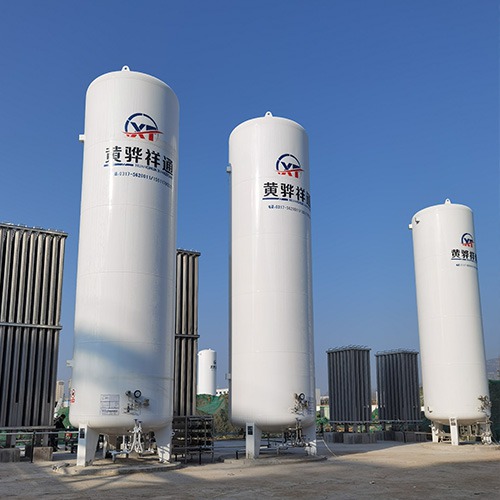
Storing liquefied gases at temperatures approaching absolute zero presents a formidable engineering challenge. Any heat that penetrates the tank walls causes the product to evaporate, increasing internal pressure and resulting in costly product loss. Vacuum insulated cryogenic tanks address this challenge with an elegant solution that has become the industry standard for low-temperature liquid storage. Understanding how these tanks work helps operators appreciate their value and make better decisions when sourcing equipment from a manufacturer.
The Science of Vacuum Insulation
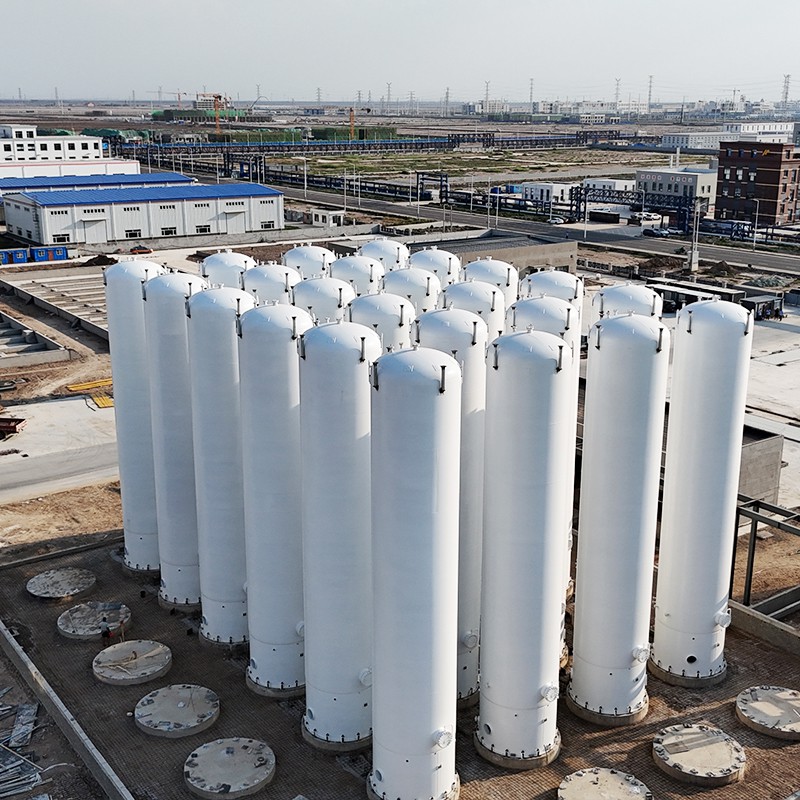
Heat transfers through three mechanisms: conduction, convection, and radiation. A vacuum insulated tank eliminates the first two by creating a vacuum in the annular space between the inner and outer vessels. With no gas molecules to conduct heat or circulate by convection, the only remaining pathway for thermal energy is radiation. To further reduce this component, manufacturers wrap the inner vessel with multiple layers of reflective aluminum foil separated by fiberglass or synthetic spacers. This combination of vacuum and radiant barriers achieves thermal conductivity values far lower than any conventional insulation material.
Double-Wall Construction Details
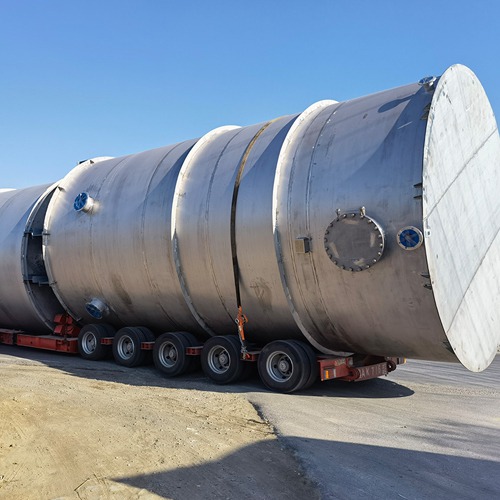
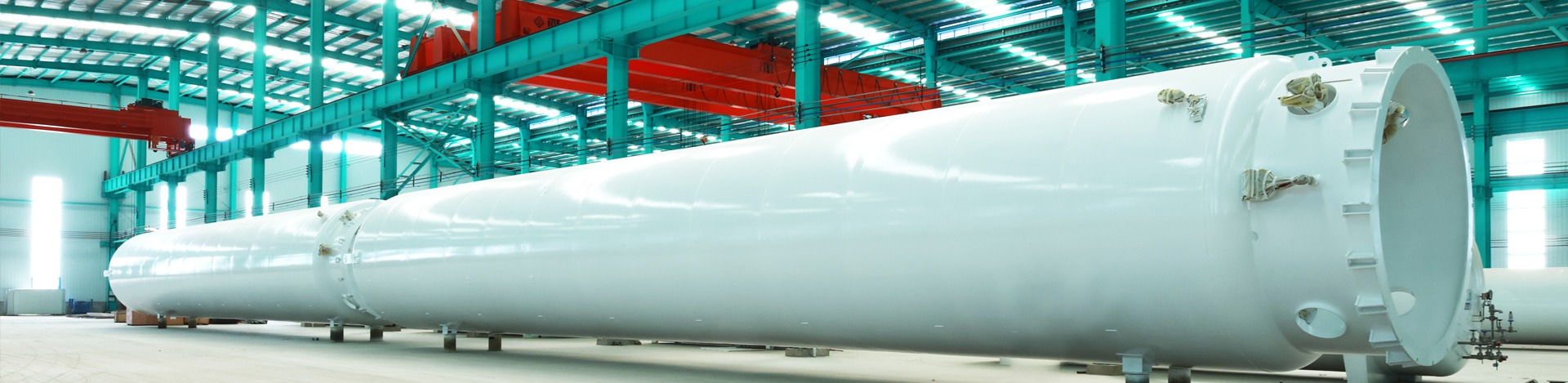
The inner vessel, which directly contacts the cryogenic liquid, is fabricated from materials suited to low-temperature service such as austenitic stainless steel or 9 percent nickel steel. The outer vessel serves as a protective shell and maintains the vacuum seal. It is typically constructed from carbon steel. The space between the two shells is evacuated to a pressure below 0.01 pascals, and getters—chemical substances that absorb residual gas molecules—are installed to maintain the vacuum over the life of the tank. A reputable factory performs helium mass spectrometer leak testing on every vessel to verify vacuum integrity before shipment.
Boil-Off Rate and Economic Impact
The boil-off rate is the primary metric for evaluating the thermal performance of a cryogenic tank. Well-designed vacuum insulated tanks achieve daily boil-off rates as low as 0.1 to 0.3 percent of the stored volume, depending on the tank size and the product stored. Over the operational lifetime of a tank, even a small reduction in boil-off translates into significant savings. A supplier that optimizes insulation design helps customers reduce operating costs while minimizing the environmental impact of vented gas.
Safety Advantages of Vacuum Insulation
Beyond thermal efficiency, vacuum insulation offers safety benefits. The outer shell provides secondary containment in the unlikely event of an inner vessel leak. Pressure and vacuum sensors in the annular space can detect a loss of vacuum or inner vessel breach, triggering alarms before the situation escalates. Additionally, the absence of external frost or ice formation reduces the risk of slip hazards around the tank and eliminates the need for weather shields that add cost and complexity.
Maintenance and Vacuum Monitoring
One concern buyers often raise is whether the vacuum will degrade over time. Modern vacuum insulated tanks are designed to maintain vacuum for 20 years or more under normal conditions. Regular monitoring of annular space pressure provides early warning of any deterioration. A responsible manufacturer includes vacuum monitoring ports and provides guidance on inspection intervals. If vacuum loss does occur, re-evacuation can be performed on-site without removing the tank from service in most cases.
Conclusion
Vacuum insulated cryogenic tanks represent the most effective solution for storing liquefied gases over extended periods. Their superior thermal performance, built-in secondary containment, and low maintenance requirements make them the preferred choice for LNG facilities, industrial gas plants, and research institutions. Selecting a manufacturer with deep expertise in vacuum insulation design ensures that the tank delivers the performance and longevity that the application demands.
References:
CGA P-28, Safe Practice Guide for Cryogenic Liquid Transfer
EIGA Doc 24, Design Considerations for Vacuum Insulated Cryogenic Storage Tanks
ASTM C740, Standard Practice for Evacuated Reflective Insulation in Cryogenic Service