








Stainless Steel vs Carbon Steel for Storage Tanks
The question of whether to build a storage tank from stainless steel or carbon steel comes up in virtually every industrial tank procurement project, and the answer is rarely straightforward. Both materials have earned their place in the storage tank industry through decades of proven service in demanding applications, but they occupy fundamentally different positions in the cost-performance spectrum. Making the right choice requires a clear-eyed assessment of the stored product chemistry, the operating environment, the required service life, and the total budget available for the project. An experienced storage tank manufacturer can walk you through this analysis, but understanding the underlying trade-offs yourself puts you in a much stronger position to make a sound decision.
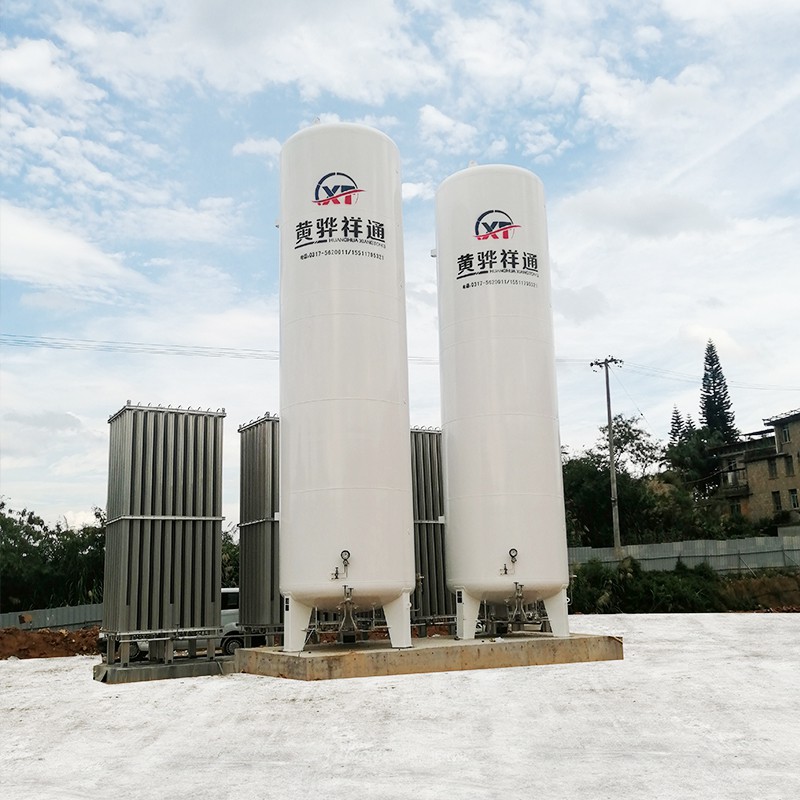
Corrosion Resistance: The Fundamental Differentiator
The single most significant advantage of stainless steel over carbon steel is its inherent corrosion resistance. Austenitic stainless steels such as 304 and 316 owe their corrosion resistance to a thin, self-healing chromium oxide film that forms spontaneously on the surface when exposed to oxygen. This passive film, typically only a few nanometers thick, provides excellent resistance to a wide range of corrosive media including many organic acids, alkaline solutions, and oxidizing environments. For applications involving the storage of chemicals, food-grade products, pharmaceutical intermediates, or deionized water, stainless steel is often the only acceptable material choice because any corrosion product contamination of the stored product would be unacceptable. Carbon steel, by contrast, corrodes readily in the presence of moisture, acids, and many chemical environments. In ordinary atmospheric service, carbon steel tanks require a protective coating system — typically a combination of surface preparation, primer, and topcoat — to prevent external corrosion. Internal corrosion protection may require additional coatings, linings, or cathodic protection systems, all of which add to both the initial cost and the ongoing maintenance burden.
Cost Comparison and Total Ownership
There is no getting around the fact that stainless steel costs substantially more than carbon steel, both in terms of raw material price and fabrication difficulty. Austenitic stainless steel plate typically costs three to five times more per kilogram than equivalent carbon steel plate, and the higher alloy content makes stainless steel more difficult to cut, form, and weld, which drives up fabrication labor costs. However, comparing raw material prices alone tells an incomplete story. When the total cost of ownership is calculated over the full design life of the tank — including initial fabrication, coating application, periodic inspection and maintenance, coating renewal, and eventual disposal or replacement — stainless steel often emerges as the more economical choice for applications where corrosion is a significant concern. A well-maintained carbon steel tank with a high-performance coating system might require coating renewal every five to ten years, at a cost of 30 to 50 percent of the original tank price each time. A stainless steel tank, by contrast, typically requires no coating at all, with maintenance limited to periodic inspection and cleaning. Over a 25 to 30 year service life, the total cost differential can narrow considerably or even reverse.
Structural and Mechanical Properties
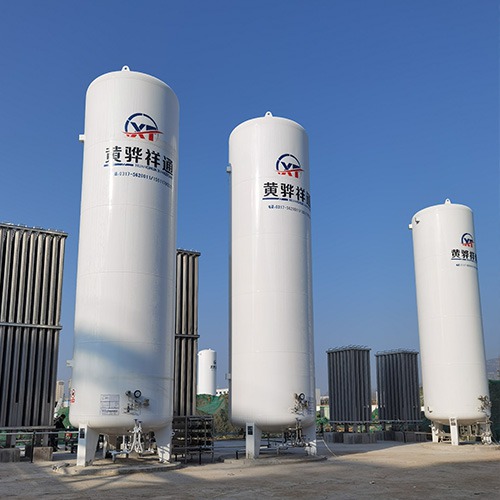
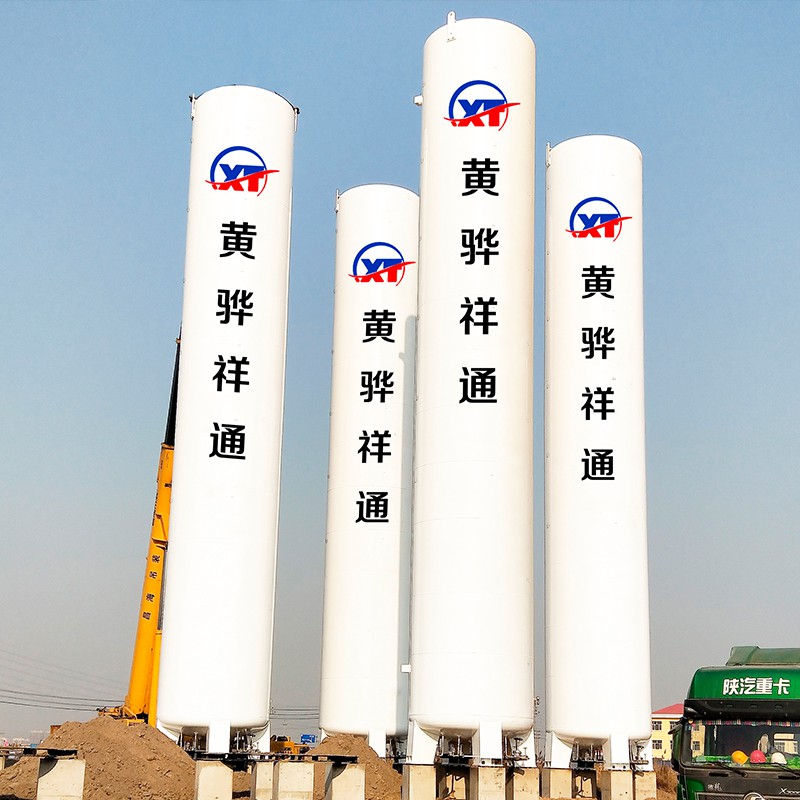
From a purely structural standpoint, carbon steel offers higher strength than austenitic stainless steel at equivalent thicknesses. A36 carbon steel has a minimum yield strength of 250 megapascals, while 304 stainless steel offers a minimum yield strength of around 205 megapascals. This means that for the same internal pressure and tank diameter, a carbon steel vessel can be slightly thinner than a stainless steel vessel, partially offsetting the higher material cost per unit weight. However, carbon steel loses toughness rapidly at low temperatures, becoming brittle below roughly minus 30 degrees Celsius, which disqualifies it from cryogenic service without special alloying. Stainless steel, with its face-centered cubic crystal structure, retains excellent toughness down to the temperature of liquid nitrogen and beyond, making it the default material choice for inner vessels in cryogenic storage tanks. For tanks operating at ambient temperatures in non-corrosive service, carbon steel is often the more rational structural choice, provided that appropriate corrosion protection measures are specified.
Application-Specific Considerations
The ideal material selection depends heavily on what will be stored in the tank and where the tank will be located. For water storage, fire protection tanks, and fuel oil storage in non-aggressive environments, carbon steel with a suitable coating system remains the industry standard and offers excellent value. For chemical storage tanks holding acids, caustics, or products with strict purity requirements, stainless steel is almost always the better choice despite its higher upfront cost. For cryogenic applications, stainless steel or nine percent nickel steel are the practical options, as ordinary carbon steel cannot withstand the thermal shock and brittle fracture risk at cryogenic temperatures. In coastal or marine environments, where salt spray creates an aggressive corrosion atmosphere, stainless steel offers significantly longer service life than even the best carbon steel coating systems. A tank supplier with experience across a range of applications and materials can help you navigate these nuances and avoid the common pitfall of over-engineering in one area while under-engineering in another.
Fabrication and Welding Differences
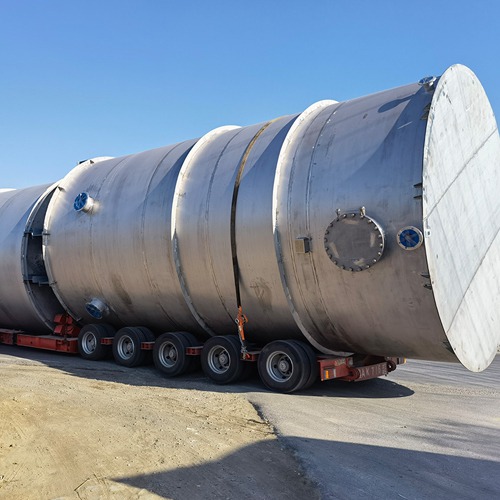
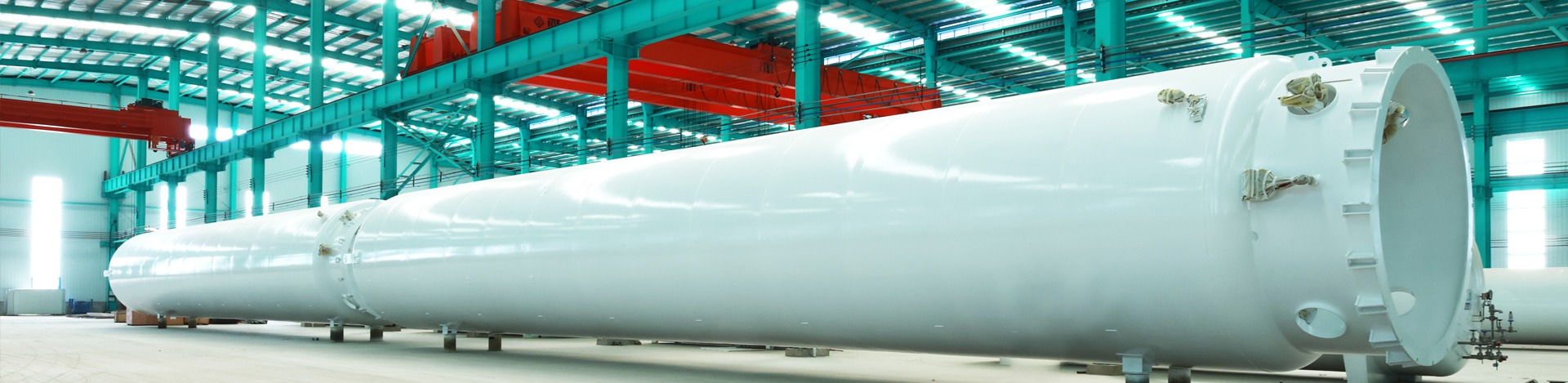
Fabricating tanks from stainless steel requires different techniques and precautions compared to carbon steel. Stainless steel is more susceptible to distortion during welding due to its lower thermal conductivity and higher coefficient of thermal expansion. Welders must use lower heat input, faster travel speeds, and often employ back-purging with argon gas to prevent oxidation of the weld root. Carbon steel fabrication is generally more forgiving, though it requires careful attention to preheat and post-weld heat treatment for thicker sections to prevent hydrogen-induced cracking. A factory that works regularly with both materials will have the appropriate welding procedures, filler metals, and quality controls in place for each, and will be able to advise on the most cost-effective fabrication approach for your specific requirements.
Conclusion
The choice between stainless steel and carbon steel for storage tank construction involves a complex interplay of corrosion resistance, structural performance, initial cost, and long-term maintenance requirements. Neither material is universally superior. Carbon steel offers lower upfront cost and higher strength for non-corrosive ambient-temperature applications, while stainless steel delivers superior corrosion resistance, cryogenic toughness, and reduced maintenance over the long term. A thorough analysis of the specific application requirements, conducted in partnership with an experienced storage tank manufacturer, provides the best basis for a sound material selection decision.
References
ASME Boiler and Pressure Vessel Code, Section VIII, Division 1, 2023 Edition
ASTM A240: Standard Specification for General Requirements for Flat-Rolled Stainless and Heat-Resisting Steel Plate, Sheet, and Strip
ASTM A36: Standard Specification for Carbon Structural Steel
API 650: Welded Tanks for Oil Storage, 13th Edition, 2020
Peckner, D. and Bernstein, I.M., Handbook of Stainless Steels, McGraw-Hill, 1977