








Pressure Storage Tank Systems: Key Features, Benefits, and Safety Guidelines for Industrial Use
Pressure storage tank systems are indispensable equipment in numerous industrial processes where gases or liquids need to be stored and maintained under controlled pressure conditions. These systems are extensively utilized in manufacturing, chemical processing, energy generation, water treatment, and other heavy industries. By sustaining stable pressure environments, these tanks contribute to ensuring operational efficiency, safety, and consistent product quality.
_storage_tank.jpg)
What Is a Pressure Storage Tank System?
A pressure storage tank system is a sealed container engineered to store liquids or gases at a pressure significantly different from the ambient atmosphere. Unlike conventional storage tanks, these systems are designed to safely withstand internal pressure without undergoing deformation or developing leaks. They are usually constructed from high-strength materials such as carbon steel, stainless steel, or alloy materials, with the specific choice depending on the intended application.
Key Features of Pressure Storage Tank Systems
Pressure storage tanks are designed with advanced engineering techniques to ensure durability and safe operation under challenging working conditions.
1. High-Strength Construction
These tanks are built using reinforced materials capable of withstanding high internal pressure without structural breakdown.
2. Sealed and Leak-Proof Design
A fully sealed system prevents the leakage of gases or liquids, ensuring safe containment and minimizing environmental risks.
3. Pressure Control Mechanisms
Most systems are equipped with valves, regulators, and monitoring devices to maintain stable internal pressure levels.
4. Corrosion Resistance
Protective coatings or stainless steel materials are employed to prevent corrosion caused by chemicals or moisture exposure.
5. Safety Accessories
Safety valves, pressure gauges, and emergency relief systems are standard components incorporated to ensure operational safety.
Types of Pressure Storage Tanks
Different industries have distinct requirements for pressure storage solutions, leading to various tank types:
1. Gas Pressure Storage Tanks
Used for storing compressed gases like oxygen, nitrogen, hydrogen, or natural gas.
2. Liquid Pressure Storage Tanks
Designed for liquids that require storage under pressure, including chemicals, fuels, or industrial fluids.
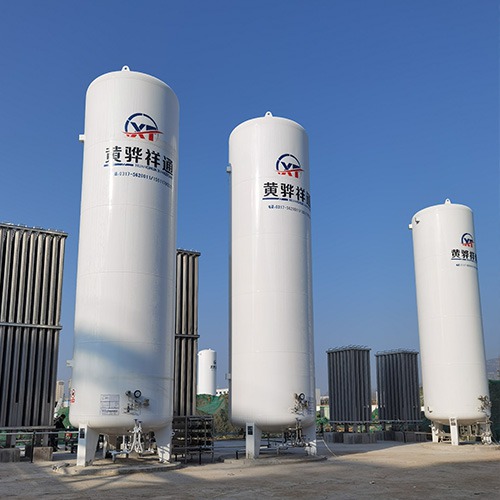
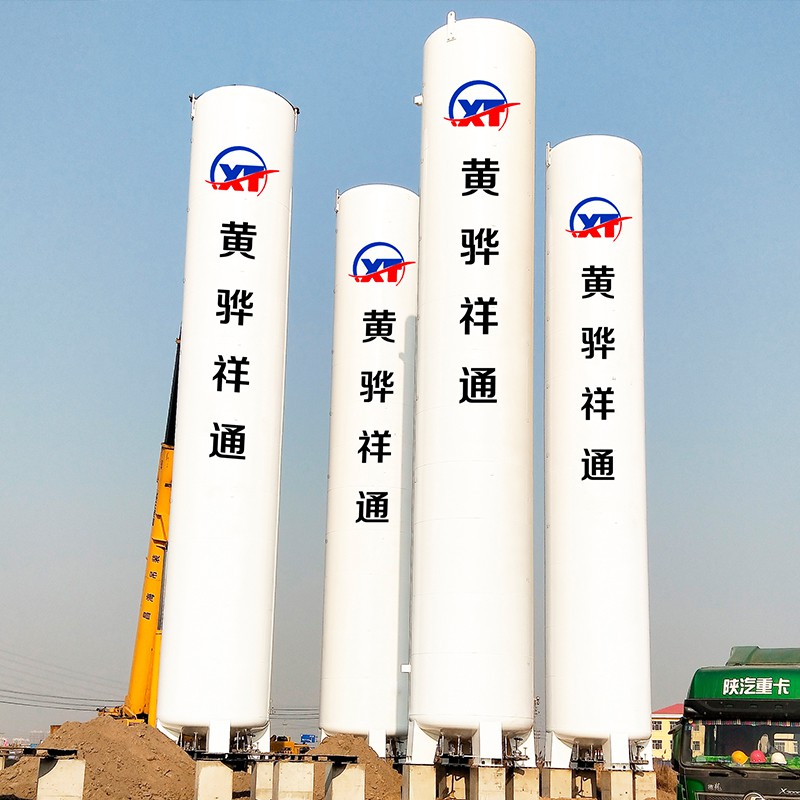
3. Vertical Pressure Tanks
Commonly used in industrial facilities where space efficiency and stable pressure distribution are priorities.
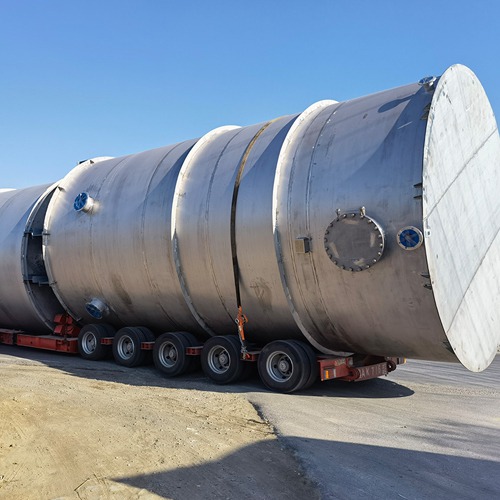
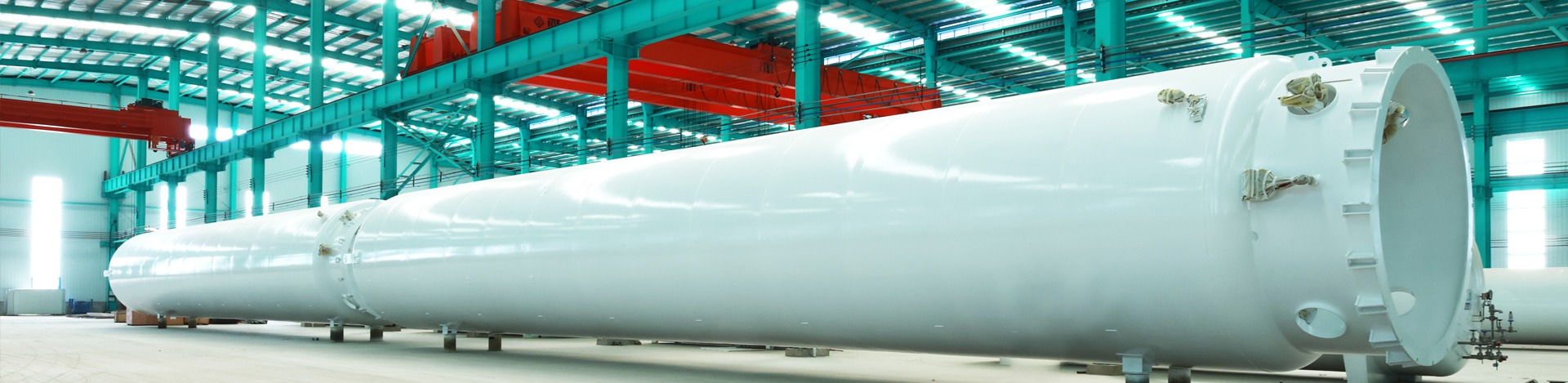
4. Horizontal Pressure Tanks
Frequently utilized in transportation systems or locations with height restrictions.
5. Custom-Engineered Pressure Tanks
Specialized tanks designed to meet unique industrial needs or operate under extreme conditions.
Industrial Applications
Pressure storage tank systems find widespread use across a variety of industries:
Chemical Industry
Employed for storing and processing reactive chemicals under controlled pressure conditions.
Oil and Gas Industry
Essential for storing natural gas, liquefied gases, and petroleum byproducts.
Water Treatment Plants
Used in pressurized filtration and water distribution systems.
Food and Beverage Industry
Applied in fermentation, carbonation, and sterile storage processes.
Manufacturing Industry
Supports pneumatic systems and the storage of compressed air for machinery operation.
Benefits of Pressure Storage Tank Systems
1. Improved Operational Efficiency
Stable pressure storage guarantees consistent flow and supply in industrial systems.
2. Enhanced Safety
Engineered safety features reduce the risks of explosion, leakage, or system malfunction.
3. Long Service Life
High-quality materials and protective coatings extend the equipment’s lifespan even in harsh operating environments.
4. Versatile Applications
Suitable for storing gases, liquids, and supporting various industrial processes.
5. Cost-Effective Operation
Efficient storage reduces energy waste and long-term maintenance costs.
Safety Guidelines for Pressure Storage Tanks
Given that these systems operate under high pressure, safety is a paramount concern.
1. Regular Inspection and Maintenance
Routine checks help detect corrosion, cracks, or pressure abnormalities at an early stage.
2. Proper Installation
Tanks must be installed in accordance with engineering standards and manufacturer guidelines.
3. Pressure Monitoring
Continuous monitoring ensures the system operates within safe pressure limits.
4. Use of Safety Valves
Pressure relief valves are crucial for preventing accidents caused by over-pressurization.
5. Operator Training
Personnel should receive training in safe handling, emergency response, and system operation.
How to Choose the Right Pressure Storage Tank System
When selecting a pressure tank system, consider the following key factors:
Type of material to be stored (gas or liquid)
Required pressure level and storage capacity
Environmental conditions of the installation site
Industry safety standards and relevant certifications
Maintenance and operational costs
Choosing the appropriate system ensures safe operation and long-term reliability.
Conclusion
Pressure storage tank systems are vital components of modern industrial infrastructure. Their ability to safely store and control pressurized substances makes them indispensable in industries ranging from chemical processing to energy production. By selecting the right design and adhering to strict safety practices, businesses can achieve efficient, safe, and reliable operations for years to come.
References
GB/T 7714: Pressure Storage Tank Systems: Design and Industrial Applications. Journal of Industrial Equipment
MLA: Material Selection for Pressure Storage Tanks in Harsh Industrial Environments. Journal of Industrial Materials
APA:Selection Criteria for Pressure Storage Tank Systems in Chemical and Energy Industries. Journal of Industrial Engineering