








Optimal Storage Conditions for Industrial LOX Tanks
The Importance of Proper Liquid Oxygen Storage Tanks Conditions
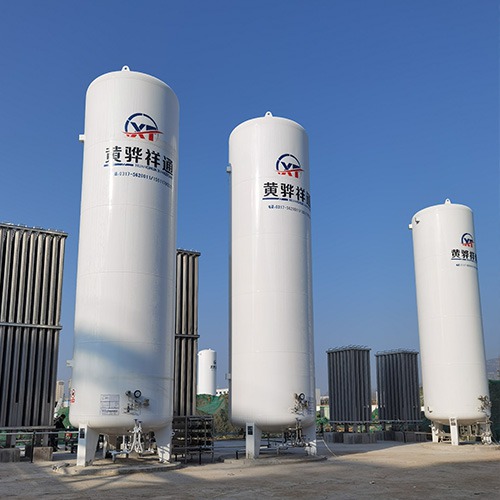
Liquid Oxygen Storage Tanks are specialized cryogenic vessels designed to store oxygen at extremely low temperatures (approximately -183°C) and under controlled pressure. Industrial applications such as medical oxygen supply, aerospace propulsion systems, metal fabrication, and chemical manufacturing depend on reliable LOX storage systems for consistent performance and safety.
Ensuring optimal storage conditions is essential not only for operational efficiency but also for safety, compliance with regulatory standards, and cost control throughout the equipment’s lifecycle. From tank insulation to pressure regulation, this article explores best practices for storing liquid oxygen and highlights how top-tier manufacturers with factory production and bulk supply capabilities design and deliver superior LOX storage solutions.
1. Understanding Liquid Oxygen and Its Storage Challenges
Liquid oxygen (LOX) is a cryogenic liquid with high oxidizing potential. Its storage requires specialized equipment that can maintain:
·Extremely low temperatures
·Stable internal pressure
·Controlled boil-off rates
·Minimal heat transfer
Improper conditions can lead to increased vaporization (boil-off), pressure spikes, material embrittlement, and unforeseen safety hazards. Therefore, both the design and operational control of LOX storage tanks are critical.
2. Cryogenic Temperature Management
Maintain Ultra-Low Temperatures
LOX must remain below its boiling point of −183°C (90 K) to stay in liquid form. To achieve this, LOX tanks are equipped with advanced vacuum insulation systems and multi-layered reflective shields that minimize heat transfer from the surroundings.
Best practices for temperature control include:
·Vacuum insulation monitoring
·Regular inspection of insulation layers
·Controlled ambient temperature in storage facilities
·Use of efficient boil-off gas handling systems
Reliable liquid oxygen storage tanks designed by established manufacturers in controlled factory production environments ensure consistent insulation performance and reduce long-term thermal losses.
3. Pressure Regulation and Safety Protocols
Managing Internal Tank Pressure
Even in well-insulated tanks, some heat ingress is inevitable, leading to vaporization and gas buildup. To prevent over-pressure scenarios:
·Pressure build-up is relieved through relief valves and vents
·Automatic pressure monitoring systems are installed
·Boil-off gas is collected and managed or reliquefied
Modern pressure control systems ensure that LOX storage tanks maintain safe pressure levels and prevent unsafe economic losses due to excessive boil-off.
4. Materials and Construction Standards
Cryogenic-Grade Materials
The materials used in LOX storage tanks must remain stable and ductile at extremely low temperatures. Standard cryogenic materials include:
·Austenitic stainless steels
·Aluminum alloys
·Nickel-based superalloys
These materials resist brittleness and maintain structural integrity in repeated temperature cycling.
In addition, advanced manufacturing techniques, such as precision welding and quality assurance testing in the factory production line, play a vital role in ensuring long-term durability of liquid oxygen storage tanks.
5. Site Selection and Environmental Controls
Choosing the Right Location
External environmental factors influence storage conditions. Industry best practices recommend:
·Sheltered or climate-controlled storage areas
·Minimal thermal exposure from sunlight or direct heat
·Well-ventilated spaces to disperse boil-off gases safely
·Accessibility for maintenance crews
Targeted environmental controls reduce thermal stresses on the tank and improve overall reliability.
6. Boil-Off Gas Management
Efficient Handling of Vaporization
Boil-off gas (BOG) is a natural result of heat ingress. Effective BOG management reduces wasted product and maintains a stable environment. Strategies include:
·Relieving and venting BOG safely
·Capturing BOG for reinjection or reuse
·Using burners for controlled combustion of excess gas
Efficient BOG systems are integrated into modern LOX storage tank designs to minimize product loss and optimize energy balance.
7. Regular Inspection and Preventive Maintenance
Scheduled Monitoring and Maintenance
Regular inspection routines help detect early signs of issues such as insulation degradation, pressure valve wear, or structural anomalies. Best practice maintenance measures include:
·Ultrasonic testing of weld seams
·Visual inspection of insulation integrity
·Sensor calibration for pressure and temperature readings
Following a preventive maintenance schedule enhances the operational life of liquid oxygen storage tanks and prevents costly downtime.
8. Training and Safety Culture
Operational Readiness
Storage personnel must be trained in handling cryogenic systems and emergency response procedures. Safety training should cover:
·Proper valve operation
·Leak detection protocols
·Emergency pressure relief steps
·Personal protective equipment usage
A strong safety culture ensures that human factors do not compromise optimal LOX tank storage conditions.
9. Regulatory Standards and Compliance
Meeting Industry Regulations
Liquid oxygen storage systems must comply with national and international standards related to:
·Pressure vessel codes
·Cryogenic storage guidelines
·Environmental safety regulations
·Fire and explosion risk controls
Compliance ensures legal operation and reinforces trust in the performance of liquid oxygen storage tanks sourced from reputable manufacturers and delivered through robust production and supply channels.
10. Future Trends in LOX Storage Technology
Innovations Shaping the Future
Emerging technologies are improving LOX storage efficiency and safety:
·Enhanced insulation materials
·Digital monitoring with IoT sensors
·Predictive maintenance using AI analytics
·Modular storage solutions
Manufacturers adopting these innovations in their production and factory supply chain will continue to lead in offering cutting-edge LOX storage systems.
Conclusion: Best Practices for Maintaining Optimal Conditions
Ensuring optimal storage conditions for Liquid Oxygen Storage Tanks is a combination of:
·Advanced cryogenic insulation
·Controlled pressure and boil-off gas systems
·Cryogenic-grade construction materials
·Strategic site planning and preventive maintenance
·Strong operational safety culture and regulatory compliance
Selecting high-quality tanks from trusted manufacturers with reliable production processes and factory supply capability improves long-term performance and safety while minimizing operational losses. With proper design, operation, and maintenance, industrial LOX storage systems can support critical applications efficiently and safely.
References
GB/T 7714:Nitin B, Sandilya P, Chakraborty G. Revisiting the dewar design for liquid oxygen storage in fuel cell energy systems[J]. International Communications in Heat and Mass Transfer, 2022, 134: 105975.
MLA:Nitin, B., Pavitra Sandilya, and Goutam Chakraborty. "Revisiting the dewar design for liquid oxygen storage in fuel cell energy systems." International Communications in Heat and Mass Transfer 134 (2022): 105975.
APA:Nitin, B., Sandilya, P., & Chakraborty, G. (2022). Revisiting the dewar design for liquid oxygen storage in fuel cell energy systems. International Communications in Heat and Mass Transfer, 134, 105975.