








Maintenance and Inspection of High Capacity Storage Tanks
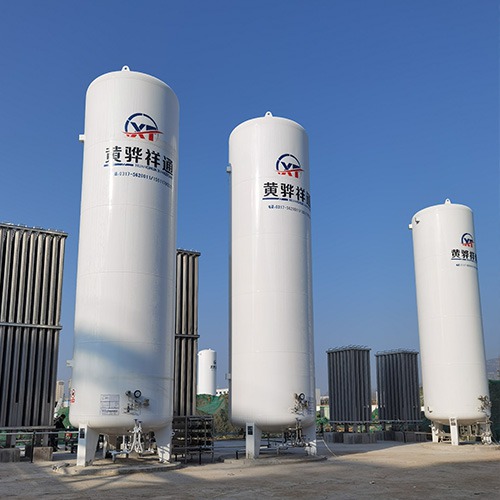
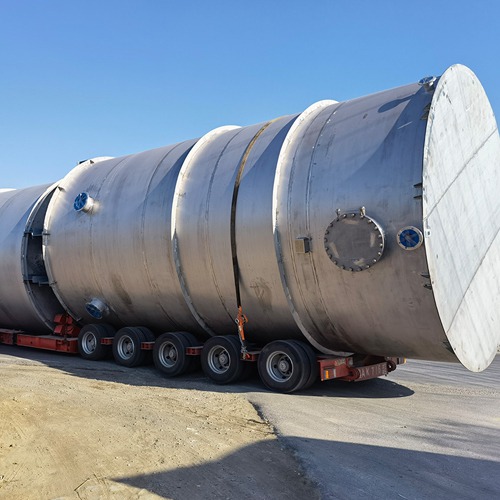
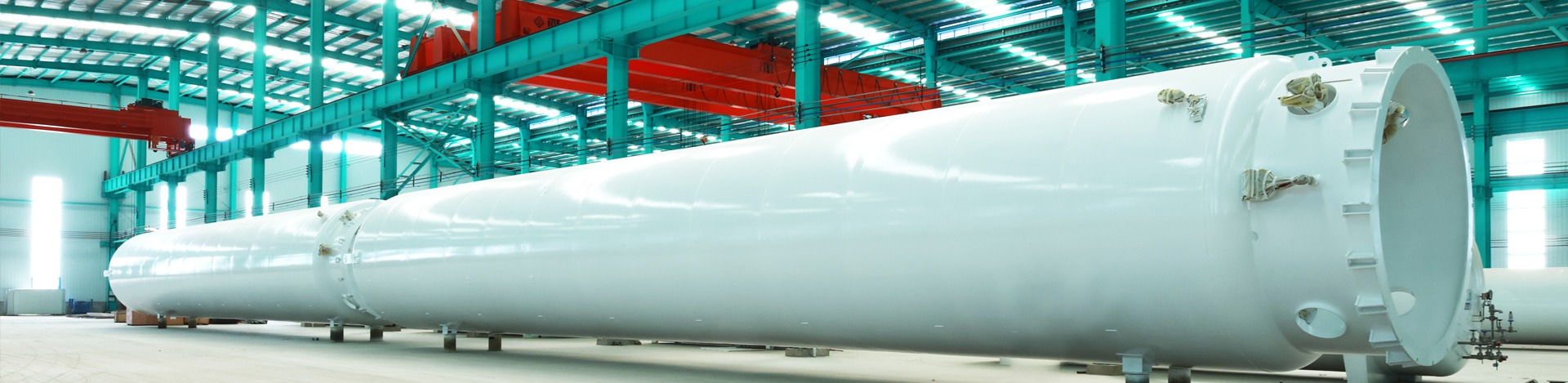
Large-volume storage tanks serve as vital infrastructure across key industries including oil and gas, chemical manufacturing, water treatment, and power generation. Given their role in holding massive quantities of liquids under fluctuating pressure and environmental conditions, regular maintenance and inspection are indispensable to guarantee operational safety, meet regulatory requirements, and sustain long-term performance. A well-designed inspection and maintenance scheme not only prevents equipment failures but also prolongs the service life of the assets and cuts down overall operational expenses.
_storage_tank.jpg)
1. The Significance of Maintenance for High Capacity Storage Tanks
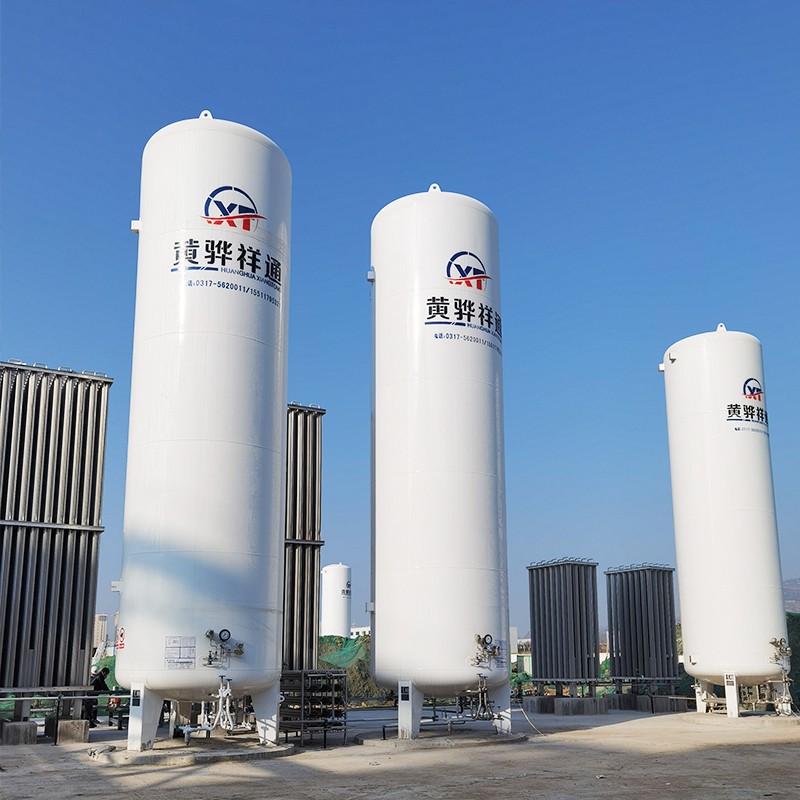
Maintenance of high capacity storage tanks is not a choice but a fundamental operational necessity. These tanks frequently store hazardous, flammable, or environmentally vulnerable substances. Any structural breakdown can result in serious safety accidents, environmental contamination, and substantial financial losses. Over time, factors like corrosion, material fatigue, temperature changes, and chemical exposure gradually impair the integrity of the tanks. Routine maintenance enables the early identification of potential problems, helping operators avoid unplanned shutdowns or catastrophic malfunctions.
2. Key Inspection Standards and Industrial Regulations
The inspection of storage tanks is usually governed by internationally accepted standards such as API 653, which outlines requirements for the inspection, repair, modification, and reconstruction of aboveground storage tanks. Other supplementary standards include ASME codes and EEMUA guidelines, which offer additional suggestions for structural integrity and safety management. These standards specify inspection frequencies, evaluation techniques, and acceptance criteria to ensure consistent safety performance across various industries. Compliance with these regulations is often a mandatory requirement for obtaining operational licenses, especially in oil, gas, and chemical facilities.
3. Categories of Tank Inspections
A thorough inspection program for high capacity storage tanks typically consists of several levels:
External Inspection
This focuses on visible components such as the tank shell condition, protective coatings, nozzles, and support structures. It helps detect corrosion, leaks, or mechanical damage without disrupting normal operations.
Internal Inspection
Carried out during shutdown periods, this inspection examines the internal surfaces, floor plates, and weld seams. It is crucial for identifying pitting corrosion, sludge buildup, and coating deterioration.
Thickness Measurement Inspection (UT Testing)
Ultrasonic testing is widely employed to measure wall thickness and detect localized thinning caused by corrosion or erosion.
Foundation Inspection
This checks for settlement, cracking, or uneven loading that could compromise tank stability and alignment.
4. Common Problems Detected in High Capacity Storage Tanks
During inspections, several recurring issues are often found: Corrosion is the most prevalent problem, particularly at the tank bottom where water and sediment accumulate. Pitting corrosion and general wall thinning are also common in chemical and oil storage applications. Weld defects such as cracking or incomplete fusion may develop over time due to stress cycles. Additionally, coating failure can expose metal surfaces to harsh environments, speeding up degradation. Foundation settlement is another critical issue that can lead to structural imbalance and increased stress on the tank walls.
5. Preventive Maintenance Strategies
Preventive maintenance aims to reduce the probability of failures before they happen. This includes regular cleaning, coating repair, checks on cathodic protection systems, and maintenance of drainage systems. Proper coating systems, such as epoxy or polyurethane linings, should be inspected and repaired at regular intervals to maintain their corrosion resistance. Cathodic protection systems must also be monitored to ensure that adequate protection potential is maintained. Scheduled maintenance plans based on operating conditions and risk assessments are much more effective than reactive repairs.
6. Predictive Maintenance and Digital Monitoring
Modern industries are increasingly adopting predictive maintenance strategies supported by digital technologies. Sensors can continuously monitor temperature, pressure, corrosion rate, and structural stress in real time. Data collected from these systems is analyzed to predict potential failures before they occur. This approach significantly reduces downtime and enhances asset management efficiency. Digital twin technology is also being utilized to simulate tank behavior under different operating conditions, enabling engineers to optimize maintenance schedules more precisely.
7. Safety Considerations During Inspection and Maintenance
Safety is a crucial aspect of any tank maintenance activity. Before inspection, tanks must be properly isolated, cleaned, and ventilated to remove hazardous vapors. Confined space entry procedures are strictly required for internal inspections, including gas detection, personal protective equipment (PPE), and standby safety personnel. Strict compliance with safety protocols helps prevent accidents and ensures adherence to occupational health regulations.
8. Conclusion: Ensuring Long-Term Reliability Through Structured Maintenance
The maintenance and inspection of high capacity storage tanks are essential for ensuring safe, efficient, and reliable industrial operations. By combining standardized inspections, preventive maintenance, and modern monitoring technologies, operators can significantly reduce risks and extend the service life of equipment. As industrial demands continue to grow, adopting a proactive maintenance strategy is no longer merely a best practice—it is a necessity for operational safety and long-term cost efficiency.
References
GB/T 7714:Screening of Corrosion in Storage Tank Walls and Bottoms Using an Array of Guided Wave Magnetostrictive Transducers. Sensors
MLA:Predictive maintenance policy of storage tanks based on multi-source data. Oil & Gas Storage and Transportation
APA:Application of Digital Twin Technology in Storage Tank Operation and Maintenance Monitoring. Journal of Digital Industrialization