








Long-Term Maintenance Costs of LNG Storage Tanks
Why LNG Storage Tanks Matter for Long-Term Operations
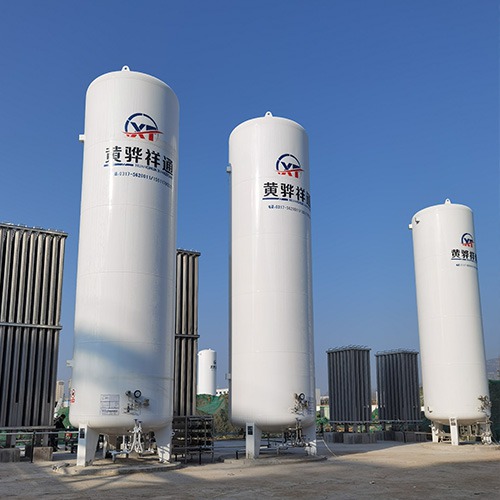
LNG Storage Tanks play a critical role in liquefied natural gas infrastructure, ensuring safe containment, temperature control, and stable supply for industrial, commercial, and energy applications. While initial investment often draws the most attention, long-term maintenance costs significantly influence the total lifecycle value of LNG storage systems.
From daily monitoring to major overhauls, the cost of maintaining LNG storage tanks can accumulate over decades. Understanding these expenses helps operators, project owners, and procurement teams make smarter decisions, especially when sourcing directly from a professional LNG storage tank manufacturer with factory production and bulk supply capability.
In this article, we break down the real drivers behind long-term LNG storage tank maintenance costs and how optimized production, material quality, and preventive strategies reduce financial risk.
Key Factors Influencing LNG Storage Tank Maintenance Costs
The maintenance cost of LNG storage tanks depends on multiple technical and operational elements. Below are the main contributors.
1. Inspection and Compliance Programs
Regular inspections are mandatory for LNG storage tanks due to cryogenic and safety requirements. These include:
·Visual structural checks
·Non-destructive testing (NDT)
·Weld integrity inspections
·Foundation and settlement monitoring
·Pressure and leak testing
Routine inspections help detect micro-cracks, deformation, or insulation failure early. Although inspections require annual budgets, they significantly reduce the risk of catastrophic failures that would lead to massive repair or replacement expenses.
Over time, consistent inspection programs lower total cost by extending the service life of LNG storage tanks.
2. Insulation System Maintenance
LNG storage tanks rely heavily on advanced insulation to maintain temperatures near -162°C. The insulation system prevents heat ingress and excessive boil-off gas (BOG).
Maintenance costs include:
·Vacuum layer monitoring
·Perlite or foam replacement
·Moisture intrusion repair
·Thermal performance recalibration
If insulation degrades, energy losses rise and safety risks increase. High-quality insulation designed during factory-scale LNG storage tank production reduces long-term operating costs by maintaining thermal efficiency for decades.
3. Corrosion Protection and Surface Treatment
Despite cryogenic operation, external surfaces of LNG storage tanks face environmental corrosion from humidity, salt air, industrial chemicals, and UV exposure.
Long-term corrosion management involves:
·Anti-corrosion coatings
·Cathodic protection systems
·Periodic repainting
·Structural steel renewal
Investing in premium materials during manufacturing lowers the frequency of corrosion repairs. A reliable LNG storage tank factory production process ensures uniform coating thickness and quality control, reducing lifetime maintenance expenditure.
4. Mechanical and Safety System Servicing
Modern LNG storage tanks integrate safety and control systems, including:
·Pressure relief valves
·Level measurement instruments
·Temperature sensors
·Emergency shutdown systems
·Boil-off gas handling equipment
Maintenance requires calibration, replacement of seals, sensor testing, and system upgrades. These recurring costs protect operators from shutdowns and regulatory penalties.
When LNG storage tanks are manufactured with standardized components and batch production consistency, spare parts and servicing become faster and more cost-effective over time.
5. Cleaning and Internal Tank Access
Internal cleaning is necessary for:
·Removing contaminants
·Inspecting inner liners
·Verifying weld seams
·Maintaining LNG purity
This process includes:
·Tank warm-up
·Gas removal
·Manual or robotic cleaning
·Re-cooling operations
While internal maintenance is not frequent, it is one of the most expensive stages. Proper manufacturing tolerances and clean factory production environments significantly reduce how often deep internal servicing is required.
Lifecycle Cost Analysis of LNG Storage Tanks
Rather than focusing only on upfront purchase price, operators should evaluate Total Cost of Ownership (TCO) for LNG storage tanks.
Typical lifecycle cost categories include:
·Initial manufacturing and installation
·Annual inspection and compliance
·Energy loss from insulation degradation
·Corrosion and surface repair
·Safety system upgrades
·Decommissioning preparation
High-quality LNG storage tanks produced by professional manufacturers often show lower long-term cost curves, even if initial investment appears higher. Factory-controlled production ensures structural consistency, which minimizes unpredictable repair costs over 20–30 years of service life.
How Manufacturer Production Quality Reduces Maintenance Costs
Choosing a trusted LNG Storage Tanks manufacturer with scalable factory production and bulk supply capability directly impacts maintenance economics.
Key production advantages include:
·Automated welding accuracy
·Consistent insulation installation
·Controlled coating application
·Batch quality inspection
·Modular spare parts compatibility
Factory-produced LNG storage tanks experience fewer early-stage defects, which lowers maintenance frequency during operation. Bulk manufacturing also enables standardized maintenance planning, saving time and labor cost for operators managing multiple tanks.
Preventive Maintenance Strategies for LNG Storage Tanks
Proactive management is essential for cost control. Best practices include:
·Digital monitoring of temperature and pressure
·Scheduled predictive inspections
·Corrosion mapping programs
·Insulation performance audits
·Spare parts lifecycle planning
Preventive maintenance costs are predictable and manageable compared to emergency repairs. Smart operators integrate maintenance planning into LNG storage tank procurement and production selection stages.
Future Trends Impacting LNG Storage Tank Maintenance
New technologies continue to reduce maintenance expenses for LNG storage tanks:
·AI-based inspection drones
·Smart sensor networks
·Self-healing coatings
·Improved composite insulation
·Remote monitoring platforms
These innovations, combined with advanced factory production processes, further decrease the long-term operational burden of LNG storage tanks.
Conclusion: Controlling Long-Term Costs of LNG Storage Tanks
Understanding the long-term maintenance costs of LNG Storage Tanks is essential for sustainable LNG infrastructure development. From insulation integrity and corrosion protection to safety system servicing and inspection compliance, each factor contributes to total ownership cost.
By sourcing LNG storage tanks from professional manufacturers with large-scale factory production and bulk supply capability, operators gain higher quality, standardized systems, and reduced maintenance risk over the lifecycle.
Ultimately, well-designed and properly produced LNG Storage Tanks not only ensure safety and performance, but also deliver long-term economic value for industrial and energy applications worldwide.
References
GB/T 7714:Pellegrini L A, Moioli S, Brignoli F, et al. LNG technology: The weathering in above-ground storage tanks[J]. Industrial & Engineering Chemistry Research, 2014, 53(10): 3931-3937.
MLA:Pellegrini, Laura A., et al. "LNG technology: The weathering in above-ground storage tanks." Industrial & Engineering Chemistry Research 53.10 (2014): 3931-3937.
APA:Pellegrini, L. A., Moioli, S., Brignoli, F., & Bellini, C. (2014). LNG technology: The weathering in above-ground storage tanks. Industrial & Engineering Chemistry Research, 53(10), 3931-3937.