








LNG Storage Tank Design Considerations for Safe Operation
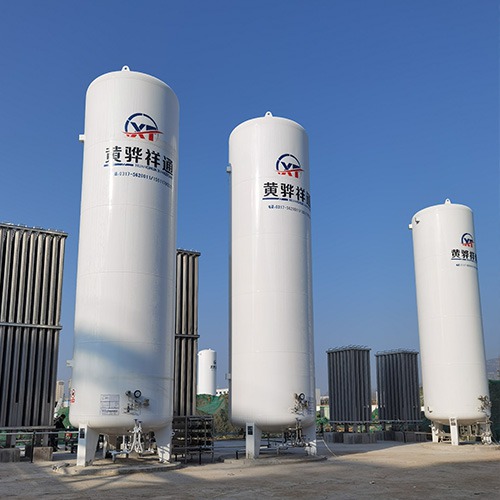
Liquefied natural gas must be stored at approximately -162 degrees Celsius to remain in its liquid state. This extreme requirement places enormous demands on the design of LNG storage tanks. Whether the tank serves an LNG refueling station, a municipal gas reserve, or an industrial gasification facility, the design must prioritize safety, efficiency, and durability. A knowledgeable manufacturer understands that each application brings unique challenges that shape the engineering decisions behind every vessel.
_storage_tank.jpg)
Thermal Insulation Systems
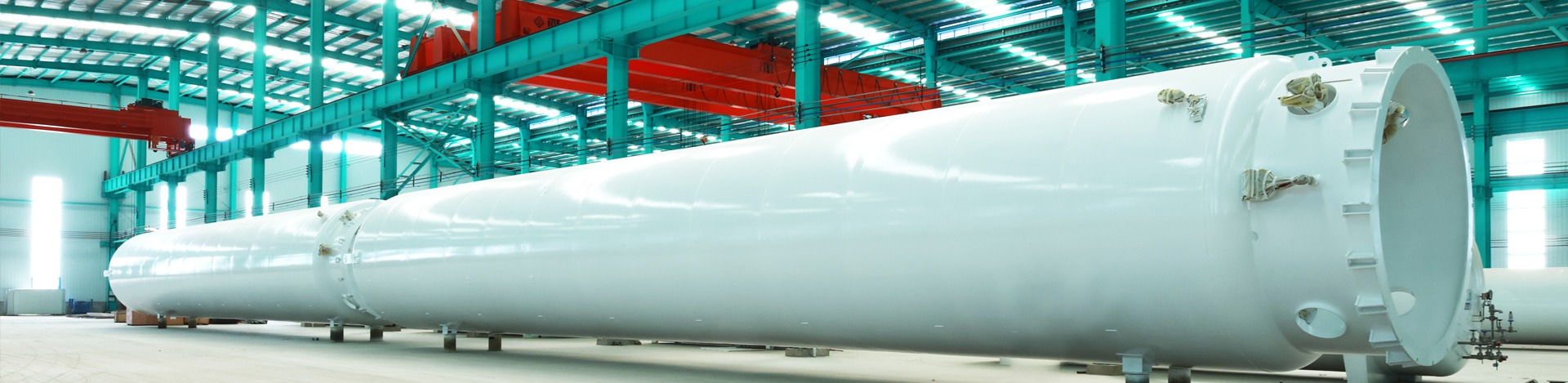
Effective insulation is arguably the most important design element of an LNG storage tank. Without it, heat ingress causes excessive boil-off, leading to product loss and increased pressure within the vessel. Manufacturers typically employ vacuum-insulated double-wall construction, where the annular space between the inner and outer shells is evacuated and filled with perlite or multi-layer insulation. This approach significantly reduces thermal conductivity and helps maintain the low temperature of the stored product over extended periods.
Pressure Relief and Boil-Off Gas Management
Even with high-quality insulation, some degree of boil-off is inevitable. Tanks must be equipped with properly sized pressure relief valves and vent systems to handle the resulting gas. The design calculates the maximum expected boil-off rate based on insulation performance, ambient conditions, and fill levels. Dual relief valves are standard practice, allowing one to be serviced while the other remains active. A reliable supplier will also integrate vapor recovery systems where appropriate, reducing emissions and reclaiming valuable product.
Structural Integrity Under Cryogenic Conditions
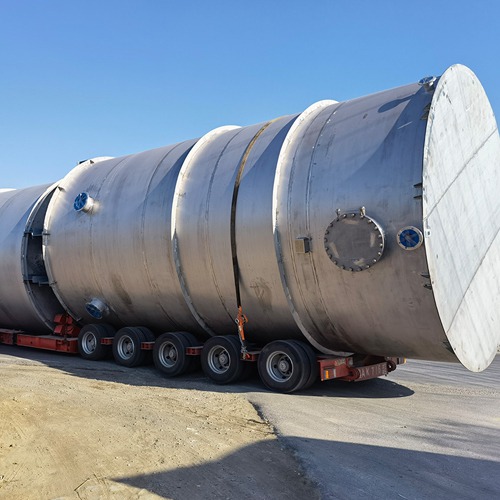
Materials used in LNG tank construction must maintain their mechanical properties at cryogenic temperatures. The 9 percent nickel steel commonly used for inner shells retains excellent toughness at -162 degrees Celsius and beyond. The outer shell, typically carbon steel, provides structural support and protection. Engineers account for thermal contraction during cooldown, ensuring that supports, nozzles, and piping connections accommodate differential movement without introducing excessive stress.
Foundation and Seismic Design
The weight of a fully loaded LNG tank is substantial. Foundations must be engineered to support this load while preventing frost heave, which occurs when heat from the ground migrates upward and freezes moisture in the soil beneath the tank. Elevated foundations with ventilation systems or heating elements are common solutions. In seismically active regions, the design incorporates base isolation or energy-dissipating devices to protect the tank during an earthquake.
Instrumentation and Monitoring
Modern LNG storage tanks include comprehensive instrumentation for level measurement, temperature profiling, and pressure monitoring. These systems provide real-time data to operators and can trigger alarms or automatic shutdowns when parameters exceed safe limits. A forward-thinking factory integrates smart monitoring solutions that support predictive maintenance, reducing the risk of unplanned downtime.
Conclusion
Designing an LNG storage tank is a multidisciplinary effort that combines thermal engineering, structural analysis, materials science, and safety systems. Working with an experienced manufacturer ensures that all these elements come together in a vessel that performs reliably under the most demanding conditions. Attention to detail during the design phase pays dividends in decades of safe operation.
References:
NFPA 59A, Standard for the Production, Storage, and Handling of Liquefied Natural Gas
EN 14620, Design and Manufacture of Site Built, Vertical, Cylindrical, Flat-Bottomed Steel Tanks for the Storage of Refrigerated, Liquefied Gases
BS 7777, Flat-Bottomed Vertical Cylindrical Storage Tanks for Low-Temperature Service