








Liquid Oxygen vs Liquid Nitrogen Tanks: What’s the Difference?
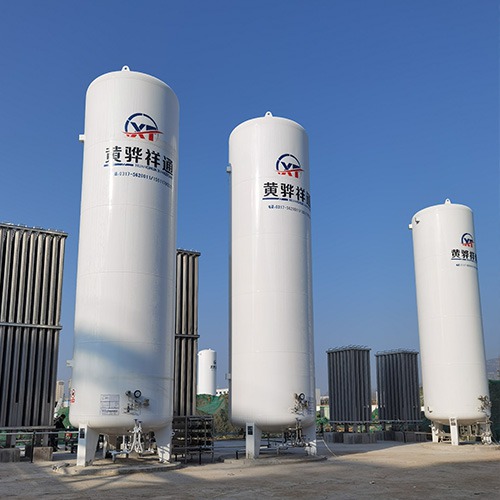
Liquid Oxygen Storage Tanks are essential components in industrial, medical, and energy systems where oxygen must be stored safely at extremely low temperatures. Alongside them, liquid nitrogen tanks are equally important in laboratories, food processing, and cryogenic engineering. Although both belong to the family of cryogenic vessels, their design requirements, safety features, and operating behaviors differ significantly.
Supported by professional Manufacturer-controlled Production and Factory-scale bulk supply, modern Liquid Oxygen Storage Tanks and nitrogen tanks are engineered for stability, efficiency, and safety. Understanding the differences helps engineers and buyers select the most suitable solution for their specific cryogenic applications.
Introduction to Cryogenic Storage Systems
Cryogenic storage systems keep gases in liquid form by maintaining extremely low temperatures. These tanks rely on vacuum insulation, multi-layer barriers, and precise pressure control to minimize heat ingress.
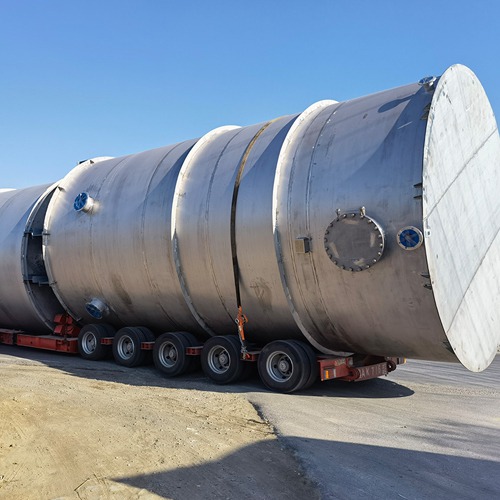
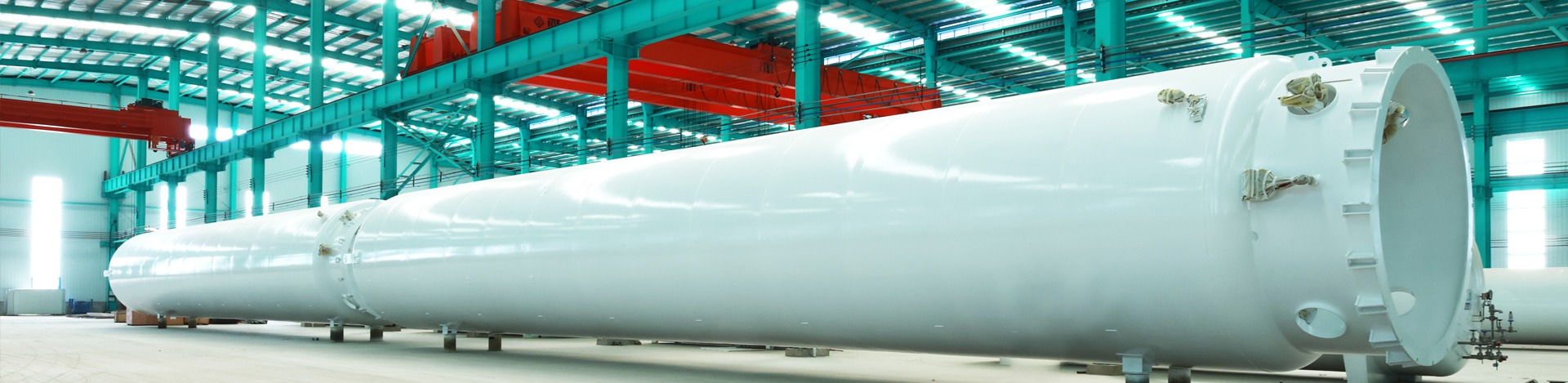
During Manufacturer Production, every stage—from material selection to welding and insulation assembly—is strictly controlled. Factory bulk supply ensures consistent quality for large-scale industrial and commercial cryogenic installations.
Both liquid oxygen and liquid nitrogen tanks share common design principles, but their stored media create different engineering challenges.
Overview of Liquid Oxygen Storage Tanks
Liquid oxygen is stored at around −183 °C. Because oxygen is a strong oxidizer, Liquid Oxygen Storage Tanks must meet higher safety standards than many other cryogenic vessels.
Key characteristics include:
·Enhanced material compatibility
·Strict cleanliness requirements
·Controlled venting systems
·Oxidation-resistant surfaces
Manufacturer Production focuses heavily on contamination control and precision welding. Factory bulk supply environments ensure each Liquid Oxygen Storage Tank maintains consistent structural and thermal performance for long-term operation.
Overview of Liquid Nitrogen Storage Tanks
Liquid nitrogen is stored at approximately −196 °C. It is chemically inert, making it safer from a combustion standpoint, but it still presents cryogenic hazards such as asphyxiation and extreme cold exposure.
Typical features include:
·High-performance insulation
·Pressure relief devices
·Robust vacuum jackets
·Efficient evaporation control
In Manufacturer Production, nitrogen tanks emphasize thermal efficiency and mechanical stability. Factory bulk supply ensures uniform geometry and insulation quality for reliable service in laboratories and industrial systems.
Temperature and Physical Property Differences
Although the temperature range of both liquids is close, their physical behavior differs. Liquid oxygen has higher density and acts as an oxidizer, while nitrogen is lighter and inert.
Impacts on tank design:
·Oxygen tanks require oxidation-resistant materials
·Nitrogen tanks prioritize thermal retention
·Pressure control differs due to evaporation behavior
·Structural loads vary with liquid density
During Production, Manufacturer systems calibrate thickness, joint design, and insulation layers differently for each tank type. Factory output ensures stable performance under specific cryogenic conditions.
Safety Requirements and Risk Control
Safety is the most critical difference between the two systems. Liquid oxygen increases combustion risks, while liquid nitrogen mainly presents suffocation and frostbite hazards.
Safety design for Liquid Oxygen Storage Tanks includes:
·Non-combustible material selection
·Strict degreasing procedures
·Enhanced leak detection
·Ventilation management
For nitrogen tanks:
·Oxygen-deficiency monitoring
·Pressure relief control
·Ice prevention measures
Manufacturer Production integrates safety validation, while Factory bulk supply guarantees standardized risk control across all delivered tanks.
Structural and Insulation Design
Both tank types rely on vacuum insulation and multi-layer systems, but oxygen tanks often require extra surface treatment to prevent reactions with hydrocarbons.
Structural differences involve:
·Inner vessel material selection
·Weld integrity at cryogenic temperatures
·Insulation thickness calibration
·Support design for contraction
Factory-controlled Production ensures each tank’s insulation system matches the medium it stores. Manufacturer processes focus on long-term dimensional stability and thermal efficiency.
Operational Performance Comparison
Operational performance relates to boil-off rate, pressure stability, and maintenance requirements.
Liquid Oxygen Storage Tanks emphasize:
·Stable pressure control
·Reduced contamination risk
·Consistent vaporization behavior
Liquid nitrogen tanks prioritize:
·Low evaporation loss
·Efficient thermal retention
·Flexible operation cycles
Through Manufacturer Production planning and Factory bulk supply logistics, both tank types are optimized for continuous, high-demand cryogenic service.
Manufacturer Production and Factory Bulk Supply
High-quality cryogenic tanks depend on systematic manufacturing management. A professional Manufacturer environment controls:
·Welding qualification
·Vacuum insulation assembly
·Dimensional accuracy
·Cleanliness standards
·Inspection and documentation
Factory bulk supply ensures:
·Uniform tank construction
·Stable batch consistency
·Efficient large-volume Production
·Predictable delivery schedules
This integrated system supports reliable Liquid Oxygen Storage Tanks and nitrogen tanks for international industrial markets.
Application Scenarios for Each Tank Type
Liquid Oxygen Storage Tanks are widely used in:
·Medical oxygen supply systems
·Metallurgical processing
·Energy and gas industries
·Chemical manufacturing
Liquid nitrogen tanks serve:
·Laboratories and research centers
·Food freezing and preservation
·Electronics manufacturing
·Cold-chain logistics
Manufacturer Production capacity and Factory bulk supply enable both tank types to support diverse, large-scale cryogenic operations.
How to Choose the Right Cryogenic Tank
When selecting between oxygen and nitrogen tanks, consider:
·Stored medium characteristics
·Safety environment
·Temperature and pressure demands
·Operational frequency
·Installation location
Aligning these factors with Manufacturer Production planning ensures Factory-supplied tanks meet project-specific requirements efficiently.
Conclusion: Understanding Liquid Oxygen Storage Tanks and Nitrogen Alternatives
Liquid Oxygen Storage Tanks and liquid nitrogen tanks may look similar, but their engineering, safety, and performance requirements differ significantly. Oxygen tanks demand higher cleanliness and oxidation control, while nitrogen tanks focus more on thermal efficiency and inert handling.
Backed by Manufacturer-controlled Production and Factory-level bulk supply, modern cryogenic tank systems deliver stable, safe, and efficient performance. Choosing the right solution is not just about temperature—it is about understanding how each cryogenic medium interacts with materials, insulation, and operational environments to ensure long-term reliability with professional Liquid Oxygen Storage Tanks and nitrogen storage solutions.
References
GB/T 7714:Mokhatab S, Mak J Y, Valappil J V, et al. Handbook of liquefied natural gas[M]. Gulf Professional Publishing, 2013.
MLA:Mokhatab, Saeid, et al. Handbook of liquefied natural gas. Gulf Professional Publishing, 2013.
APA:Mokhatab, S., Mak, J. Y., Valappil, J. V., & Wood, D. A. (2013). Handbook of liquefied natural gas. Gulf Professional Publishing.