








Liquid Argon Cryogenic Storage Tanks: Design, Pressure Ratings, and Safety Standards
Liquid argon (LAr) cryogenic storage tanks serve as core critical equipment for low-temperature gas storage, widely deployed in industrial gas supply, metallurgical processing, medical equipment systems and advanced scientific research fields. Since liquid argon is stored stably at an ultra-low temperature of approximately −186°C, such storage tanks belong to high-standard special pressure vessels. They require professional low-temperature insulation design and multi-layer safety protection mechanisms to effectively curb liquid gas boil-off, internal overpressure and leakage risks, ensuring continuous safe and stable operation. This article comprehensively elaborates on the structural design principles, operating pressure specifications, international compliance standards and key engineering considerations of liquid argon cryogenic tanks, while recommending high-quality customized industrial storage solutions from our factory.
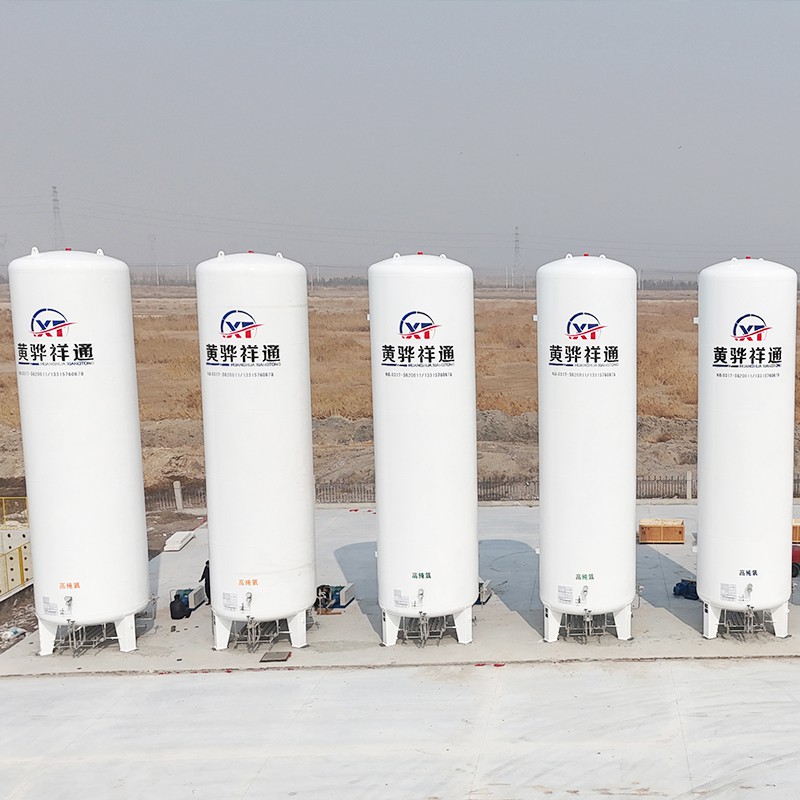
Overview of Liquid Argon Cryogenic Storage Tanks
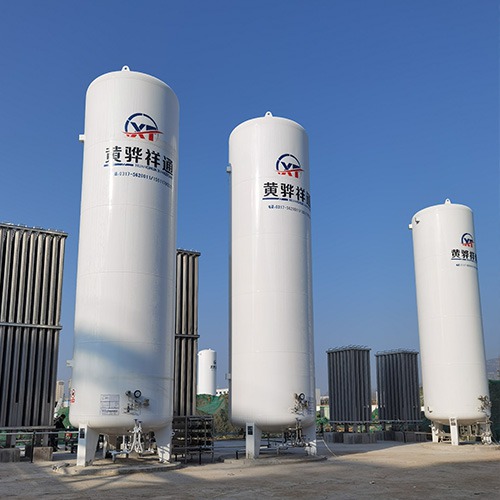
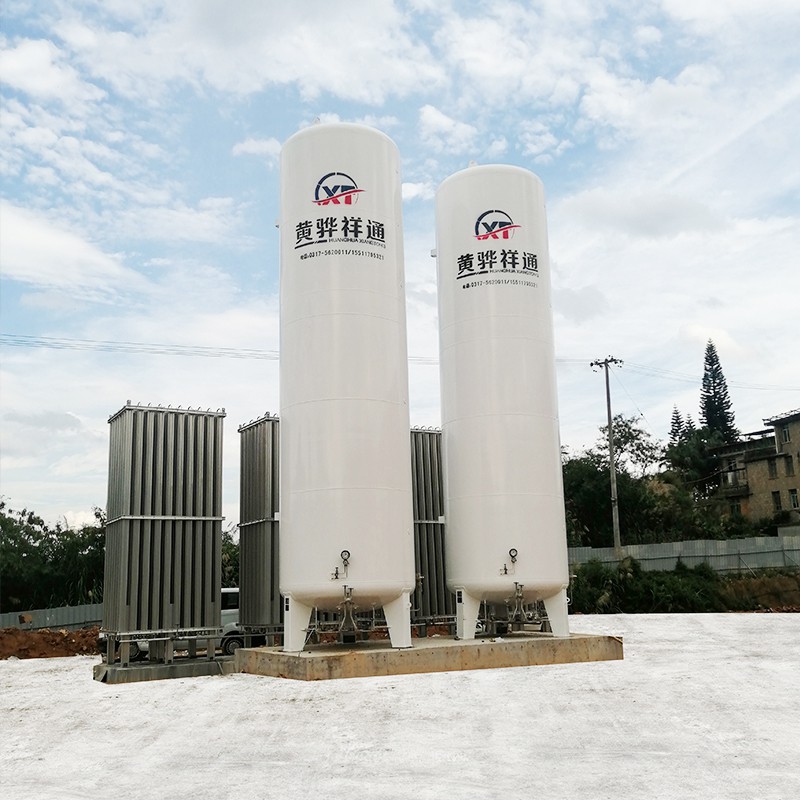
A liquid argon cryogenic storage tank is a double-layer vacuum-insulated pressure vessel customized for long-term static storage of cryogenic liquid argon. Different from ordinary atmospheric storage equipment, it adopts professional low-temperature resistance and heat insulation technologies to lock the liquid state of argon and reduce gasification loss. Liquid argon has excellent inert and stable chemical properties, supporting diversified industrial and scientific scenarios, mainly including:
Metal smelting and steel processing, serving as inert shielding gas to isolate air and prevent oxidation
Precision manufacturing of semiconductors and electronic components
Medical equipment supporting and laboratory cryogenic experiments
High-precision detection equipment and large-scale scientific research experimental systems
It is worth noting that liquid argon will expand more than 800 times in volume after complete vaporization. Even tiny external heat penetration can trigger rapid gasification of internal liquid argon, leading to a sharp rise in tank pressure. Therefore, standardized structural design and perfect safety configurations are the core prerequisites for the normal operation of cryogenic argon storage tanks.
Structural Design and Core Engineering Principles
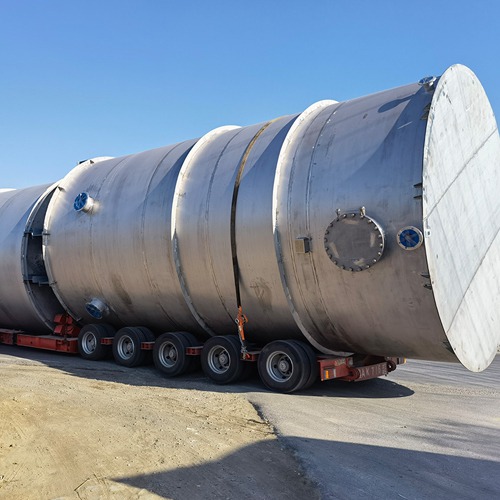
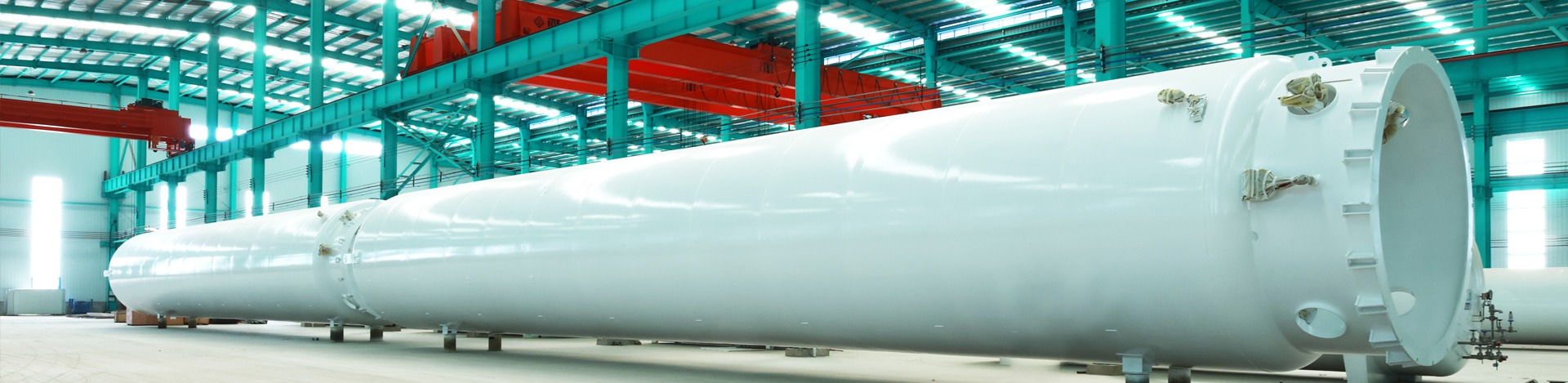
Current mainstream industrial liquid argon cryogenic storage tanks adopt vertical or horizontal double-shell fully enclosed structures. The layered design completely isolates external ambient temperature from the internal low-temperature environment, greatly reducing heat conduction and convection loss. The core structural components and design concepts are as follows:
Inner Storage Vessel: Made of high-quality 304 or 316L stainless steel with excellent low-temperature toughness. It effectively avoids material cold brittleness at −186°C, ensuring stable pressure bearing and anti-leakage performance of the inner container.
Outer Protective Shell: Adopts high-strength carbon steel or special alloy materials, which provides mechanical protection for the internal insulation layer and inner vessel, resisting external impact and atmospheric corrosion.
High-Efficiency Vacuum Insulation Layer: The interlayer is pumped into a high vacuum state to cut off heat conduction and convection paths, fundamentally reducing external heat infiltration.
Auxiliary Heat Insulation Filling: Equipped with multi-layer insulation materials (MLI) or perlite filling, which further weakens radiation heat transfer and minimizes liquid argon evaporation loss.
Professional Support System: The customized support structure can adapt to the thermal contraction characteristics of low-temperature equipment and resist seismic and external load impacts, ensuring long-term structural stability.
The optimized double-shell vacuum insulation structure enables the tank to maintain an ultra-low heat loss rate, realizing long-term low-cost and stable storage of liquid argon.
Operating Pressure Specifications and Working Conditions
Liquid argon cryogenic storage tanks are not simple atmospheric storage equipment. They rely on stable pressure control to maintain the liquid-gas phase balance of argon and ensure safe and continuous gas supply. All pressure parameters are designed with sufficient safety margins based on international standards.Standard Pressure Parameter Range
Conventional working pressure: 0.2–2.0 MPa (2–20 bar), adaptable to most industrial gas supply scenarios
Standard design pressure: Higher than the actual working pressure, reserving sufficient safety redundancy in accordance with ASME and EN industrial specifications
Pressure relief valve threshold: Set within 1.5 times the design pressure, complying with international safety code requirements
To solve the overpressure risk caused by continuous gasification of liquid argon, the tank is equipped with matched pressure build-up coils and automatic pressure relief devices. The system can dynamically adjust internal pressure in real time to keep the equipment running within a safe pressure range.
International Safety Standards and Compliance Specifications
As special low-temperature pressure vessels, liquid argon storage tanks must strictly comply with global authoritative industrial standards in design, manufacturing and inspection links to eliminate potential safety hazards. The mainstream applicable certification standards are as follows:
ASME BPVC Standard: Governs the overall design, material selection and fabrication specifications of industrial pressure vessels
EN 13458 European Standard: Special specification for vacuum insulated cryogenic storage vessels, regulating insulation performance and structural safety
CGA Industry Guidelines: Standardizes the model selection, sizing and safe venting rules of pressure relief devices for compressed gas equipment
DOT Regulations: Applicable to mobile cryogenic storage and transportation tanks, standardizing mobile operation safety specifications
Core Standard Safety ConfigurationsAll qualified cryogenic argon tanks are equipped with redundant safety systems, including multiple sets of pressure relief valves (PRVs), emergency burst discs, real-time vacuum monitoring devices, anti-overfill protection modules and oxygen-deficient hazard ventilation structures. The multi-level protection mechanism ensures that the equipment can automatically release pressure and avoid failure risks even under extreme heat infiltration or abnormal working conditions.
Key Safety Engineering Design Points
The R&D and manufacturing of liquid argon cryogenic tanks need to take into account both mechanical structural strength and low-temperature thermodynamic stability. The key engineering design details determine the long-term safe operation of the equipment:1. Strict Heat Infiltration ControlSlight external heat leakage will cause continuous gasification of liquid argon and continuous pressure rise inside the tank. The optimized vacuum insulation and multi-layer heat preservation design effectively suppress heat transfer and reduce evaporation loss and pressure fluctuation.2. Redundant Pressure Protection MechanismDual pressure relief configuration is adopted to avoid single-point failure. It can safely and quickly discharge excess gas under emergency overpressure conditions to prevent tank body damage.3. Low-Temperature Embrittlement Resistance DesignAll pressure-bearing and contact materials are strictly screened to maintain stable ductility and mechanical strength in the −186°C ultra-low temperature environment, avoiding structural cracking caused by low-temperature embrittlement.4. Standardized Guided Venting DesignAll gas discharge pipelines adopt upward directional layout, which prevents the low-temperature gas from accumulating near the equipment, avoids personnel frostbite and structural damage, and eliminates oxygen-deficient safety hazards.
Our Factory’s Professional Liquid Argon Storage Tank Solution
Our factory is a professional manufacturer integrating R&D, design and production of cryogenic liquid storage equipment. We focus on providing high-reliability customized storage solutions for liquid argon and other industrial cryogenic gases, with mature manufacturing technology and strict quality control system.Our Product Advantages and Service Content
Full series of vacuum insulated double-wall cryogenic tanks, covering small laboratory models to large industrial supporting equipment
Customizable working pressure and capacity parameters to meet the differentiated needs of various application scenarios
Full compliance with ASME, EN and other international mainstream safety standards, supporting global market certification and delivery
Complete supporting safety systems, including pressure relief valves, burst discs and real-time vacuum monitoring devices
Low evaporation loss optimized design, extending equipment service life and reducing long-term operating costs
We provide one-stop turnkey services including equipment customized design, production and manufacturing, installation guidance and after-sales technical support, delivering cost-effective and stable cryogenic storage solutions for global industrial customers.
Conclusion
Liquid argon cryogenic storage tanks are high-precision integrated equipment that combines low-temperature thermodynamics, pressure vessel mechanics and multi-dimensional safety engineering. Reasonable insulation structure design, accurate pressure control system and strict international standard compliance are the three core guarantees for long-term safe and efficient operation of the equipment. Selecting a professional and qualified manufacturer is crucial to equipment operating performance, on-site safety and regulatory compliance. If you need customized liquid argon cryogenic storage system solutions, our professional engineering team can tailor exclusive design schemes and parameter configurations according to your project scenarios to meet your precise production and use needs.
References
GB/T 7714:Pressure safety analysis and overpressure protection for cryogenic argon storage vessels. Cryogenics
MLA:Compliance assessment of ASME and EN standards for industrial cryogenic pressure vessels.Process Safety Progress
APA:Evaporation loss control and long-term stability of liquid argon cryogenic storage systems. Applied Thermal Engineering