








Industrial Gas Storage Solutions: Cryogenic Tank Applications
Industrial gases such as oxygen, nitrogen, argon, and carbon dioxide are essential to countless manufacturing, medical, and research processes. Storing these gases in their liquid form at cryogenic temperatures offers significant advantages in terms of space efficiency and supply continuity. Cryogenic tanks designed specifically for industrial gas service are the backbone of this storage infrastructure, and understanding their applications helps facility managers and procurement teams make informed decisions when selecting a supplier.
Liquid Oxygen Storage in Healthcare and Steelmaking
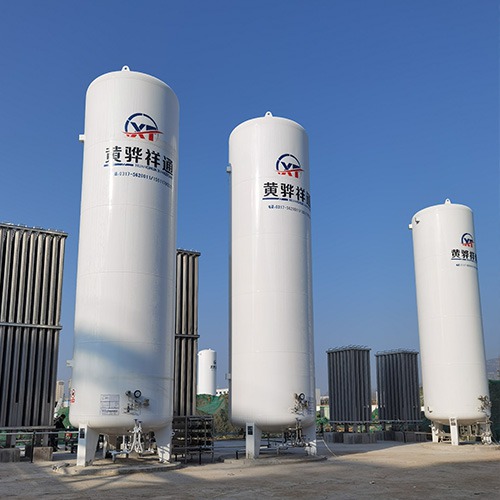
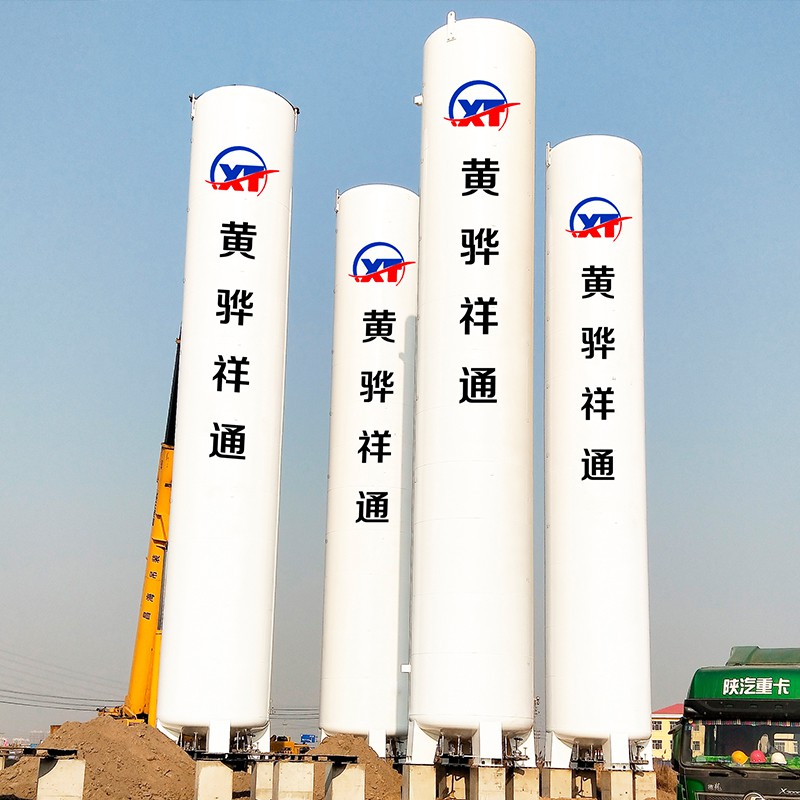
Liquid oxygen is critical in hospitals for respiratory therapy and in steelmaking where it enhances combustion efficiency in blast furnaces. Storage tanks for liquid oxygen must meet stringent cleanliness standards because even trace hydrocarbon contamination poses a serious explosion hazard. A qualified manufacturer follows specialized cleaning procedures and uses materials compatible with oxygen service. The tanks are typically vertical units with capacities ranging from a few thousand liters to over 200 cubic meters, depending on the consumption rate of the end user.
Liquid Nitrogen in Food Processing and Electronics
The food industry relies on liquid nitrogen for flash freezing, which preserves texture and nutritional quality far better than conventional methods. In semiconductor fabrication, nitrogen provides an inert atmosphere that prevents oxidation during wafer processing. Tanks for liquid nitrogen service benefit from vacuum insulation, which minimizes boil-off and reduces the frequency of refills. An experienced factory can customize tank configurations to accommodate specific site layouts and delivery schedules.
Liquid Argon for Welding and Metal Fabrication
Argon is widely used as a shielding gas in TIG and MIG welding. Stored as a cryogenic liquid, it occupies far less space than compressed gas cylinders, making it the preferred choice for high-volume welding operations. Cryogenic tanks for argon share many design features with oxygen and nitrogen tanks but may incorporate different valve arrangements and fill connections to match the gas distribution infrastructure at the customer facility.
Carbon Dioxide Storage for Beverage and Oil Recovery
Carbon dioxide is stored at a higher temperature than other industrial gases, typically around -20 degrees Celsius under moderate pressure. While this places it at the warmer end of the cryogenic spectrum, the storage tank still requires insulated construction and reliable pressure control. Beverage producers use CO2 for carbonation, while the oil industry injects it into reservoirs to enhance recovery rates. A versatile manufacturer can produce tanks for CO2 service that comply with the relevant pressure vessel codes.
Choosing the Right Tank for Your Application
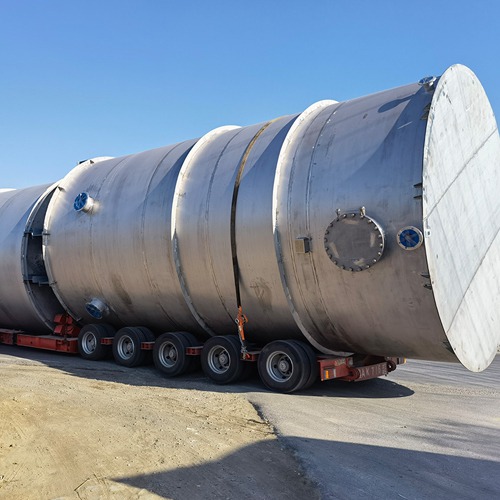
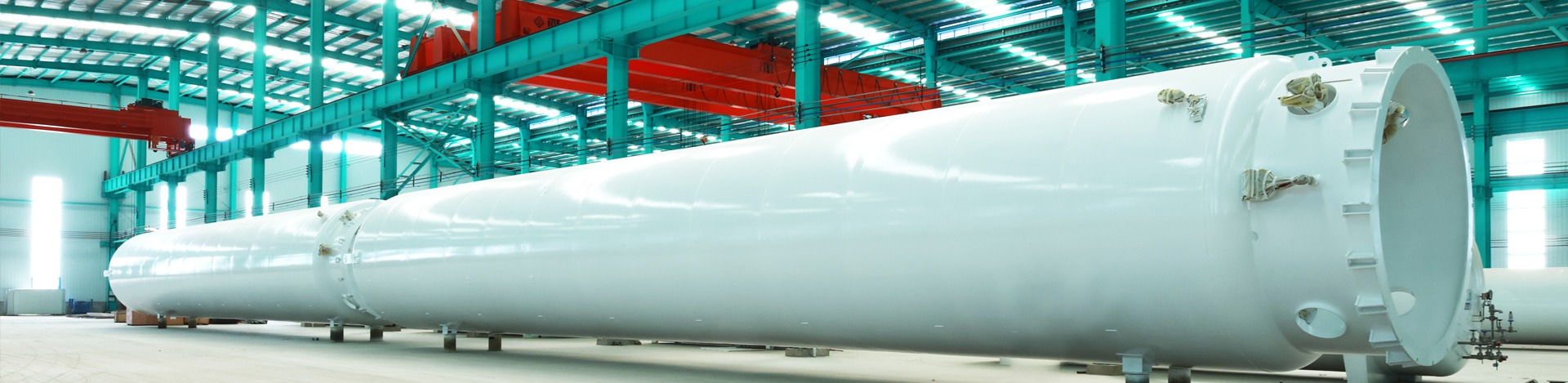
Selecting a cryogenic tank involves considering the type of gas, daily consumption rate, available footprint, and delivery logistics. Vertical tanks save floor space, while horizontal models may be easier to transport and install in constrained areas. A knowledgeable supplier will assess these factors and recommend a solution that balances initial investment with long-term operating costs. Factory-direct procurement often provides the best value, as it eliminates intermediaries and allows for direct communication with the engineering team.
Conclusion
Cryogenic storage tanks are indispensable assets across a wide range of industrial gas applications. Whether the need is for medical-grade oxygen, food-grade nitrogen, or welding-grade argon, partnering with a manufacturer that understands the nuances of each gas ensures compliance, safety, and operational efficiency. The right tank, properly specified and professionally built, delivers reliable service for decades.
References:
CGA P-12, Safe Handling of Cryogenic Liquids, Compressed Gas Association
EIGA Doc 24, Design Considerations for Vacuum Insulated Cryogenic Storage Tanks, European Industrial Gases Association
API 620, Design and Construction of Large, Welded, Low-Pressure Storage Tanks, American Petroleum Institute