








Industrial Storage Tanks in Chemical, Oil, and Water Industries
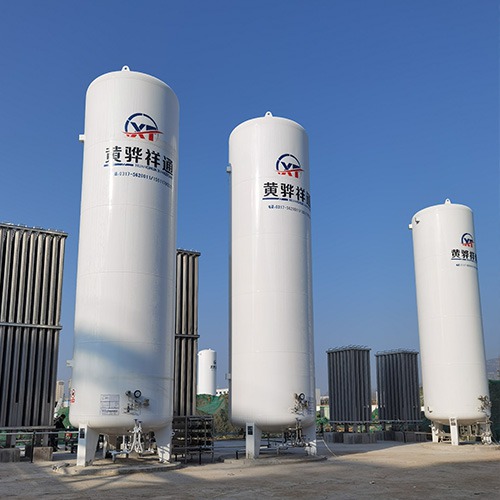
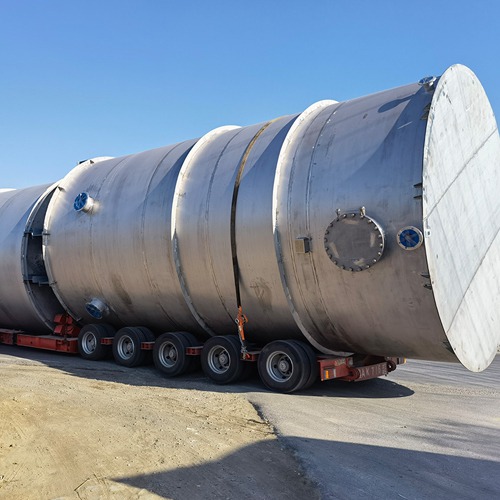
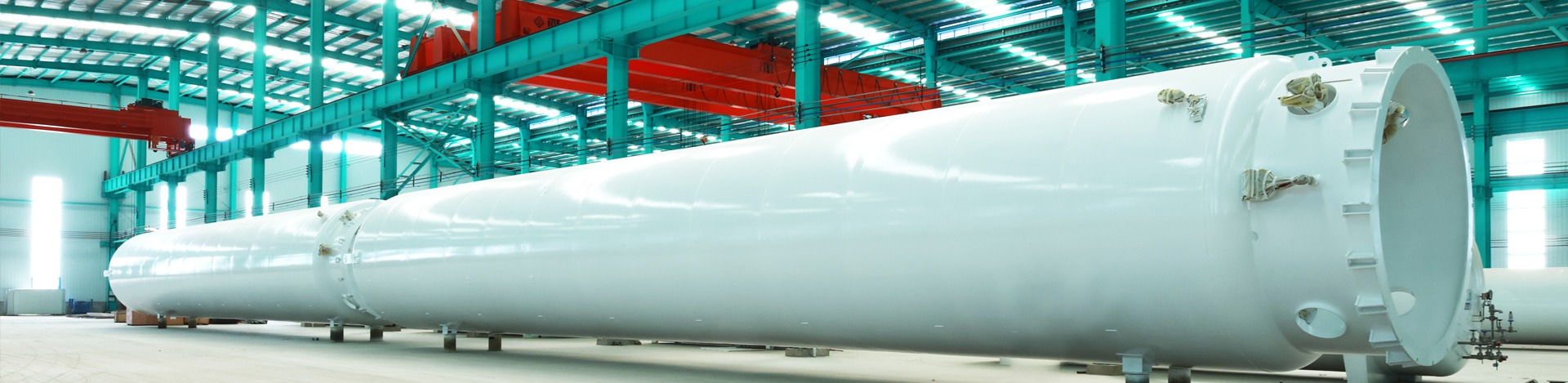
Industrial storage tanks play a critical role in modern infrastructure, serving as essential equipment for storing, processing, and transporting liquids and semi-liquids across multiple industries. From petrochemical plants to municipal water systems, their design and performance directly affect operational safety, efficiency, and regulatory compliance. In this article, we will explore how industrial storage tanks are applied in chemical, oil, and water industries, and what technical factors ensure their long-term reliability.
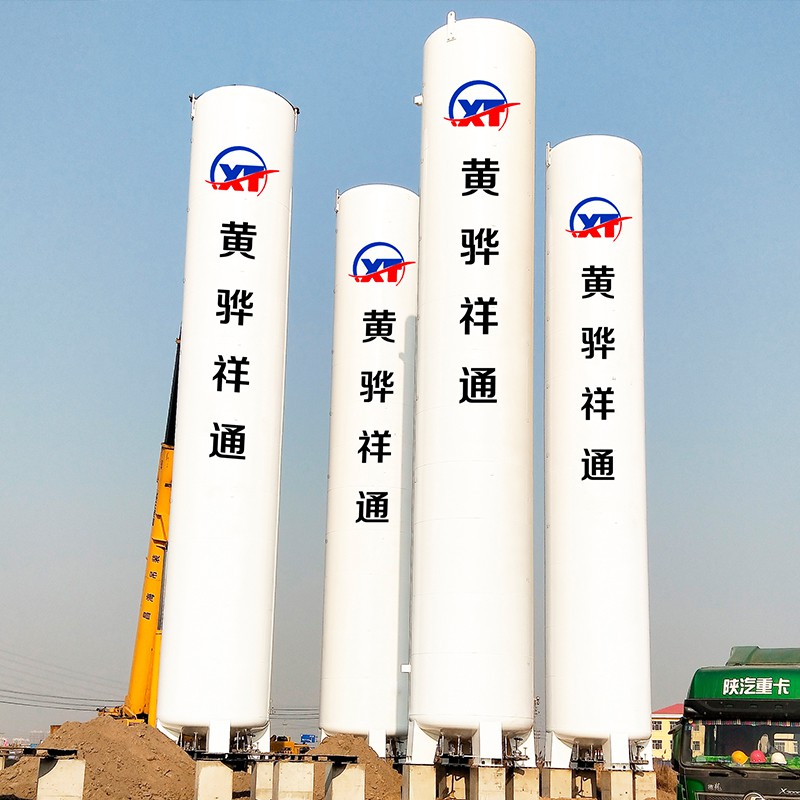
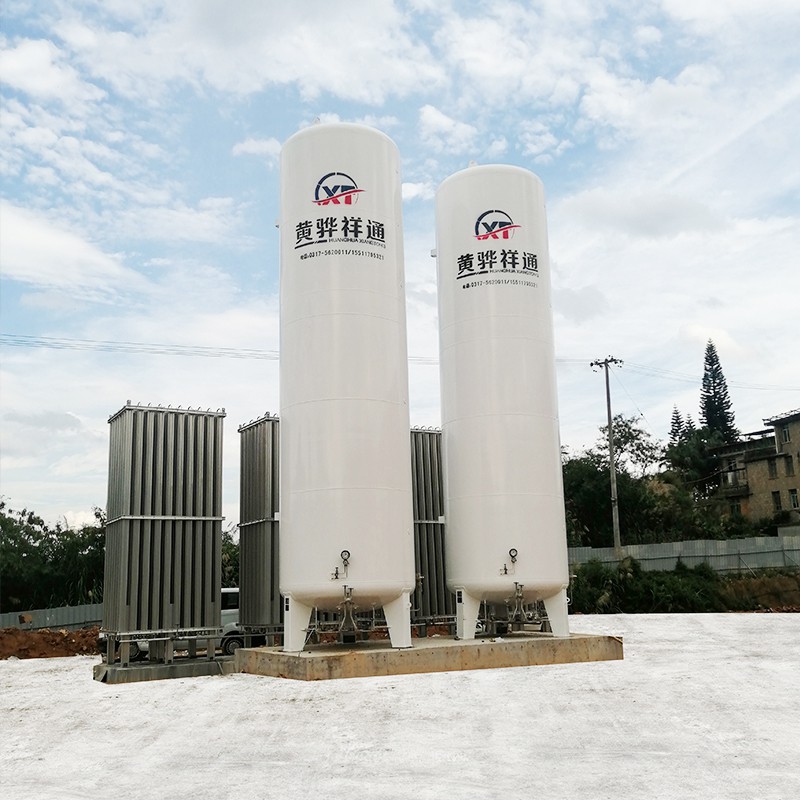
Keywords: industrial storage tanks, chemical storage tanks, oil storage tanks, water storage tanks, corrosion-resistant storage tanks, tank safety standards
1. Industrial Storage Tanks as Core Infrastructure Components
Industrial storage tanks are engineered vessels designed to hold large volumes of liquids under varying pressure, temperature, and chemical conditions. Unlike standard containers, they are built according to strict engineering codes and industry standards to ensure structural integrity and operational safety.
In chemical, oil, and water industries, these tanks act as buffering systems that stabilize supply chains, enable continuous production, and reduce operational downtime. Depending on the application, they may be vertical, horizontal, aboveground, or underground, each configuration serving a specific functional requirement.
2. Chemical Industry Applications and Material Compatibility
In the chemical industry, storage tanks must handle highly reactive, corrosive, or hazardous substances. This requires careful selection of construction materials such as stainless steel, carbon steel with protective lining, or specialized composite materials.
Chemical storage tanks must resist corrosion, prevent contamination, and maintain product purity. Even minor material incompatibility can lead to chemical degradation or safety hazards. Therefore, engineers often perform compatibility analysis before selecting tank materials, ensuring long-term stability and regulatory compliance with industrial safety standards.
3. Oil Industry Requirements: Pressure, Safety, and Durability
In the oil and petroleum sector, storage tanks are used to store crude oil, refined products, and intermediate hydrocarbons. These oil storage tanks must withstand high volumes, fluctuating temperatures, and potential vapor pressure buildup.
Safety is a primary concern. Tanks are often equipped with pressure relief systems, floating roofs, and fire protection mechanisms to reduce risks of explosion or leakage. Additionally, anti-corrosion coatings and cathodic protection systems are widely used to extend service life, especially in harsh environmental conditions such as offshore platforms or desert refineries.
4. Water Industry Applications: Hygiene and Structural Efficiency
Water storage systems require a different engineering focus compared to chemical and oil applications. In municipal water supply, irrigation, and wastewater treatment, water storage tanks must ensure hygiene, prevent contamination, and support stable flow distribution.
Materials used in water storage tanks are often selected for their non-reactive and non-toxic properties. Stainless steel and food-grade coatings are commonly applied. Structural design also emphasizes ease of cleaning, sediment control, and resistance to biological growth, ensuring safe long-term water storage.
5. Corrosion Resistance and Long-Term Performance
Corrosion is one of the most critical challenges affecting industrial storage tanks across all industries. Exposure to chemicals, moisture, and atmospheric conditions can significantly reduce tank lifespan if not properly managed.
Modern corrosion-resistant storage tanks use multiple protection strategies, including epoxy coatings, galvanization, cathodic protection, and advanced alloy materials. These technologies not only extend service life but also reduce maintenance costs and unplanned downtime, improving overall operational efficiency.
6. Tank Safety Standards and Engineering Compliance
Industrial storage tanks must comply with international and regional safety standards such as API 650, ASME codes, and other industry-specific regulations. These standards define requirements for design pressure, wall thickness, welding quality, inspection procedures, and testing methods.
Regular inspections, non-destructive testing (NDT), and maintenance schedules are essential to ensure ongoing compliance. In high-risk industries like oil and chemical processing, adherence to safety standards is not optional—it is a fundamental requirement for operational licensing and environmental protection.
7. Design Considerations: Capacity, Pressure, and Environment
When designing industrial storage tanks, engineers must evaluate several key factors, including storage capacity, operating pressure, fluid characteristics, and environmental conditions. For example, tanks used in cold climates must account for thermal expansion and material brittleness, while those in coastal areas require enhanced corrosion protection.
Proper design ensures not only performance efficiency but also structural safety under extreme operating conditions. Computational modeling and simulation are increasingly used to predict stress distribution and optimize tank geometry before manufacturing begins.
8. Conclusion: The Importance of Reliable Storage Infrastructure
Industrial storage tanks are indispensable across chemical, oil, and water industries, forming the backbone of modern industrial operations. Their performance directly impacts safety, productivity, and environmental sustainability.
By selecting appropriate materials, following strict safety standards, and applying advanced corrosion protection technologies, industries can ensure long-term reliability and efficiency. As industrial demands continue to grow, the evolution of storage tank technology will remain a key factor in supporting global infrastructure development.
References
GB/T 7714:A probabilistic approach for the estimation of the residual useful lifetime of atmospheric storage tanks in oil industry.
MLA:Technical assessment of biodiesel storage tank: A corrosion case study.
APA:Storage Tanks Selection, Design, Testing, Inspection, and Maintenance.