








Industrial Storage Tank Design: Materials, Standards, and Safety Considerations
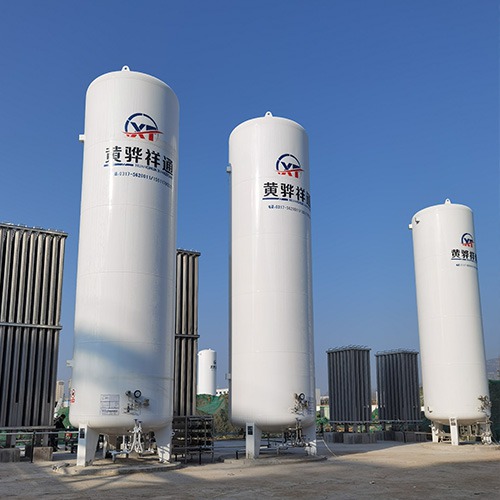
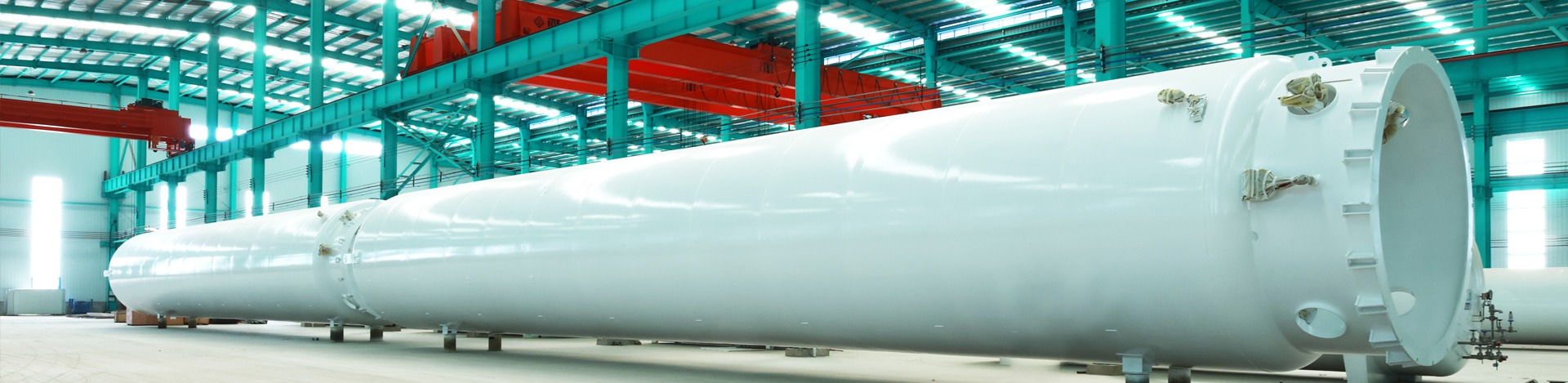
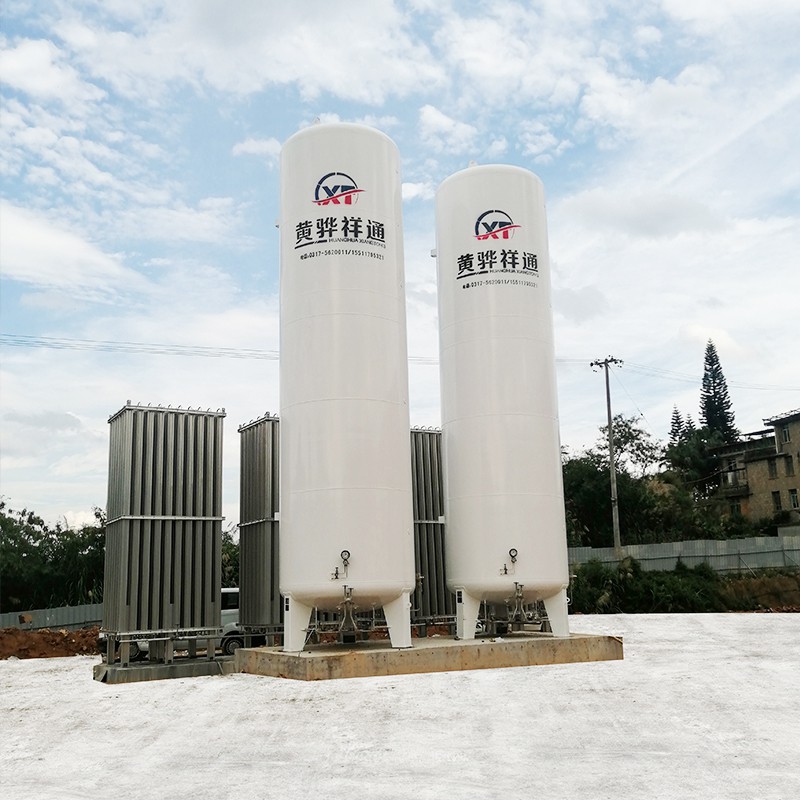
Industrial storage tanks serve as essential infrastructure across a range of sectors, including oil and gas, chemical processing, water treatment, and manufacturing. A thoughtfully engineered storage tank guarantees secure containment of substances, efficient day-to-day operation, and an extended service lifespan. To achieve these objectives, engineers need to meticulously evaluate materials, design norms, and safety protocols at every stage of the tank system’s lifecycle.
_storage_tank.jpg)
An Overview of Industrial Storage Tank Design
Designing an industrial storage tank is far more complex than merely choosing a container. It demands a holistic engineering strategy that takes into account the following critical factors:
The physical and chemical characteristics of the stored materials
The operating pressure and temperature parameters
Environmental conditions and site-specific constraints
Adherence to regulatory requirements and industry benchmarks
A well-executed tank design not only minimizes the risk of failures but also enhances operational performance and lowers long-term maintenance expenses.
Selecting the Right Materials for Storage Tanks
The choice of material is pivotal to ensuring the tank’s durability, safety, and compatibility with the substances it will hold. Below are the most commonly used materials and their applications:
1. Carbon Steel
Carbon steel is among the most prevalent materials for industrial storage tanks, thanks to its high strength and cost-efficiency. It is particularly well-suited for storing petroleum products and non-corrosive liquids. That said, it usually needs protective coatings to guard against corrosion over time.
2. Stainless Steel
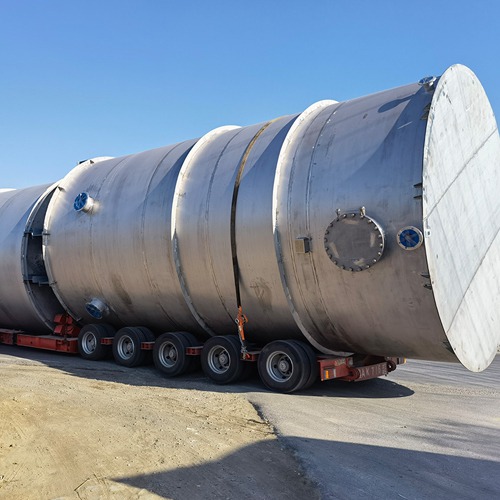
Stainless steel boasts superior corrosion resistance, making it an ideal choice for storing aggressive chemicals, food-grade liquids, and pharmaceutical products. While it comes with a higher price tag, it delivers long-term dependability and reduces the need for frequent maintenance.
3. Fiberglass Reinforced Plastic (FRP)
FRP tanks are lightweight, highly resistant to corrosion, and perfect for containing acids, alkalis, and other highly corrosive substances. They are widely employed in the chemical and water treatment industries due to their versatility and durability.
4. Specialized Alloys
In extreme operating conditions—such as high temperatures or when storing highly reactive chemicals—specialized alloys (e.g., nickel-based alloys) are often necessary to ensure the tank’s integrity and safety. Ultimately, material selection must align with the chemical compatibility of the stored media, the expected temperature range, and the desired service life of the tank.
Key Design Standards and Codes
To guarantee safety and quality, industrial storage tanks must comply with internationally recognized standards and codes. The most prominent ones are outlined below:
API Standards (American Petroleum Institute)
API 650 – Welded tanks designed for oil storage
API 620 – Large-scale, low-pressure storage tanks
API 653 – Guidelines for inspection and maintenance of tanks
These standards are extensively used in the oil and gas industry to ensure consistent quality and safety.
ASME Boiler and Pressure Vessel Code (BPVC)
This code applies specifically to pressurized storage tanks, ensuring their structural stability under internal pressure. It sets strict guidelines for material selection, fabrication processes, and testing procedures.
ISO Standards
ISO 9001 – Quality management systems
ISO 14001 – Environmental management practices
ISO 45001 – Occupational health and safety management
ISO standards help maintain uniformity and reliability in the manufacturing and operation of storage tanks.
NFPA Codes (Fire Safety)
NFPA 30 – Standards for flammable and combustible liquids
NFPA 59A – Guidelines for LNG storage systems
NFPA 58 – Safety standards for LPG systems
These codes focus on fire prevention measures and emergency safety systems to mitigate fire-related risks.
Safety Considerations in Tank Design
Safety is the top priority in the design of industrial storage tanks. Engineers must incorporate a range of safety features to minimize potential hazards. Key safety aspects include:
1. Structural Integrity
Adequate tank thickness and high-quality welding
Load calculations to account for wind, seismic activity, and hydrostatic pressure
2. Corrosion Protection
Internal linings and external protective coatings
Cathodic protection systems to prevent corrosion
3. Pressure and Venting Systems
Pressure relief valves to prevent overpressure
Vacuum breakers to avoid vacuum-related damage
Venting systems to regulate internal pressure
4. Fire Protection Measures
Fire suppression systems (e.g., foam, sprinklers)
Flame arrestors to prevent flame propagation
Safe separation distances between adjacent tanks
5. Leak Detection and Secondary Containment
Double-wall tanks or containment bunds to contain leaks
Leak detection sensors and alarm systems for early warning
Environmental and Site Considerations
The design of storage tanks must also take into account environmental factors and installation conditions to ensure long-term performance:
Soil conditions and the design of the tank foundation
Climate factors (extreme temperatures, humidity, and corrosion exposure)
Seismic activity and wind loads in the area
Proximity to populated areas or sensitive ecosystems
A thorough site assessment is essential to reduce long-term risks and minimize maintenance requirements.
Maintenance and Lifecycle Management
Even a well-designed storage tank requires regular maintenance to ensure ongoing safety and compliance with standards. Recommended maintenance practices include:
Routine inspections and cleaning
Non-destructive testing (NDT) to identify potential issues
Continuous corrosion monitoring
Periodic certification and documentation of maintenance activities
Effective lifecycle management ensures that the tank remains safe and operational for decades.
Conclusion
The design of industrial storage tanks is a complex process that integrates material selection, compliance with international standards, and robust safety measures. By carefully considering all these factors, companies can implement reliable storage solutions that meet their operational needs and regulatory obligations. Investing in high-quality tank design not only enhances safety but also improves operational efficiency, reduces maintenance costs, and extends the service life of the tank system—delivering long-term value for businesses across various industries.
References
GB/T 7714:ASME Boiler and Pressure Vessel Code (BPVC), Section VIII: Pressure Vessels. American Society of Mechanical Engineers.
MLA:Occupational Health and Safety Management Systems—Requirements with Guidance for Use. International Organization for Standardization
APA: FRP Storage Tanks: Corrosion Resistance Mechanisms and Industrial Applications. Journal of Composite Materials