








Industrial Guide: High-Pressure Ethylene Tanks for Efficient Storage
Introduction
High-pressure ethylene tanks are essential components in the chemical and petrochemical industries. They allow safe, reliable, and efficient storage of ethylene gas under controlled conditions. Proper tank selection and handling not only optimize storage efficiency but also ensure safety, compliance, and long-term operational reliability.
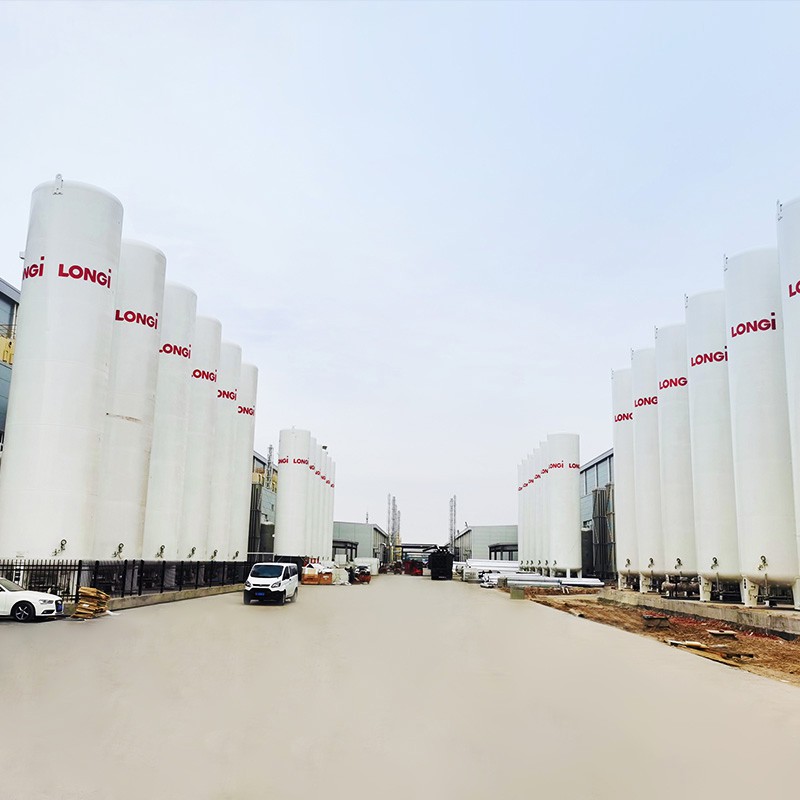
1. What Are High-Pressure Ethylene Tanks?
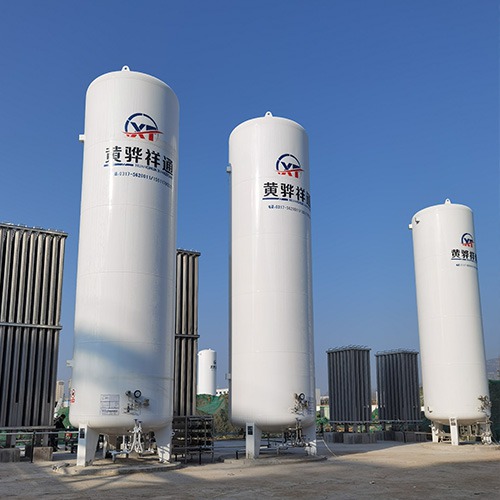
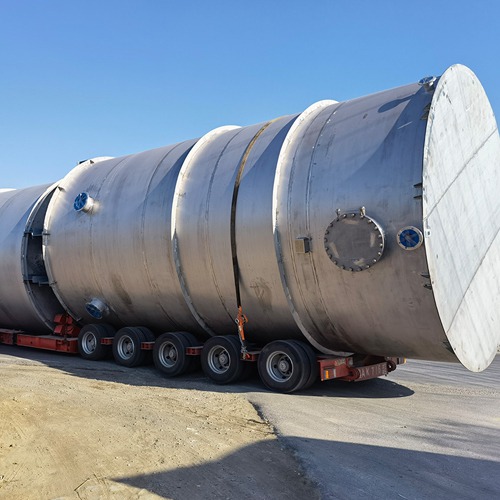
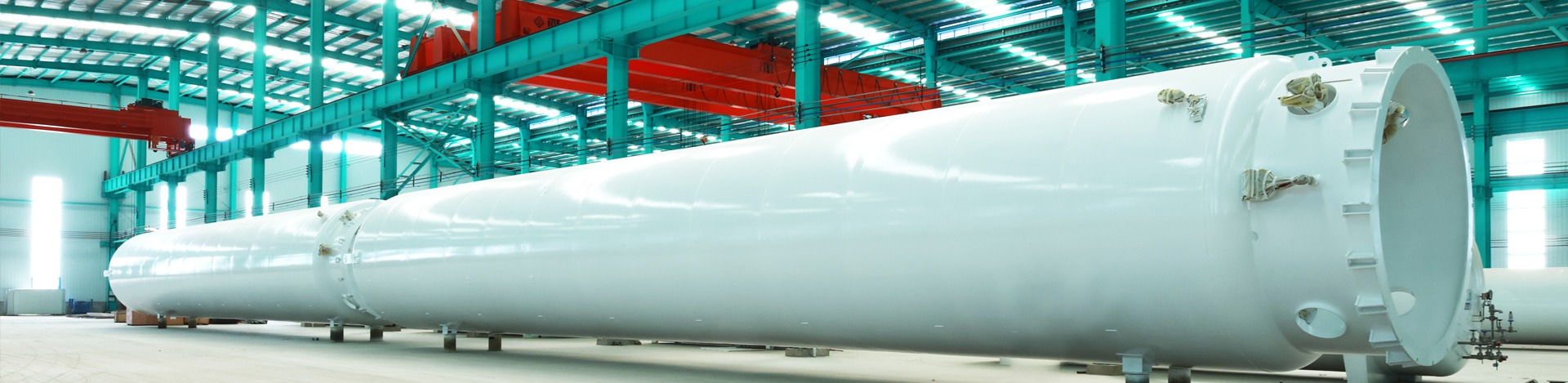
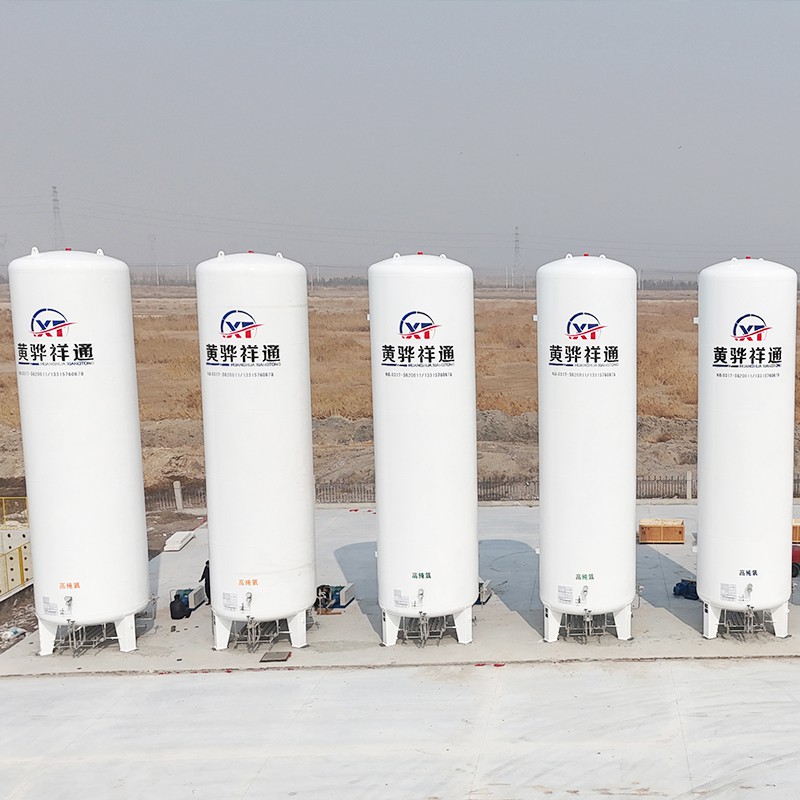
High-pressure ethylene tanks are specially engineered vessels designed to store ethylene gas at elevated pressures, typically ranging from 10 to 20 MPa. These tanks are crucial for industrial applications where large quantities of ethylene are required, such as chemical production, polymer manufacturing, and research facilities.
Key Features:
·High-strength carbon steel or stainless steel construction
·Pressure-resistant valves and safety relief systems
·Corrosion and leak-resistant design
·Temperature and pressure monitoring systems
2. Applications of High-Pressure Ethylene Tanks
High-pressure ethylene tanks are used across multiple industries:
·Chemical Production: Supply raw ethylene for polyethylene, ethylene oxide, and other chemical syntheses.
·Polymer Manufacturing: Provide consistent ethylene feed for polymerization reactors.
·Agriculture: Support controlled ripening of fruits using ethylene gas.
·Research & Laboratories: Small-scale high-pressure tanks facilitate experimental work safely.
3. Safety and Compliance Considerations
Ethylene is highly flammable and reactive, requiring stringent safety measures:
3.1. Material and Structural Integrity
Tanks must withstand high pressure and prevent leaks.
Stainless steel is preferred for durability and corrosion resistance.
3.2. Pressure and Temperature Control
Continuous monitoring is essential to prevent overpressure accidents.
Safety valves and emergency vent systems should be installed.
3.3. Leak Detection and Prevention
Even minor leaks can create fire hazards.
Gas sensors and regular inspections are mandatory.
3.4. Regulatory Compliance
Tanks must comply with local and international standards such as ASME, ISO, and industry-specific regulations.
Proper labeling, grounding, and handling protocols are required.
3.5. Maintenance
Routine checks of welds, valves, and pressure systems ensure long-term reliability.
Training operators reduces risk and ensures safe operation.
4. Choosing the Right High-Pressure Ethylene Tank
When selecting a tank, consider:
·Storage volume and industrial requirements
·Desired gas pressure and tank material
·Stationary or transport use
·Budget and maintenance capacity
·Compliance with safety regulations
Partnering with a trusted manufacturer ensures tanks meet safety, efficiency, and operational standards.
Conclusion
High-pressure ethylene tanks are critical for safe and efficient industrial storage of ethylene gas. Understanding their features, applications, and safety requirements allows businesses to optimize operations while minimizing risk. Investing in high-quality tanks guarantees both performance and long-term reliability.
References
GB/T 7714:Case study: Safety assessment of plant layout between ethylene storage tanks and process equipment according to capacity and weather conditi
MLA:Investigation on the upper flammability limits of ethylene/air and propane/air mixtures at high temperature and pressure. Journal of the Energy Institute
APA:The limits of flammability of ethylene in oxygen, air and air‑nitrogen mixtures at elevated temperatures and pressures.