








Industrial Gas Storage Solutions for Manufacturing Facilities
Manufacturing plants across industries as diverse as steelmaking, electronics fabrication, food processing, and pharmaceutical production share one thing in common: they all depend on a reliable supply of industrial gases. Oxygen fuels cutting and welding operations, nitrogen provides inert atmospheres for heat treatment and electronics manufacturing, and argon serves as a shielding gas in metal fabrication and a carrier gas in analytical instruments. How these gases are stored on-site directly affects production uptime, operating costs, and safety. Choosing the right storage configuration and the right storage tank supplier can be one of the most impactful decisions a plant manager makes.
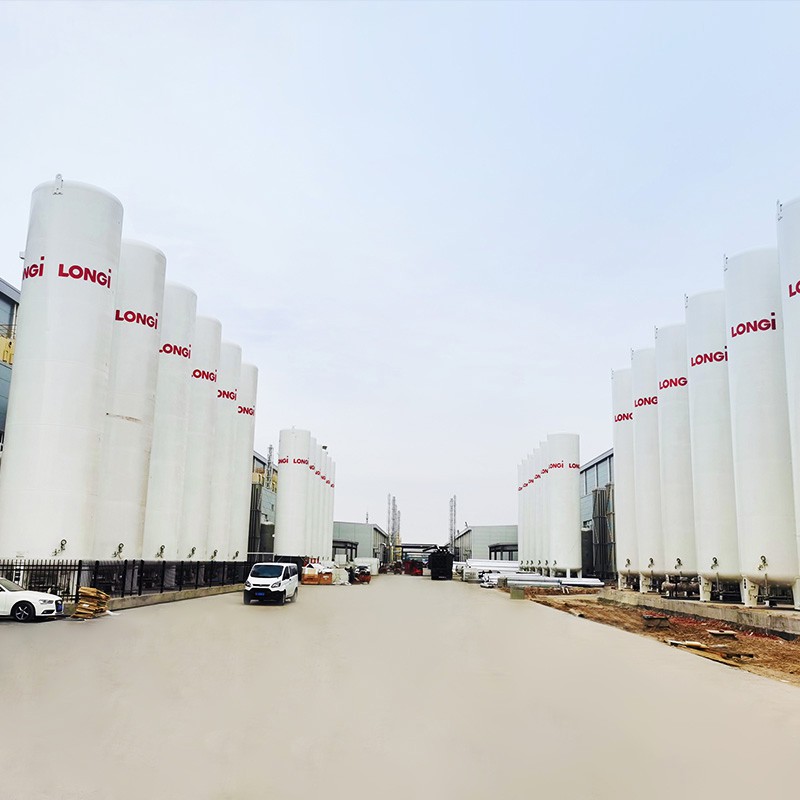
Bulk Liquid Storage vs. High-Pressure Cylinder Packs
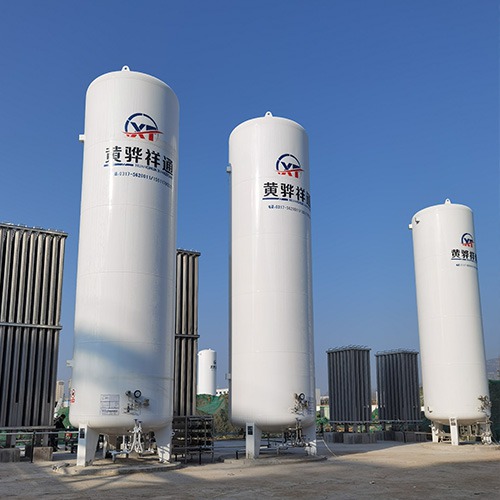
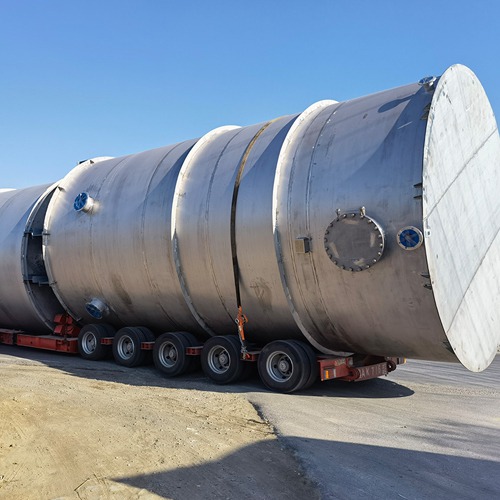
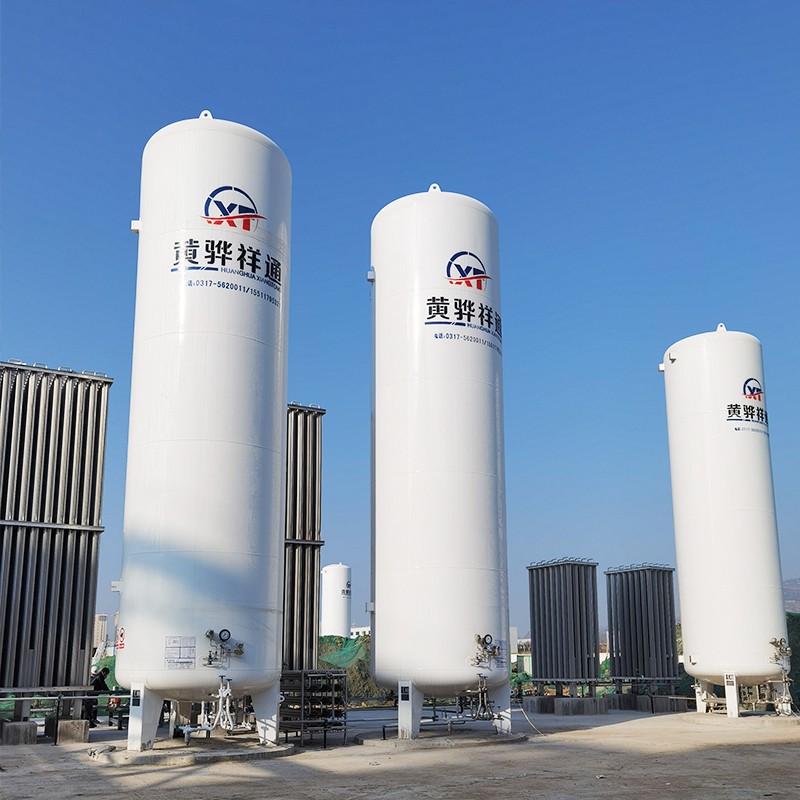
For facilities consuming industrial gases at any significant volume, the economics overwhelmingly favor bulk liquid storage over cylinder packs. A standard 230-liter liquid nitrogen dewar holds the equivalent of roughly 185 cubic meters of gas at atmospheric pressure. By comparison, a bank of high-pressure gas cylinders would require dozens of individual vessels to hold the same quantity, along with the associated manifold systems, handling equipment, and floor space. Bulk liquid storage tanks, whether vertical cylindrical vessels of 5,000 to 50,000 gallons or smaller horizontal tanks for lower-volume applications, offer a compact, self-contained solution that reduces delivery frequency, minimizes handling risk, and provides a buffer against supply disruptions. The transition from cylinder packs to bulk liquid storage typically delivers a 30 to 50 percent reduction in per-unit gas cost, a saving that pays for the tank investment within one to three years for most moderate-volume consumers.
Sizing the Right Storage System for Your Facility
Selecting the appropriate tank size involves balancing several competing factors. The tank must be large enough to hold a sufficient quantity of gas to maintain production between scheduled deliveries, which typically arrive on a weekly or biweekly cycle depending on the facility location and the gas supplier logistics network. At the same time, oversizing the tank increases the initial capital outlay and, for cryogenic products, the daily boil-off losses. A practical rule of thumb is to size the tank at 1.5 to 2 times the facility average weekly consumption. This provides a comfortable buffer against delivery delays, seasonal demand fluctuations, and planned maintenance periods without excessive capital expenditure. For operations with highly variable demand, such as seasonal food processing plants or batch-oriented chemical manufacturers, a modular approach using multiple smaller tanks rather than one large vessel can offer greater operational flexibility.
On-Site Gas Supply Infrastructure
A bulk liquid storage tank does not operate in isolation. It forms the centerpiece of an on-site gas supply infrastructure that includes vaporizers, pressure regulation stations, distribution piping, and often a backup system for critical applications. Ambient air vaporizers, the most common and least expensive type, use the surrounding air to warm liquid gas back into its gaseous state. These work well in most climates but can struggle in extreme cold weather, which is why facilities in northern latitudes often supplement ambient vaporizers with forced-draft electric or steam-heated units. The pressure regulation system downstream of the vaporizer must match the delivery pressure required by the process — typically between 30 and 150 pounds per square inch gauge for most industrial applications, but significantly higher for specialized processes like laser cutting or enhanced oil recovery. A knowledgeable storage tank manufacturer can assist with the design of this entire supply chain, ensuring that the tank, vaporizer, and piping systems are properly matched to the facility demand profile.
Safety Considerations for Industrial Gas Storage
Each industrial gas carries its own set of hazards. Liquid oxygen presents a severe fire risk because materials that burn slowly in air can ignite explosively in an oxygen-enriched atmosphere. Liquid nitrogen and liquid argon are both asphyxiants — they displace oxygen in enclosed spaces and can cause rapid loss of consciousness without warning. Proper facility design addresses these hazards through ventilation, oxygen deficiency monitoring, spacing and segregation requirements, and clearly marked restricted areas around the storage installation. The applicable standards vary by gas type and jurisdiction but generally include NFPA 55 for compressed gases and cryogenic fluids, OSHA 29 CFR 1910 for general workplace safety, and various CGA pamphlets for gas-specific guidance. Working with an experienced tank factory that understands these safety requirements ensures that the storage installation will meet regulatory expectations from day one.
Working with the Right Storage Tank Manufacturer
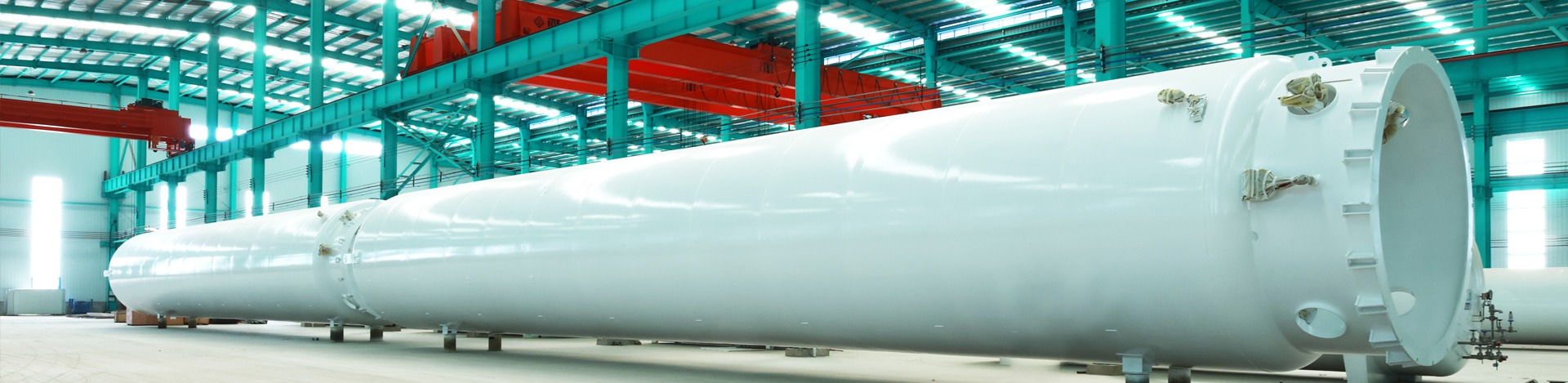
The choice of storage tank manufacturer matters more than many facility managers realize. Beyond the basic ability to fabricate a pressure vessel to the applicable code, the best manufacturers bring value through engineering support during the project planning phase, flexibility in accommodating site-specific requirements, and responsive after-sales service when issues arise. Look for manufacturers who hold the relevant pressure vessel certifications — A2 design and A1/A2 manufacturing licenses under Chinese standards, or ASME U and U2 stamps for projects governed by American codes — and who can demonstrate a history of supplying tanks for similar applications. Factory visits, when feasible, provide an opportunity to assess the quality of welding, the caliber of inspection equipment, and the overall professionalism of the production operation. A supplier who is willing to invest time in understanding your specific process requirements before submitting a proposal is far more likely to deliver a storage system that performs reliably over the long term.
Conclusion
Industrial gas storage is a critical enabling technology for modern manufacturing. From the initial decision between bulk liquid storage and cylinder packs through the detailed engineering of vaporization and distribution systems, each choice in the design process influences the safety, efficiency, and cost-effectiveness of the installation. Partnering with a qualified storage tank manufacturer who understands both the technical requirements and the practical realities of industrial gas supply provides the best foundation for a successful project.
References
NFPA 55: Compressed Gases and Cryogenic Fluids Code, 2023 Edition
CGA P-1: Safe Handling of Compressed Gases in Containers, Compressed Gas Association, 2020
OSHA 29 CFR 1910, Subpart H — Hazardous Materials, U.S. Department of Labor
CGA S-1.3: Pressure Relief Device Standards — Part 3: Compressed Gas Storage Containers, 2018
ASHRAE Handbook, Refrigeration, 2022 Edition, Chapter on Industrial Gas Systems