








Global Market Analysis for Low-Temperature Liquid Storage Equipment
Low-Temperature Liquid Storage Tanks in the Global Economy
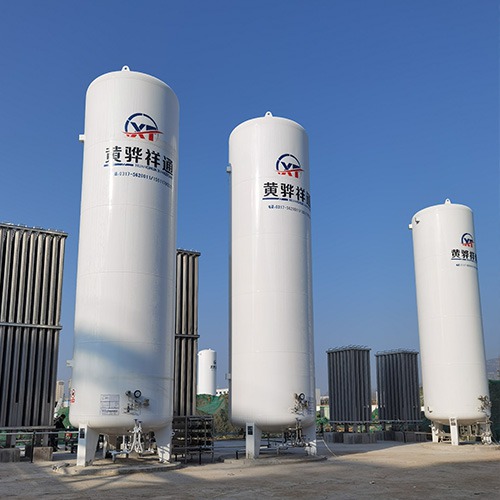
In an era of rapid industrial transformation, Low-temperature liquid storage tank infrastructure has become a critical backbone for supply chains involving liquefied gases, cryogenic fuels, and specialty chemical products. These storage systems are engineered to withstand extremely low temperatures while ensuring safety, efficiency, and stability throughout long-term operations.
As global demand accelerates for clean energy, industrial gas applications, and refrigerated logistics, comprehensive market analysis for low-temperature liquid storage equipment reveals not only rising capacity requirements but also key opportunities for manufacturer production expansion and scalable factory supply solutions.
This article deep-dives into the current global landscape, including key market drivers, regional insights, production technologies, challenges, and growth forecasts that every industry stakeholder should know.
1. Market Overview: Why Low-Temperature Liquid Storage Tanks Matter
Low-temperature liquids such as liquefied natural gas (LNG), liquid oxygen (LOX), liquid nitrogen (LIN), and other cryogenic fluids are foundational to energy, medical, aerospace, and industrial sectors. Storing these media safely requires highly specialized equipment:
·Cryogenic storage systems
·Vacuum-insulated tanks
·Double-walled containment vessels
·Advanced safety and monitoring systems
Across the world, industries are investing in low-temperature liquid storage tank solutions to support both existing infrastructure and new capacity. Growth in renewable energy, decentralized gas utility projects, and large-scale industrial parks continues to push global demand upward.
2. Key Market Drivers
2.1 Energy Transition and LNG
The global shift toward cleaner fuels is a major driver for low-temperature storage demand. LNG is rapidly replacing heavier fossil fuels in power generation, transportation, and shipping. This transition has led to:
·Expansion of LNG import terminals
·New LNG bunkering facilities
·Cold-chain logistics hubs
This growth directly boosts demand for robust low-temperature liquid storage tanks, with an emphasis on high efficiency, low boil-off rates, and long lifecycle performance.
2.2 Industrial Gas Expansion
Industrial gases like oxygen, nitrogen, and argon are essential in healthcare, manufacturing, and metallurgy. The need for high-purity storage solutions drives investment in cryogenic tanks capable of:
·Ultra-low temperature containment
·Precision pressure control
·Safety compliance with international standards
State-of-the-art manufacturing and factory production technologies help maintain consistent quality and regulatory compliance at scale.
3. Regional Market Insights
3.1 Asia-Pacific Leads Growth
The Asia-Pacific region has emerged as the fastest-growing market for low-temperature liquid storage equipment due to:
·Large industrial bases in China, India, and Southeast Asia
·Rising LNG import infrastructure
·Government clean energy initiatives
Manufacturers in Asia-Pacific are scaling up production capabilities and factory supply chains to serve both domestic and export demand. High-capacity cryogenic tank factories are being commissioned to meet large bulk orders from utilities and industrial players.
3.2 North America’s Mature Market Dynamics
In North America, established infrastructure for LNG and industrial gases supports stable demand. The U.S. and Canada continue to optimize existing storage networks while integrating advanced monitoring and safety technologies.
North America’s market emphasizes innovation in materials science, digital sensors, and predictive maintenance systems for low-temperature liquid storage tanks.
3.3 Europe’s Transition to Energy Efficiency
Europe’s energy landscape is driven by decarbonization goals, creating demand for renewable gas storage and cold-chain equipment. European market players focus on:
·Modular tank systems
·Low-emission manufacturing processes
·Retrofitting legacy storage facilities
Manufacturers in Europe differentiate through advanced engineering, sustainability practices, and cross-border logistics networks.
4. Technological Trends Shaping the Market
4.1 Advanced Materials and Insulation
Innovations in insulation materials, such as multilayer vacuum insulation and composite linings, reduce heat ingress and energy loss. As thermal performance improves, so does operational safety and efficiency.
Material science advancements also enable lighter, more durable tanks that reduce installation costs and extend service life.
4.2 Digital and Smart Monitoring Systems
The integration of IoT sensors and cloud-connected monitoring platforms enhances real-time tracking of:
·Temperature gradients
·Tank pressure
·Boil-off gas behavior
·Structural health indicators
Smart systems improve predictive maintenance and minimize downtime—key advantages for large-scale industrial users.
5. Competitive Landscape and Supply Chain Considerations
The global market comprises a mix of large and medium-scale manufacturers, specialized fabrication facilities, and modular solution providers. Key competitive factors include:
·Technical expertise in cryogenic design
·Factory quality control and production standardization
·Bulk supply and delivery logistics
·After-sales support and maintenance services
Manufacturers that can provide end-to-end solutions—from design and production to installation and lifecycle support—stand out in the global market.
6. Challenges and Barriers to Growth
Despite positive growth trajectories, several challenges persist:
·High capital investment required for advanced manufacturing
·Regulatory barriers across different regions
·Supply chain disruptions for critical materials
·Skilled labor shortages in specialized fabrication
Mitigating these challenges requires collaborative efforts among manufacturers, suppliers, and end-users to optimize production workflows and improve resilience in factory supply networks.
7. Future Outlook and Growth Opportunities
Looking ahead, the global low-temperature liquid storage tank market is poised for steady expansion, driven by:
·Ongoing LNG infrastructure projects
·Rising industrial gas demand
·Expansion of cold-chain logistics
·Advances in energy storage technologies
New market opportunities include floating storage solutions, modular cryogenic systems for remote sites, and specialized tanks for hydrogen and renewable gas applications.
Conclusion: Strategic Importance of Low-Temperature Liquid Storage Tanks
The global market for low-temperature liquid storage tank equipment is at the intersection of energy transition, industrial growth, and advanced manufacturing innovation. As demand grows across Asia-Pacific, North America, and Europe, key trends such as digital monitoring, advanced materials, and scalable factory production are reshaping competitive dynamics.
For industry stakeholders, understanding regional demand profiles, technological trends, and supply chain strategies is essential. Manufacturers and production facilities that can deliver high-quality, compliant, and factory-ready solutions will lead the next wave of global growth.
By staying informed on market analysis and aligning production capabilities with future needs, the industry can support safer, more efficient, and resilient low-temperature liquid storage infrastructure worldwide.
References
GB/T 7714:Yin L, Yang H, Ju Y. Review on the key technologies and future development of insulation structure for liquid hydrogen storage tanks[J]. International Journal of Hydrogen Energy, 2024, 57: 1302-1315.
MLA:Yin, Liang, Haonan Yang, and Yonglin Ju. "Review on the key technologies and future development of insulation structure for liquid hydrogen storage tanks." International Journal of Hydrogen Energy 57 (2024): 1302-1315.
APA:Yin, L., Yang, H., & Ju, Y. (2024). Review on the key technologies and future development of insulation structure for liquid hydrogen storage tanks. International Journal of Hydrogen Energy, 57, 1302-1315.