








Fuel Storage Tank: Types, Applications, and Key Safety Considerations in Industrial Use
Fuel storage tanks play an indispensable role in modern industries, ensuring a safe, stable, and efficient fuel supply for daily operations. From manufacturing facilities and construction sites to agricultural operations and energy plants, these tanks are essential for storing diesel, gasoline, biodiesel, and other liquid fuels. In this article, we will examine the main types of fuel storage tanks, their industrial applications, and the key safety considerations that every operator must be familiar with.


What Is a Fuel Storage Tank?
A fuel storage tank is a specially designed container intended for the safe long-term storage of flammable or combustible liquids. These tanks are engineered with appropriate materials and safety features to prevent leakage, evaporation, and contamination. They are widely utilized in industries where a continuous fuel supply is necessary to power machinery, generators, vehicles, and heating systems.
Main Types of Fuel Storage Tanks
Fuel storage tanks come in various designs, depending on their capacity, installation location, and specific application requirements.
1. Aboveground Storage Tanks (AST)
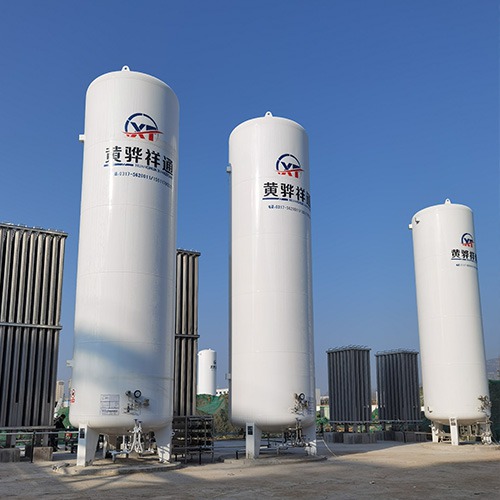
Aboveground tanks are installed on the ground surface, making them easy to inspect and maintain. Key advantages:
Convenient access for inspection and cleaning
Lower installation costs compared to underground alternatives
Quicker detection of leaks and potential issues
Common applications:
Construction sites
Industrial plants
Emergency backup fuel storage systems
2. Underground Storage Tanks (UST)
These tanks are buried beneath the ground to save space and reduce exposure to external risks. Key advantages:
Space-saving design, ideal for areas with limited surface space
Reduced visual impact on the surrounding environment
Stable temperature conditions, minimizing fuel evaporation
Common applications:
Gas stations
Airports
Large-scale fuel distribution systems
3. Double-Wall Storage Tanks
These tanks feature both an inner and outer layer, providing enhanced safety and protection. Key advantages:
Extra protection against leaks and spills
Higher environmental safety standards
Compliance with strict industry regulations
Common applications:
Chemical plants
Environmentally sensitive areas
High-risk fuel storage zones
4. Portable Fuel Tanks
Portable tanks are designed for mobility and temporary fuel storage needs. Key advantages:
Easy to transport between different locations
Flexible usage for varying needs
Ideal for remote operations with no fixed fuel infrastructure
Common applications:
Mining sites
Agricultural machinery refueling
Construction equipment fuel supply
Industrial Applications of Fuel Storage Tanks
Fuel storage tanks are widely used across a diverse range of industries, including:
Manufacturing Industry
Factories depend on fuel tanks to power generators and heavy machinery, ensuring uninterrupted production processes.
Construction Industry
Construction sites often operate in areas without stable fuel infrastructure, making on-site fuel storage a necessity.
Agriculture
Farm equipment such as tractors, harvesters, and irrigation systems require a reliable and convenient fuel supply.
Energy and Power Generation
Power plants and backup generator systems rely on large-scale fuel storage to maintain continuous operation, especially during power outages.
Transportation and Logistics
Airports, shipping ports, and trucking depots use fuel tanks to support their fleet operations and ensure smooth logistics.
Key Safety Considerations
Since fuel is highly flammable, safety is the top priority in the design and operation of fuel storage tanks.
1. Leak Prevention
Regular inspections and the use of double-wall structures help prevent environmental contamination and reduce fire hazards.
2. Proper Ventilation
Tanks must be equipped with effective ventilation systems to avoid pressure buildup and the accumulation of flammable vapors.
3. Fire Protection Systems
Many industrial fuel tanks are equipped with fire suppression systems, grounding systems, and explosion-proof components to mitigate fire risks.
4. Corrosion Resistance
High-quality materials, such as carbon steel with protective coatings or stainless steel, are used to prevent corrosion and extend the tank’s service life.
5. Regulatory Compliance
Fuel storage operations must adhere to local and international standards to ensure safe handling, installation, and operation.
How to Choose the Right Fuel Storage Tank
When selecting a fuel storage tank, consider the following key factors:
Storage capacity requirements based on usage and demand
The type of fuel to be stored (e.g., diesel, gasoline, biodiesel)
Installation environment (aboveground, underground, or portable)
Safety regulations and standards in your region
Budget constraints and long-term maintenance needs
Choosing the right tank ensures not only operational efficiency but also long-term safety and cost savings.
Conclusion
Fuel storage tanks are essential infrastructure for many industries, supporting continuous operations and a reliable energy supply. Understanding the different types of tanks, their applications, and safety requirements helps businesses select the most suitable solution for their specific needs. Whether for industrial, agricultural, or commercial use, investing in a high-quality fuel storage tank is a crucial step toward safer and more efficient fuel management.
References
GB/T 7714:Types and Applications of Fuel Storage Tanks in Modern Industry. Journal of Industrial Safety
MLA:Selection Criteria for Fuel Storage Tanks in Different Industrial Scenarios. Journal of Industrial Equipment
APA:Portable Fuel Storage Tanks: Design and Application in Remote Industrial Operations. Journal of Industrial Logistics