








Ensuring Safety in Petrochemical Storage: Tank Design and Compliance
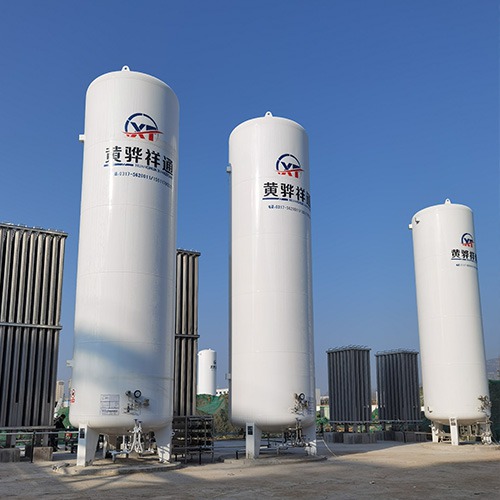
Petrochemical storage tanks are critical components in the chemical and energy industries. They store flammable and hazardous materials that require stringent safety measures. Proper tank design and compliance with regulations are essential to prevent accidents, environmental damage, and financial losses.
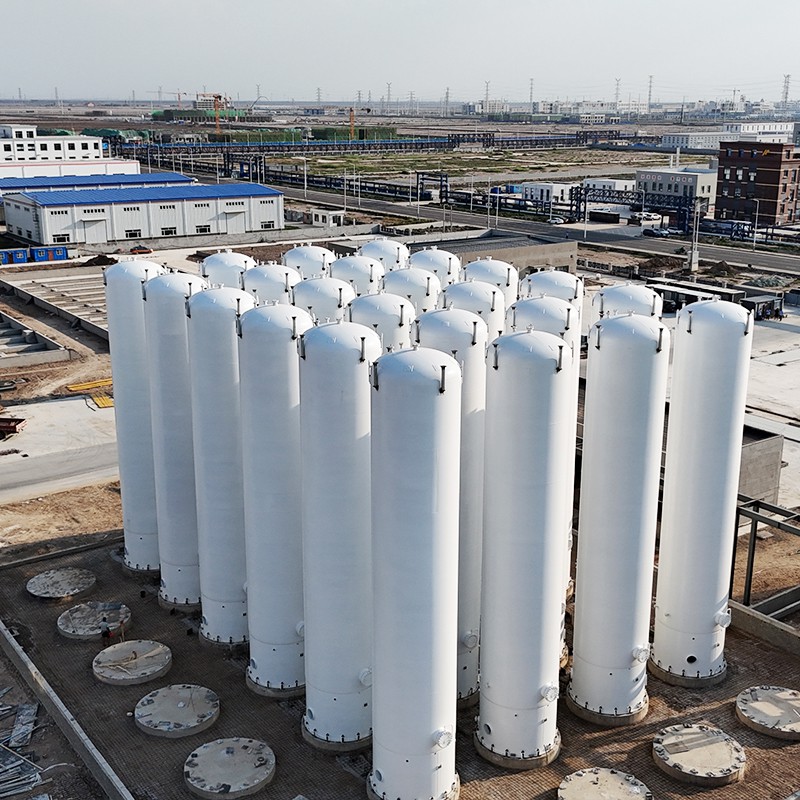
1. Types of Petrochemical Storage Tanks
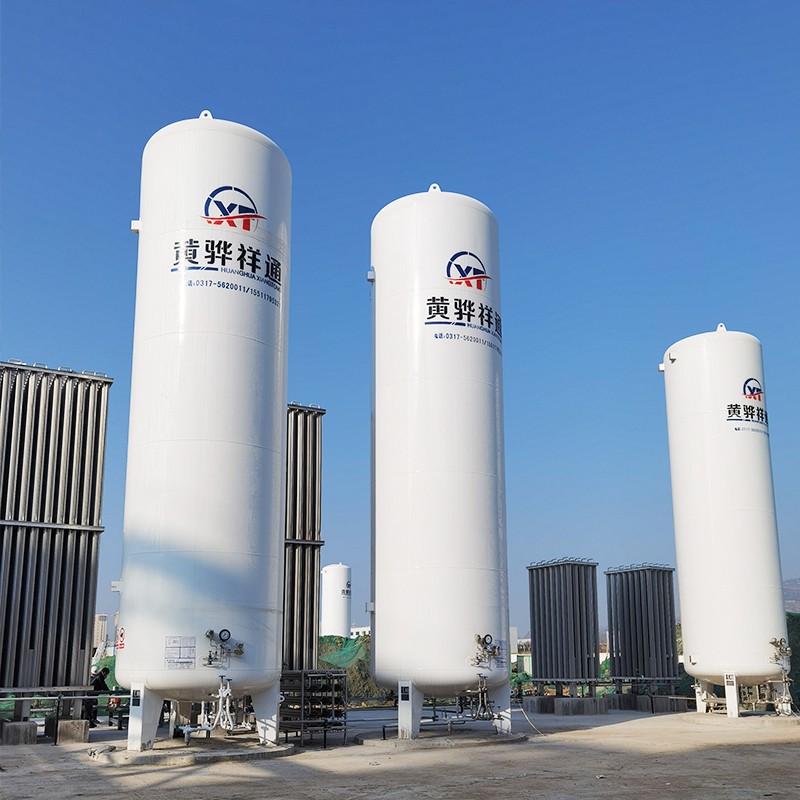
Petrochemical storage tanks vary by design, material, and purpose. The main types include:
1.1. Fixed Roof Tanks
Typically used for liquids with low volatility.
Constructed with a permanent roof and designed for large storage volumes.
1.2. Floating Roof Tanks
Ideal for volatile liquids such as crude oil and petrochemicals.
The floating roof moves with liquid level, reducing vapor emissions and fire risk.
1.3. Pressurized Tanks
Designed for storing gases or liquids under pressure.
Made from high-strength steel with pressure-relief valves.
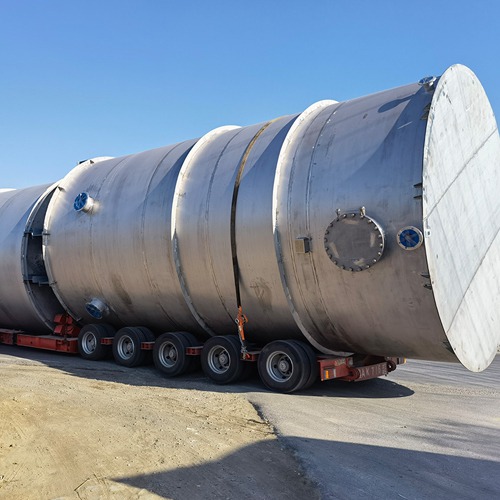
1.4. Modular and Mobile Tanks
Portable solutions for temporary storage or transport.
Require strict monitoring due to potential pressure or leak hazards.
2. Key Safety Considerations
Safety is paramount in petrochemical storage. Tank design and operational measures include:
2.1. Material Selection
Tanks must resist corrosion and chemical reactions with stored materials.
Stainless steel, carbon steel, and coated metals are commonly used.
2.2. Pressure and Temperature Management
Proper monitoring ensures safe operation.
Safety valves and automated pressure relief systems prevent overpressure accidents.
2.3. Leak Detection and Prevention
Petrochemical leaks can cause fires, explosions, and environmental harm.
Sensors, alarms, and regular inspections are essential.
2.4. Fire and Explosion Protection
Fire suppression systems and proper spacing reduce risk.
Grounding and lightning protection prevent static-induced fires.
2.5. Regulatory Compliance
Tanks must meet international and local standards such as API, ASME, and ISO.
Proper labeling, documentation, and operator training ensure legal and safe operations.
3. Maintenance and Operational Best Practices
Conduct regular inspections of welds, valves, and coatings.
Schedule preventive maintenance to detect corrosion or wear early.
Train operators in emergency response procedures.
Implement robust record-keeping to track maintenance and compliance.
4. Choosing the Right Petrochemical Storage Tank
When selecting a storage tank, consider:
·Type and volatility of stored material
·Storage volume and industrial requirements
·Regulatory compliance and local safety laws
·Maintenance capabilities and cost-effectiveness
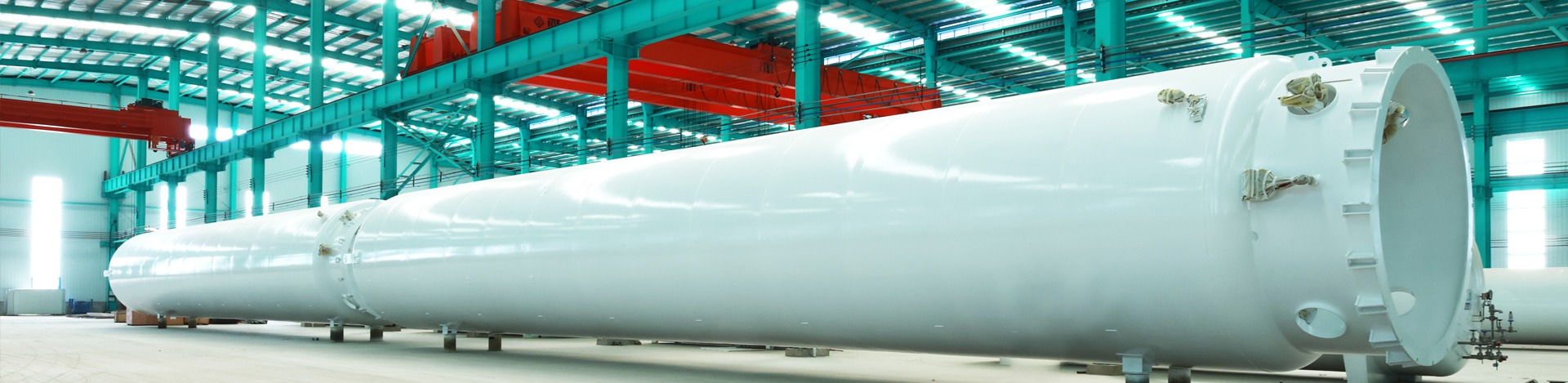
Working with a reputable manufacturer ensures tanks meet all safety and operational standards.
Conclusion
Ensuring safety in petrochemical storage requires a combination of proper tank design, material selection, and regulatory compliance. By following best practices, companies can minimize risks, protect the environment, and maintain reliable operations.
Call-to-Action (for independent site)
Looking for safe and reliable petrochemical storage tanks?Our tanks are engineered for safety, durability, and compliance. Contact us today to get a quote and ensure efficient and secure storage solutions for your operations!
References
GB/T 7714:Probability risk analysis of petrochemical storage tank areas considering the coupling effect of accident factors. J. Loss Prevention in the Process Industries
MLA:Discussion on safety protection measures of light naphtha storage tank. J. Chem. Eng
APA:Structural health monitoring of chemical storage tanks with application of PZT sensors. (2021). Sensors.