


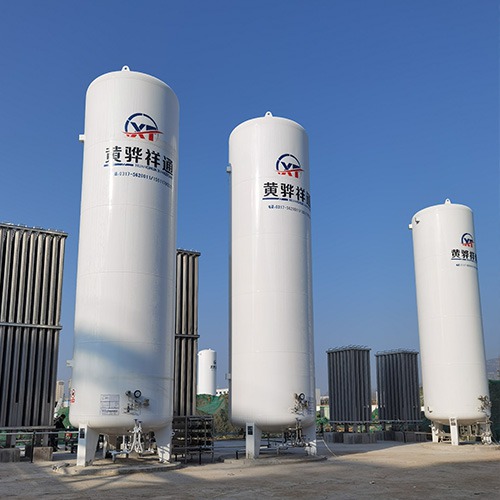
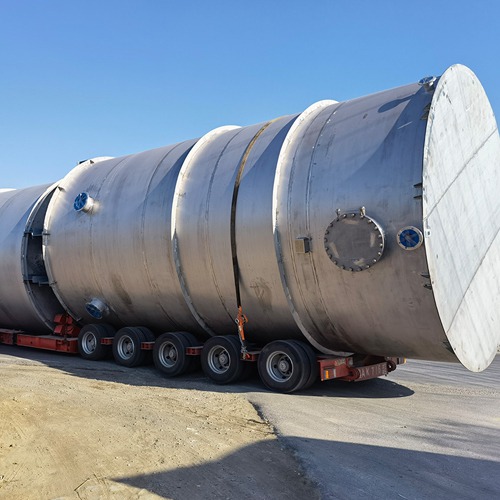





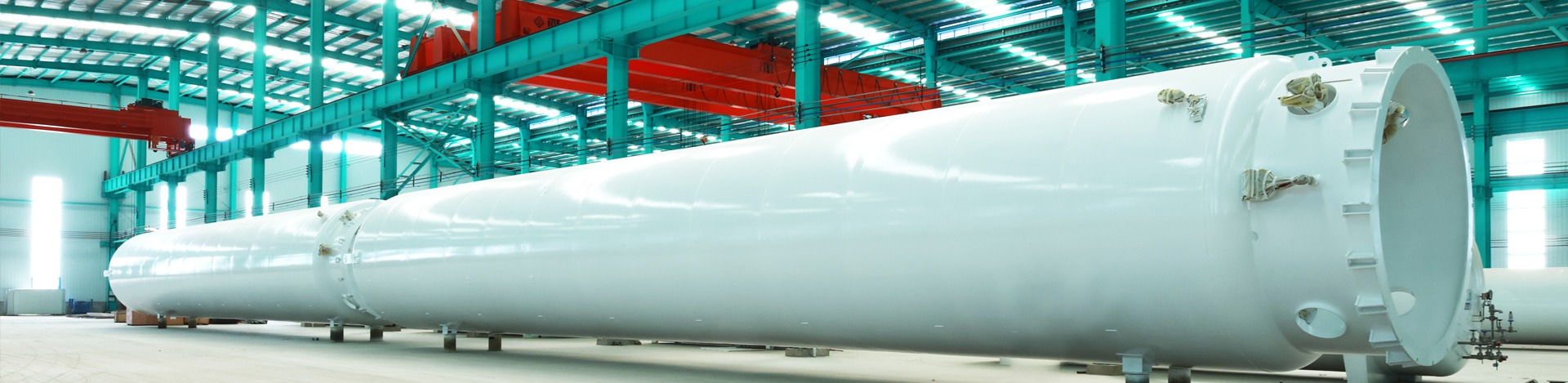

Custom Industrial Storage Tanks for Chemical and Oil Storage Applications
In sectors like petrochemicals, energy production, pharmaceuticals, and manufacturing, the secure and efficient storage of liquids is a cornerstone of seamless operational processes. Custom industrial storage tanks are specifically engineered to cater to the unique demands of storing chemicals and oil products, delivering superior safety, durability, and performance when compared to standard, off-the-shelf tank solutions.
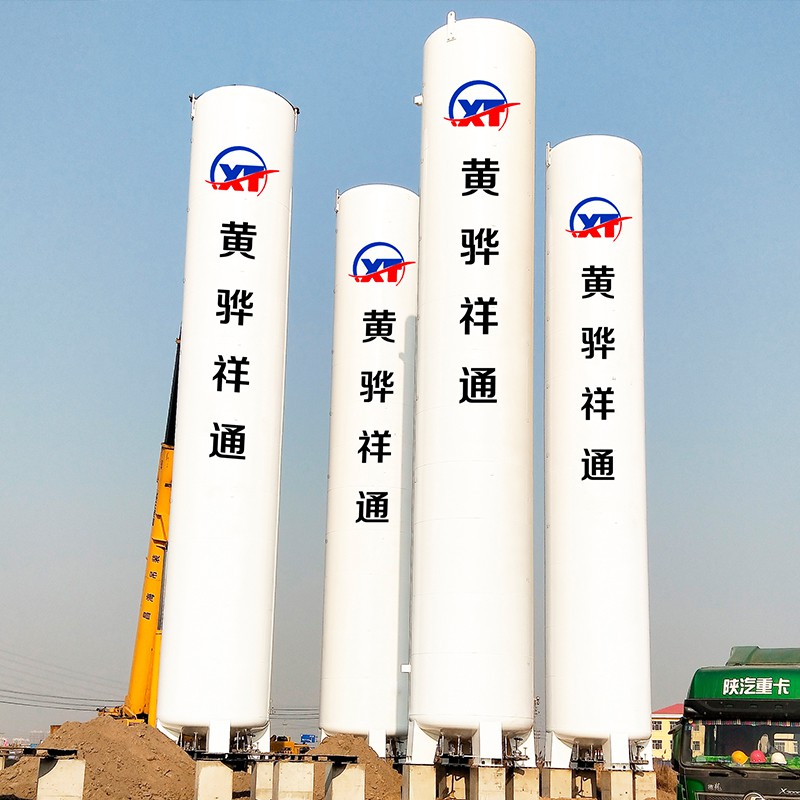
What Are Custom Industrial Storage Tanks?
Custom industrial storage tanks are purpose-designed containers crafted to align with the specific needs of individual projects. Unlike pre-manufactured, off-the-shelf tanks, these systems are customized based on a range of critical factors:
Type of stored medium (including crude oil, refined fuels, acids, solvents, and other industrial liquids)
Required storage capacity and volume specifications
Operating pressure and temperature parameters
On-site conditions and installation environment (indoor, outdoor, seismic zones, etc.)
Relevant industry standards and regulatory compliance requirements
These tanks are extensively utilized in refineries, chemical processing plants, tank farms, and various industrial processing facilities, serving as a reliable storage solution for diverse liquid products.
Applications in Chemical Storage
Chemical storage poses unique challenges, primarily due to the corrosive, toxic, or reactive characteristics of many chemical substances. Custom industrial storage tanks are engineered to address these challenges effectively. Common Chemicals Stored:
Acids (such as sulfuric acid and hydrochloric acid)
Alkalis (including sodium hydroxide)
Organic solvents
Industrial reagents and specialty chemicals
Key Design Features for Chemical Storage Tanks:
Corrosion-resistant materials (stainless steel, fiberglass-reinforced plastic (FRP), and lined carbon steel)
Internal coatings or linings to ensure compatibility with stored chemicals
Leak-proof welding techniques and high-integrity sealing systems
Ventilation and vapor control systems to manage harmful fumes
Custom chemical storage tanks guarantee the safe containment of hazardous substances while preserving the purity and stability of the stored chemicals.
Applications in Oil Storage
Oil storage tanks are indispensable for upstream, midstream, and downstream operations within the petroleum industry, facilitating the storage of various oil products throughout the supply chain. Types of Oil Stored:
Crude oil (unrefined petroleum)
Refined fuels (diesel, gasoline, and jet fuel)
Lubricants and hydraulic oils
Heavy fuel oil and residual fuels
Common Tank Configurations for Oil Storage:
Fixed roof tanks (for small to medium storage capacities)
Floating roof tanks (designed to minimize vapor loss and reduce environmental impact)
Horizontal storage tanks (ideal for limited space and smaller volume requirements)
Large-scale tank farms (for bulk oil storage and distribution)
Key Features of Oil Storage Tanks:
High structural strength to accommodate large storage capacities
Anti-corrosion coatings and cathodic protection systems to prevent rust and degradation
Fire-resistant design to mitigate fire risks associated with flammable oil products
Vapor recovery systems to capture and reuse volatile organic compounds (VOCs)
Custom designs enable operators to maximize storage efficiency while adhering to strict environmental regulations and safety standards.
Materials Used in Custom Storage Tanks
Selecting the appropriate material is a critical factor in ensuring the performance, safety, and lifespan of custom industrial storage tanks. The choice of material is determined by the properties of the stored substance and the operating conditions. Common Materials for Custom Storage Tanks:
Carbon Steel – A cost-effective option widely used for storing oil and non-corrosive liquids
Stainless Steel – Offers excellent corrosion resistance, making it ideal for chemical storage
Fiberglass Reinforced Plastic (FRP) – Lightweight, highly corrosion-resistant, and suitable for aggressive chemicals
Special Alloys – Utilized for extreme temperature conditions or highly reactive substances that require enhanced durability
Material selection is closely tied to the chemical properties of the stored medium, operating pressure, temperature, and environmental factors.
Advantages of Custom Industrial Storage Tanks
1. Enhanced Safety
Custom tanks are designed to address the specific hazards of the stored materials, significantly reducing the risk of leaks, spills, and potential accidents.
2. Improved Efficiency
Optimized capacity and layout designs enhance space utilization, streamline operational workflows, and improve overall storage efficiency.
3. Long Service Life
The use of high-quality materials and protective coatings ensures durability, even in harsh industrial environments, extending the tank’s operational lifespan.
4. Regulatory Compliance
Custom tanks can be engineered to meet international standards such as ASME, API, and ISO, ensuring full compliance with industry regulations and safety guidelines.
5. Flexible Design Options
Custom tanks are available in various configurations, including vertical, horizontal, underground, or above-ground, allowing adaptation to diverse site conditions and operational needs.
Key Design Considerations
When designing custom industrial storage tanks, several critical factors must be carefully evaluated to ensure optimal performance and safety:
Chemical compatibility and corrosion resistance to prevent material degradation
Required storage capacity and scalability for future expansion
Operating pressure and temperature conditions to ensure structural integrity
Environmental factors (wind loads, seismic activity, and climate conditions)
Safety systems (fire protection, leak detection, and emergency shutdown mechanisms)
Collaborating with experienced engineers and manufacturers ensures that the tank design is optimized for the specific application and meets all regulatory requirements.
Maintenance and Inspection
Regular maintenance and inspection are essential to ensure the safe, reliable, and long-term operation of custom industrial storage tanks. Adopting best practices in maintenance helps prevent costly failures and minimize downtime. Maintenance and Inspection Best Practices:
Routine visual inspections and scheduled cleaning to remove deposits and contaminants
Non-destructive testing (NDT) to assess structural integrity without damaging the tank
Regular maintenance of coatings and linings to maintain corrosion resistance
Continuous monitoring for signs of corrosion, structural damage, or leaks
Conclusion
Custom industrial storage tanks for chemical and oil storage applications are vital components of modern industrial infrastructure. Their ability to be tailored to specific materials, operational conditions, and site requirements ensures higher levels of safety, efficiency, and reliability compared to standard tank solutions. Whether storing hazardous chemicals, crude oil, or refined petroleum products, investing in custom-designed storage tanks is a strategic decision that supports long-term operational success, regulatory compliance, and risk mitigation.
References
GB/T 7714:Design and Application of Custom Industrial Storage Tanks for Chemical Storage[J]. Journal of Industrial Equipment
MLA:Key Design Considerations for Custom Chemical Storage Tanks[J]. Chemical Engineering and Technology
APA:Compliance of Custom Storage Tanks with ASME and API Standards[J]. Industrial Standards and Quality Control