








Cryogenic Tank Transportation and Installation Best Practices
Building a high-quality cryogenic storage tank is only half the battle. Getting it safely from the factory to the installation site and setting it up correctly requires careful planning, specialized equipment, and adherence to best practices that protect both the vessel and the people handling it. Mistakes during transportation or installation can compromise vacuum integrity, damage internal components, or create safety hazards that shorten the service life of the tank. Understanding these procedures helps buyers coordinate effectively with their supplier and avoid costly setbacks.
Pre-Shipment Preparation at the Factory
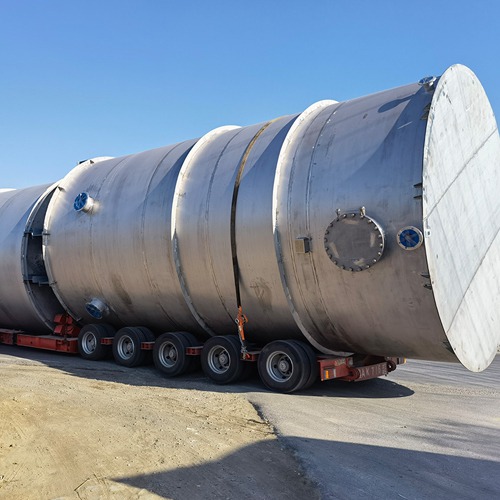
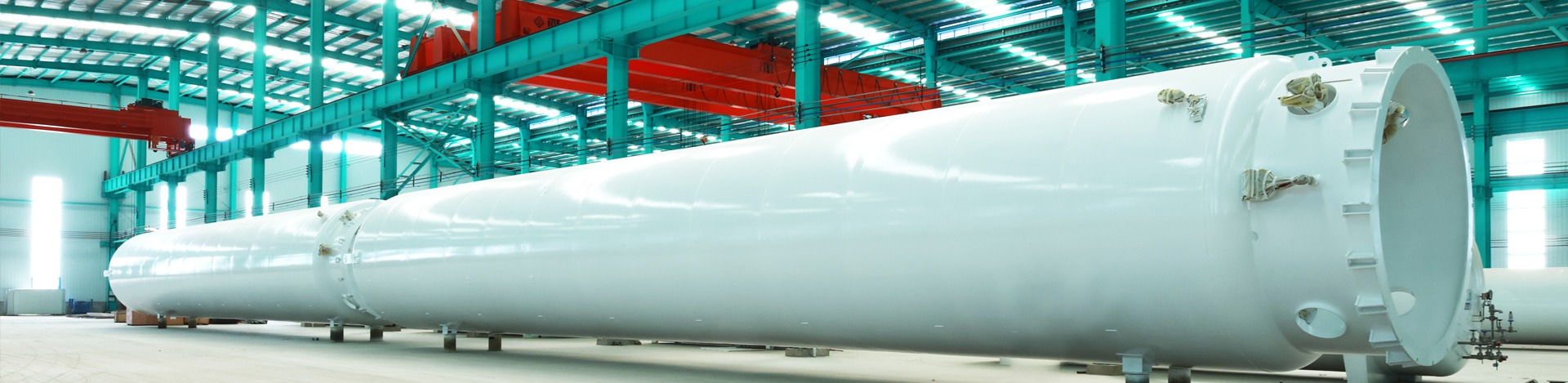
Before a cryogenic tank leaves the manufacturing facility, it undergoes a series of preparations designed to protect it during transit. All openings are sealed with blind flanges or shipping covers to prevent moisture and contaminants from entering the vessel. The annular vacuum space is verified to ensure it meets specification. Lifting lugs and shipping saddles are inspected, and the tank is secured to the transport trailer using chains or straps at designated tie-down points. A professional manufacturer provides detailed shipping documentation, including weight, dimensions, and center of gravity information essential for route planning.
Route Planning and Transport Logistics
Large cryogenic tanks are classified as oversized loads, requiring special permits and escort vehicles on many road networks. Route planning must account for bridge weight limits, overhead clearance restrictions, and road conditions. Sharp turns and steep gradients should be avoided where possible. The transport team coordinates with local authorities to obtain the necessary permits and schedules the move during off-peak hours to minimize traffic disruption. A reliable supplier assists with logistics planning, drawing on experience from hundreds of previous deliveries.
Lifting and Rigging Procedures
Once the tank arrives at the site, it must be lifted from the trailer and positioned on its foundation. This operation demands precision and strict adherence to the manufacturer's lifting instructions. Only the designated lifting lugs should be used—never attach rigging to nozzles, pipes, or other attachments. Spreaders may be required to prevent sling angles from exceeding the specified limits. The lifting operation should be supervised by a competent person, and weather conditions must be evaluated, as high winds create dangerous situations when handling large, relatively lightweight structures.
Foundation Readiness and Site Preparation
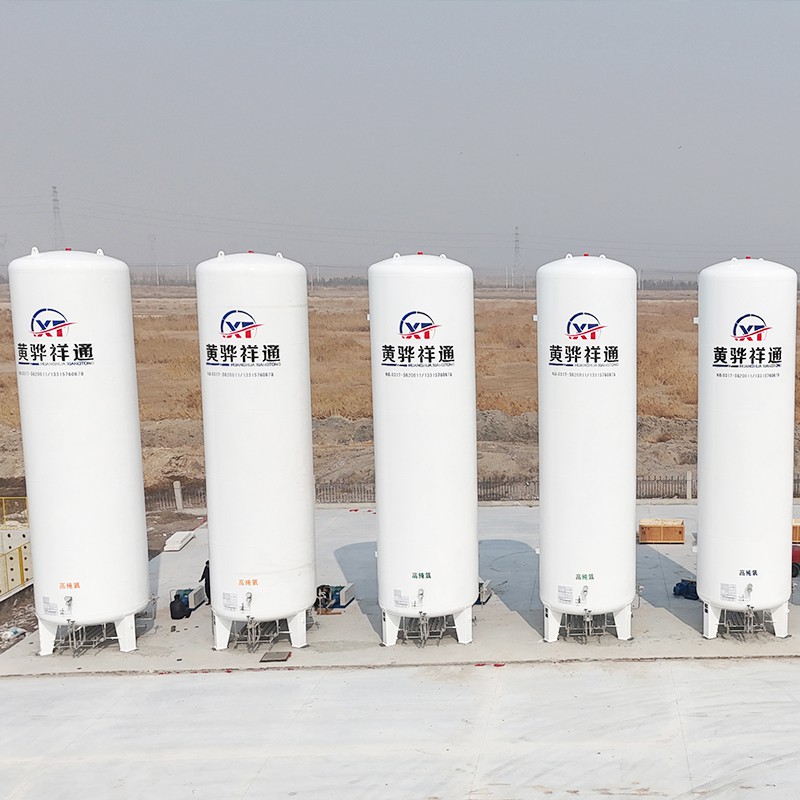
The foundation must be complete and cured before the tank arrives. For cryogenic service, foundations often include features to prevent frost heave, such as elevated platforms with ventilation openings or embedded heating elements. The foundation surface must be level within the tolerances specified by the manufacturer. Anchor bolt positions should match the tank base ring exactly. Site preparation also includes ensuring adequate clearance around the tank for future maintenance access and the routing of piping, electrical conduits, and instrumentation cables.
Post-Installation Inspection and Commissioning
After the tank is set on its foundation and anchored, a thorough inspection checks for any damage sustained during transit. The vacuum in the annular space is re-verified. Piping connections are made using procedures that account for thermal contraction during cooldown. Pressure relief devices are installed and tested. The commissioning process includes a controlled cooldown using nitrogen or the product gas itself, with temperature and pressure closely monitored throughout. A manufacturer that provides on-site technical support during commissioning adds significant value, helping to identify and resolve issues before they affect operations.
Conclusion
Transporting and installing a cryogenic storage tank is a complex operation that rewards careful preparation and experienced execution. By following best practices and working closely with the tank manufacturer, buyers can ensure that their investment arrives safely and begins its service life on a solid foundation. Proper installation is the starting point for years of reliable, trouble-free operation.
References:
ASME B30.20, Below-the-Hook Lifting Devices
OSHA 29 CFR 1926, Safety and Health Regulations for Construction
CGA P-16, Recommended Procedures for Bulk Liquid Transfer, Compressed Gas Association