








Cryogenic Storage Tank Manufacturing Process and Quality Control
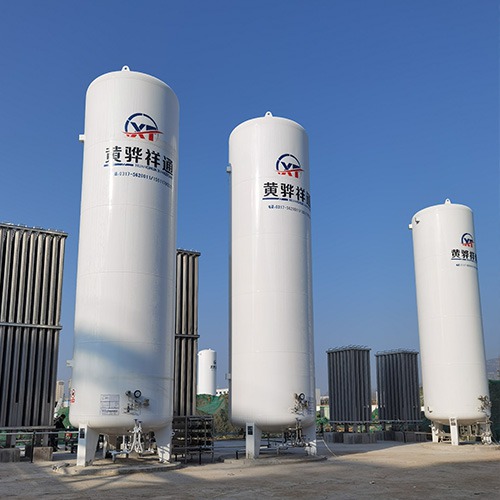
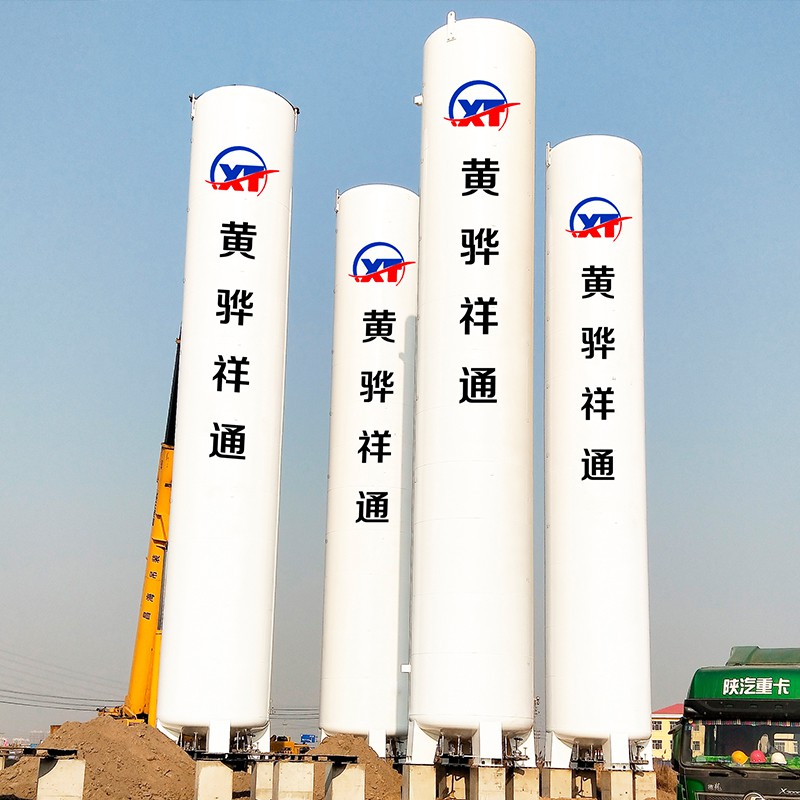
Cryogenic storage tanks play a critical role in industries that handle liquefied gases at extremely low temperatures. From LNG reserves to industrial gas filling stations, these vessels must be built to withstand thermal stress, internal pressure, and long-term exposure to sub-zero conditions. Understanding how a reputable manufacturer approaches the production of these tanks sheds light on why quality control is not just a procedure but a fundamental requirement for operational safety.
Raw Material Selection and Inspection
The foundation of any cryogenic storage tank begins with the selection of appropriate materials. Low-temperature service demands steels that retain toughness at temperatures as low as -196 degrees Celsius. Common choices include austenitic stainless steel and nickel-based alloy steel plates. Upon arrival at the factory, every batch of raw material undergoes rigorous inspection. Ultrasonic testing detects internal flaws, while chemical composition analysis verifies that the steel meets the required specifications. A qualified supplier will reject any material that falls short, ensuring that only compliant steel enters the production line.
Design and Engineering Standards
Before fabrication starts, engineers develop detailed drawings based on international standards such as ASME Section VIII and GB 150. The design phase accounts for operating pressure, temperature differentials, wind loads, and seismic activity. Finite element analysis is frequently employed to simulate stress distribution across the tank shell and heads. Manufacturers holding A1 and A2 pressure vessel design licenses follow strict guidelines, with every calculation reviewed and approved by certified senior engineers.
Fabrication and Welding Procedures
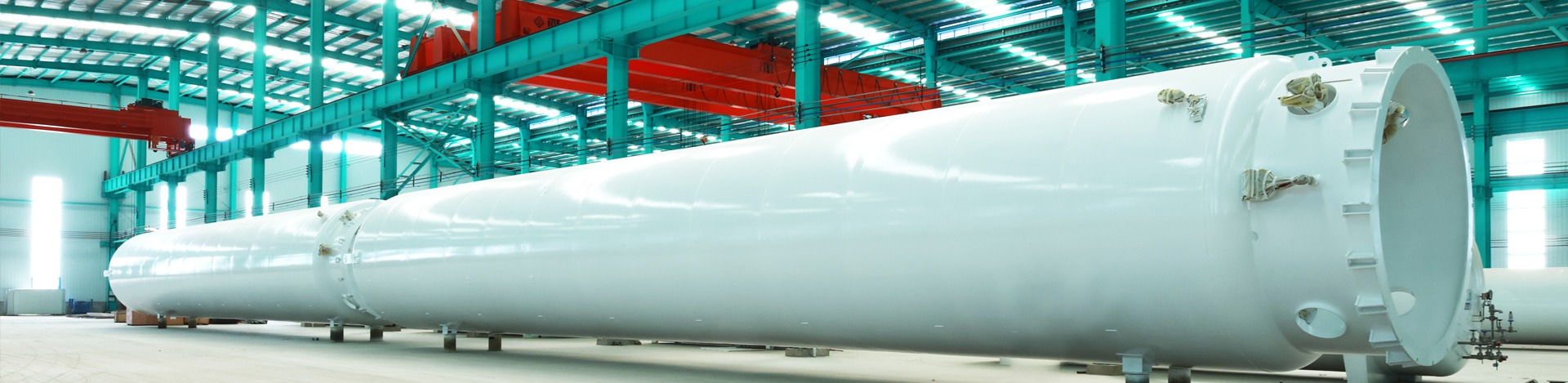
Once the design is finalized, steel plates are cut, rolled, and formed into the cylindrical shell and dished heads. Welding is the most critical step in the entire process. Qualified welders use procedures that have been tested and approved for cryogenic service. Each weld joint is subject to non-destructive testing, including radiographic examination and ultrasonic inspection, to confirm complete penetration and absence of defects. The factory maintains detailed welding procedure specifications and welder qualification records to ensure traceability.
Post-Weld Heat Treatment and Surface Finishing
After welding, certain tanks require post-weld heat treatment to relieve residual stresses that could compromise structural integrity at low temperatures. This step is carefully controlled using programmable furnaces with continuous temperature monitoring. Surface preparation follows, including abrasive blasting and the application of protective coatings designed to prevent corrosion and maintain thermal insulation performance.
Hydrostatic Testing and Final Inspection
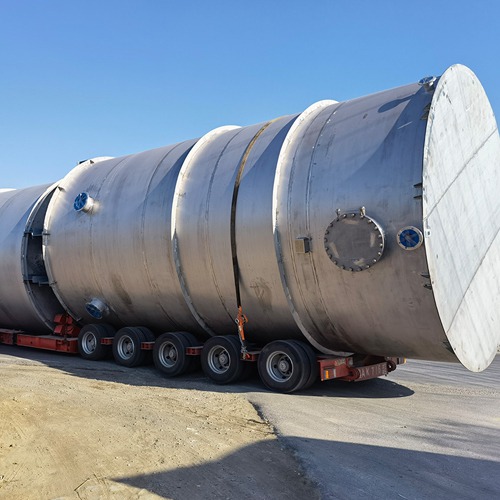
Every completed tank undergoes hydrostatic testing at a pressure exceeding the design value. This test confirms that the vessel holds pressure without leakage or unacceptable deformation. The quality assurance team then performs a comprehensive final inspection, checking dimensions, nozzle orientations, and accessory installations. Only after passing all checks does the tank receive its certification and approval for shipment.
Conclusion
The manufacturing of cryogenic storage tanks is a process that leaves no room for shortcuts. From material selection through final inspection, each stage reflects the commitment of a professional manufacturer to deliver safe, reliable, and code-compliant vessels. Choosing an experienced factory with proven quality systems is the most effective way to ensure long-term performance in demanding cryogenic applications.
References:
ASME Boiler and Pressure Vessel Code, Section VIII, Division 1
GB 150-2011 Pressure Vessels, National Standard of the People's Republic of China
CGA P-28, Safe Practice Guide for Cryogenic Liquid Transfer, Compressed Gas Association