








Cryogenic Tank Maintenance Schedule: Daily / Monthly / Annual
Why Maintenance Matters for Low-Temperature Storage Tanks
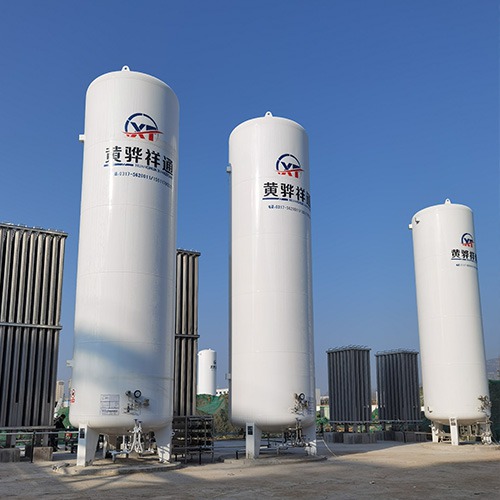
Low-temperature storage tanks are critical assets for industries handling LNG, liquid oxygen, liquid nitrogen, hydrogen, and other cryogenic fluids. These tanks operate under extreme thermal conditions and require precise control of temperature, pressure, and insulation performance.
While advanced design and manufacturer-level production quality provide strong foundations, long-term performance depends heavily on systematic maintenance. A structured schedule prevents insulation failure, pressure instability, excessive boil-off, and unplanned downtime.
This guide outlines a practical daily, monthly, and annual maintenance schedule for cryogenic tanks and explains how factory-produced systems support safer and more efficient operations throughout the entire lifecycle.
Understanding Maintenance Needs of Cryogenic Tanks
Cryogenic tanks face unique challenges compared with conventional pressure vessels:
·Extreme low temperatures
·Heat ingress and boil-off gas (BOG)
·Vacuum insulation degradation
·Valve and instrument sensitivity
·Structural stress from thermal cycling
Without routine monitoring, even small deviations can escalate into safety risks or major economic losses. That is why professional low-temperature storage tanks are designed with inspection accessibility and maintenance compatibility during the production and factory assembly stage.
Daily Maintenance Schedule for Cryogenic Tanks
Daily checks focus on operational stability and early fault detection. These inspections are typically performed by on-site operators.
1. Visual Inspection
Operators should check:
·External shell condition
·Frost or ice accumulation
·Abnormal deformation
·Leakage indicators
Unexpected frost may indicate insulation or vacuum problems.
2. Pressure and Temperature Monitoring
Daily monitoring ensures:
·Stable internal pressure
·Normal temperature gradients
·No sudden pressure build-up
Digital sensors in modern low-temperature storage tanks allow real-time tracking and alarms for abnormal trends.
3. Valve and Piping Check
Operators verify:
·Valve opening and closing behavior
·No vibration or noise
·No gas seepage
Smooth valve operation prevents accidental pressure loss and product contamination.
4. Boil-Off Gas Observation
Check BOG flow rates:
·Compare with design parameters
·Identify abnormal increases
·Confirm vent systems operate normally
Proper BOG control minimizes product loss and protects internal pressure stability.
Monthly Maintenance Schedule for Cryogenic Tanks
Monthly maintenance focuses on system calibration and insulation performance.
1. Instrument Calibration
Monthly tasks include:
·Pressure transmitter calibration
·Temperature sensor verification
·Level gauge accuracy checks
Accurate instruments ensure reliable process control for low-temperature storage tanks.
2. Vacuum and Insulation Check
Cryogenic tanks rely on vacuum insulation. Monthly reviews should assess:
·Vacuum pressure stability
·Moisture ingress
·Thermal loss trends
Factory-produced insulation systems usually perform more consistently, reducing long-term degradation.
3. Structural and Support Inspection
Check:
·Anchor bolts
·Support saddles
·Foundation settlement
·Expansion joints
Mechanical stability prevents long-term structural damage from thermal movement.
4. Safety System Testing
Monthly tests include:
·Pressure relief valve simulation
·Emergency shut-off verification
·Alarm system functionality
Routine safety testing ensures immediate response in abnormal situations.
Annual Maintenance Schedule for Cryogenic Tanks
Annual maintenance is more comprehensive and often requires planned shutdowns.
1. Non-Destructive Testing (NDT)
Annual inspections may include:
·Ultrasonic thickness measurement
·Radiographic weld inspection
·Magnetic particle testing
These methods detect internal defects without dismantling low-temperature storage tanks.
2. Internal Tank Inspection
When operationally feasible:
·Inspect inner vessel lining
·Check weld seams
·Assess corrosion or contamination
·Verify insulation performance
Proper internal inspection extends service life and ensures product purity.
3. Pressure Relief and Safety Valve Overhaul
Annual overhaul includes:
·Disassembly and cleaning
·Seal replacement
·Calibration testing
Reliable safety valves protect cryogenic tanks from over-pressure incidents.
4. System Performance Evaluation
Operators review:
·Annual boil-off rates
·Energy efficiency
·Maintenance records
·Operating anomalies
This evaluation supports predictive maintenance planning and cost optimization.
How Manufacturer Production Quality Supports Maintenance
Choosing a professional low-temperature storage tanks manufacturer with factory-scale production greatly reduces long-term maintenance complexity.
Key production advantages include:
·Automated welding consistency
·Uniform insulation installation
·Controlled coating application
·Modular spare-part compatibility
·Batch quality inspection
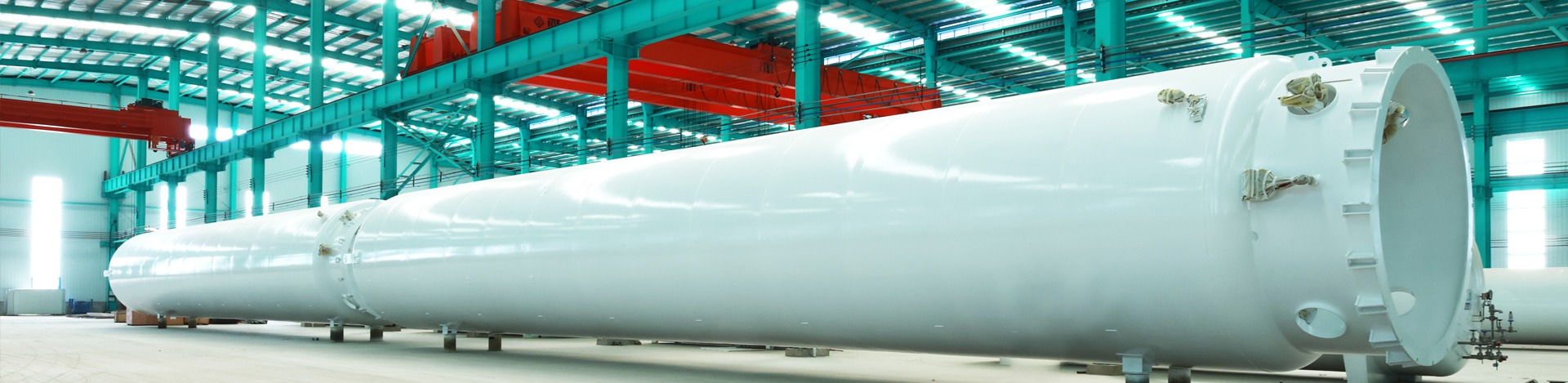
Factory production minimizes hidden defects that later become maintenance issues. When tanks are built under standardized manufacturing processes, operators benefit from predictable inspection cycles and easier spare-part management.
Preventive vs Reactive Maintenance
Reactive maintenance occurs after failures, leading to:
·Emergency shutdowns
·Product loss
·Safety risk
·High repair cost
Preventive maintenance, supported by digital monitoring and production-level design quality, allows:
·Early fault detection
·Lower lifecycle cost
·Extended tank service life
·Stable operational planning
Modern low-temperature storage tanks integrate sensors and monitoring platforms that transform maintenance into a predictive system instead of a reactive one.
Training and Documentation Management
Maintenance success depends not only on equipment but also on people and procedures.
Best practices include:
·Operator training programs
·Maintenance manuals from manufacturer production teams
·Digital inspection logs
·Emergency response drills
Documentation consistency ensures maintenance knowledge is preserved across shifts and personnel changes.
Future Trends in Cryogenic Tank Maintenance
Maintenance technology continues evolving:
·AI-based condition monitoring
·Drone inspections
·Digital twin simulation
·Smart insulation diagnostics
These innovations will further reduce maintenance cost and improve reliability for large-scale low-temperature storage tanks used in energy and industrial sectors.
Conclusion: Building a Reliable Maintenance Strategy for Low-Temperature Storage Tanks
A structured daily, monthly, and annual maintenance schedule is essential for protecting low-temperature storage tanks from thermal loss, pressure instability, and mechanical degradation.
By combining disciplined inspections with advanced design and sourcing from experienced manufacturers offering stable production and factory bulk supply, operators achieve safer performance, lower operating cost, and longer service life.
Well-maintained low-temperature storage tanks are not just equipment—they are long-term infrastructure assets supporting efficient and secure cryogenic operations worldwide.
References
GB/T 7714:Woodcraft A L. An introduction to cryogenics[J]. European Organization for Nuclear Research Cern/At, 2007: 901-906.
MLA:Woodcraft, Adam L. "An introduction to cryogenics." European Organization for Nuclear Research Cern/At (2007): 901-906.
APA:Woodcraft, A. L. (2007). An introduction to cryogenics. European Organization for Nuclear Research Cern/At, 901-906.