








Corrosion Resistant Storage Tanks: Materials, Coatings, and Design Principles
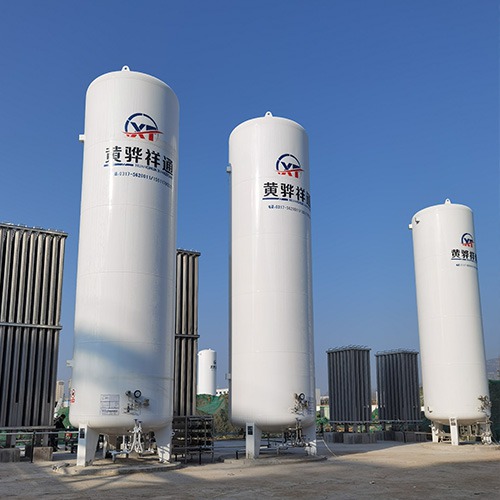
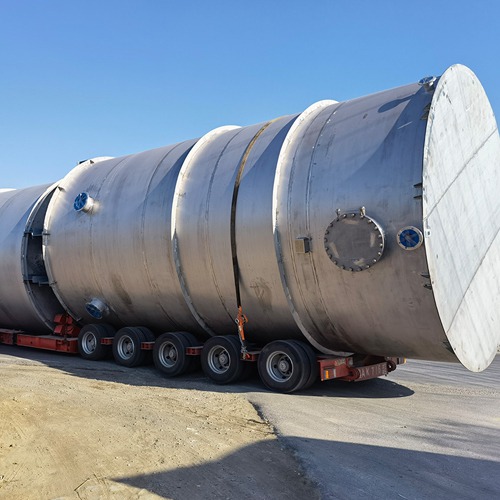
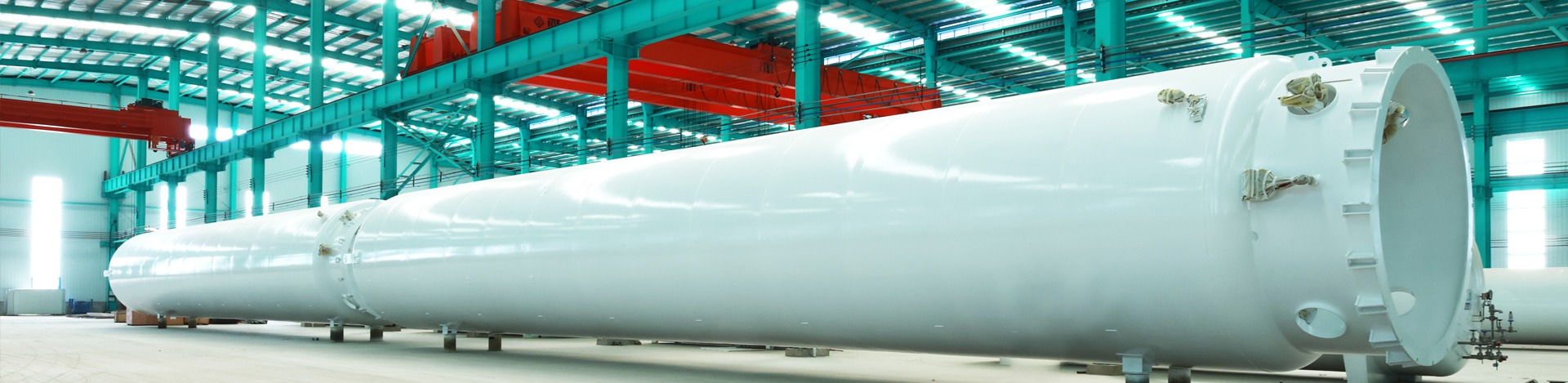
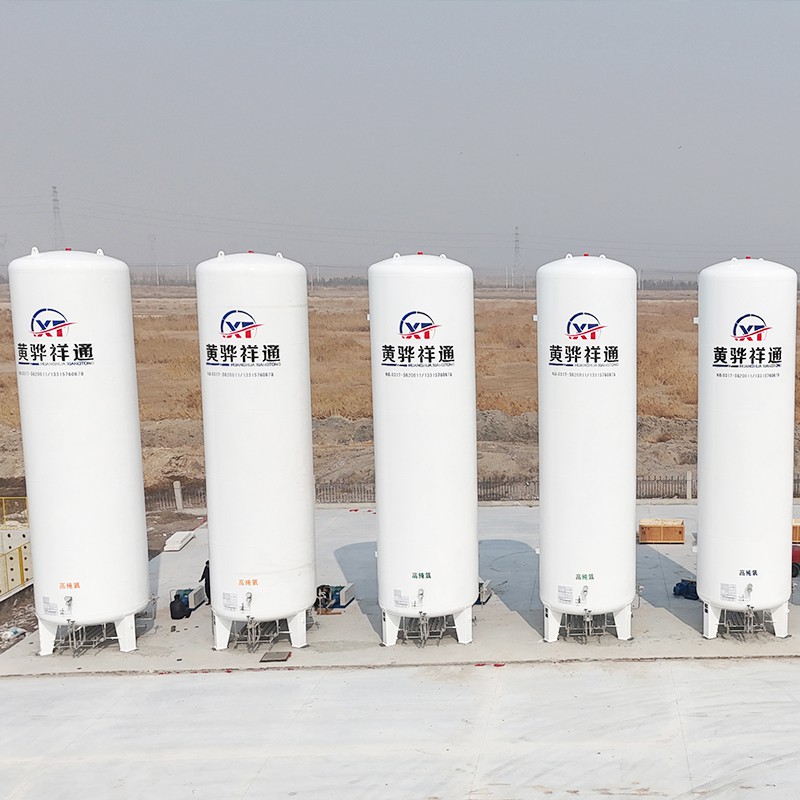
Corrosion resistant storage tanks are essential equipment in chemical processing, oil and gas production, water treatment, and many other industrial sectors. Their primary role is to safely store aggressive, corrosive, or moisture-sensitive media while maintaining structural integrity over long service life. Unlike conventional tanks, corrosion resistant storage tanks are engineered with specialized materials, protective coatings, and strict design principles to withstand harsh operating environments and minimize failure risks.
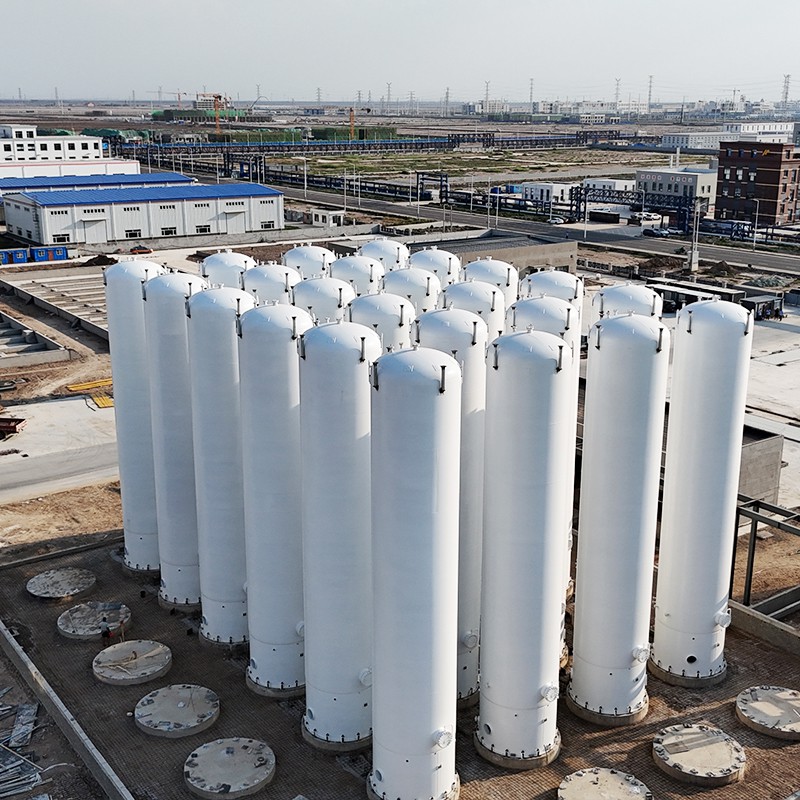
1. The Role of Corrosion Resistance in Industrial Storage Systems
Corrosion is one of the most critical degradation mechanisms affecting industrial storage systems. It can lead to wall thinning, leakage, contamination, and even catastrophic structural failure if not properly controlled. In industries such as petrochemical refining and wastewater treatment, stored media often contain acids, salts, or moisture that accelerate corrosion.
Corrosion resistant storage tanks are specifically designed to mitigate these risks. Their engineering focuses not only on containment but also on long-term durability, operational safety, and compliance with international standards such as API and ASME codes. This makes corrosion resistance a core requirement rather than an optional feature.
2. Common Materials Used in Corrosion Resistant Storage Tanks
Material selection is the foundation of corrosion-resistant design. Different applications require different material strategies based on chemical compatibility, temperature, and pressure conditions.
Stainless steel storage tanks are widely used due to their excellent resistance to oxidation and chemical attack. Grades such as 304 and 316 stainless steel are common in chemical and food-grade applications.
For highly aggressive environments,carbon steel with protective linings orfiber-reinforced composites (FRP) may be selected. These materials offer cost efficiency while maintaining adequate resistance when properly engineered.
In offshore and marine applications, duplex stainless steels are often preferred because they combine high strength with superior resistance to chloride-induced corrosion.
3. Protective Coatings and Surface Treatment Technologies
Even with corrosion-resistant materials, coatings play a crucial role in extending service life. Modern tank coating systems act as a physical and chemical barrier between the stored medium and the tank structure.
Common coating technologies include epoxy coatings, polyurethane linings, and glass-flake reinforced coatings. These coatings are selected based on chemical exposure, temperature range, and abrasion resistance requirements.
In addition, surface preparation methods such as sandblasting are critical to ensure coating adhesion. Poor surface preparation is one of the most common causes of premature coating failure in industrial storage tanks.
4. Engineering Design Principles for Corrosion Prevention
Beyond materials and coatings, engineering design plays a decisive role in corrosion prevention. Proper tank geometry helps eliminate stagnant zones where corrosive substances may accumulate.
Drainage design is also essential. Tanks must be engineered to ensure complete discharge of liquids, preventing residue buildup that can accelerate localized corrosion such as pitting.
Furthermore, design considerations include wall thickness optimization, stress distribution analysis, and welding quality control. Advanced finite element analysis (FEA) is often used to simulate operating conditions and identify potential weak points before manufacturing.
5. Environmental and Operational Factors Affecting Corrosion
Corrosion behavior is strongly influenced by environmental and operational conditions. High humidity, salt exposure, and temperature fluctuations significantly increase corrosion rates.
In chemical storage tanks, the pH level and chemical composition of stored fluids directly affect material degradation. In oil and gas applications, the presence of sulfur compounds and water content can accelerate internal corrosion.
To address these challenges, engineers often integrate cathodic protection systems and real-time monitoring sensors to detect early signs of corrosion and prevent unexpected failures.
6. Maintenance Strategies and Lifecycle Management
Even the best-designed corrosion resistant storage tanks require regular inspection and maintenance. Preventive maintenance strategies include non-destructive testing (NDT), ultrasonic thickness measurement, and internal visual inspections.
Predictive maintenance is becoming increasingly important, supported by digital monitoring systems that track corrosion rates in real time. This allows operators to schedule maintenance before structural integrity is compromised.
Proper lifecycle management not only extends service life but also reduces operational downtime and total cost of ownership.
7. Industry Applications and Performance Requirements
Corrosion resistant storage tanks are widely used across multiple industries. In chemical plants, they store acids, solvents, and reactive compounds. In oil and gas facilities, they handle crude oil, refined products, and produced water. In water treatment systems, they ensure safe storage of potable water and wastewater.
Each application imposes unique performance requirements. For example, chemical tanks prioritize material compatibility, while water tanks emphasize hygiene and non-toxicity. Oil industry tanks focus on pressure resistance and vapor control.
8. Conclusion: Ensuring Long-Term Reliability Through Integrated Design
Corrosion resistant storage tanks are not defined by a single feature but by the integration of materials, coatings, and engineering design principles. Their performance depends on how well these elements work together under real-world operating conditions.
By applying proper material selection, advanced coating systems, and optimized structural design, industries can significantly reduce corrosion-related risks and improve operational reliability. As industrial demands continue to grow, corrosion-resistant technologies will remain a key driver in ensuring safe and efficient storage solutions worldwide.
References
GB/T 7714:Corrosion analysis and remaining useful life prediction for storage tank bottom.
MLA:Corrosion crack initiation and propagation in storage tanks under multi-field environments: A review.
APA:Technical assessment of biodiesel storage tank: A corrosion case study.