


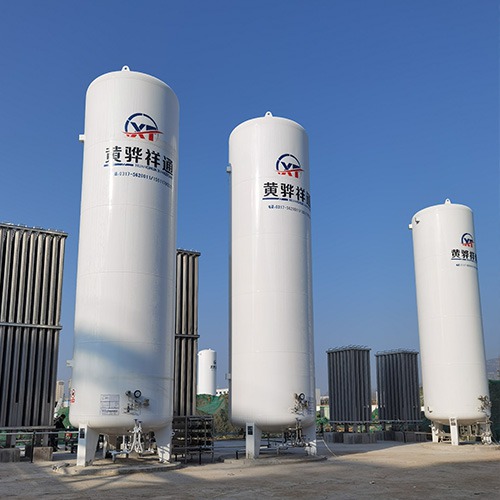
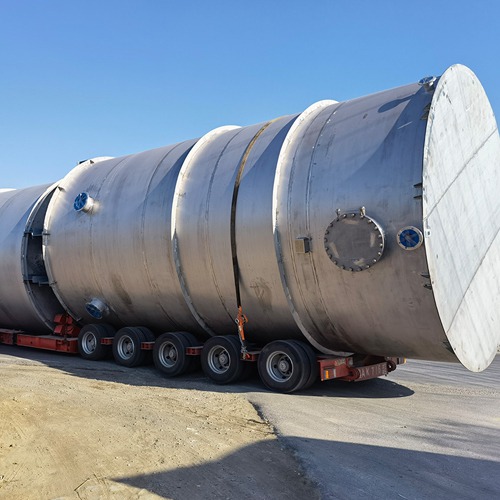





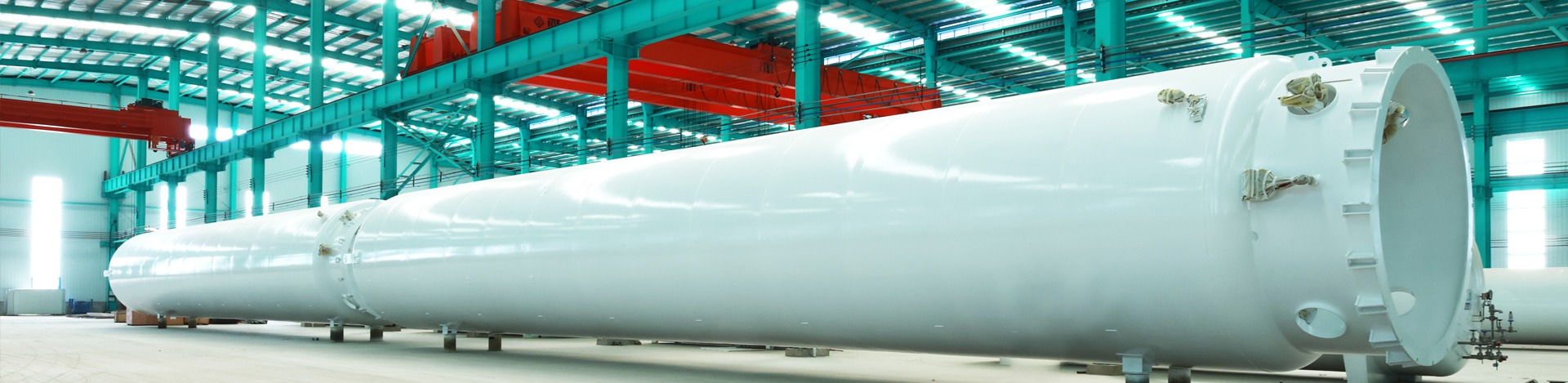

Corrosion Resistant Storage Tank: The Ultimate Solution for Long-Lasting Chemical & Harsh Material Storage
When it comes to storing chemicals, corrosive fluids, industrial waste, or harsh materials, the biggest challenge businesses face is premature tank degradation due to corrosion. A single leak or tank failure can lead to costly downtime, environmental hazards, regulatory fines, and irreversible damage to your operations. That’s where corrosion resistant storage tanks come in—engineered to withstand the harshest substances and deliver long-term reliability, they are the ultimate solution for businesses prioritizing safety, durability, and cost-effectiveness.
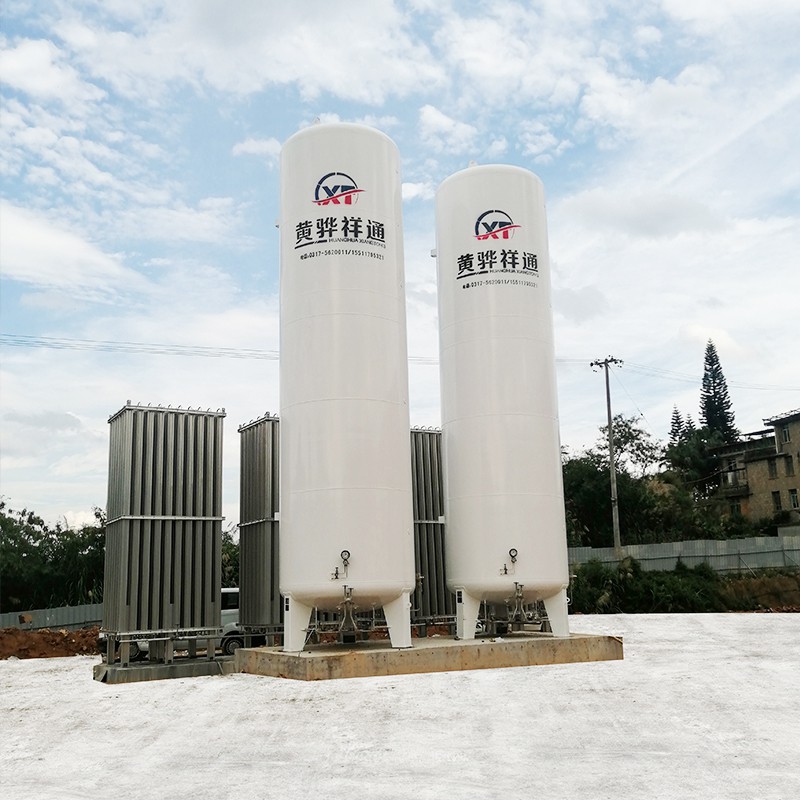
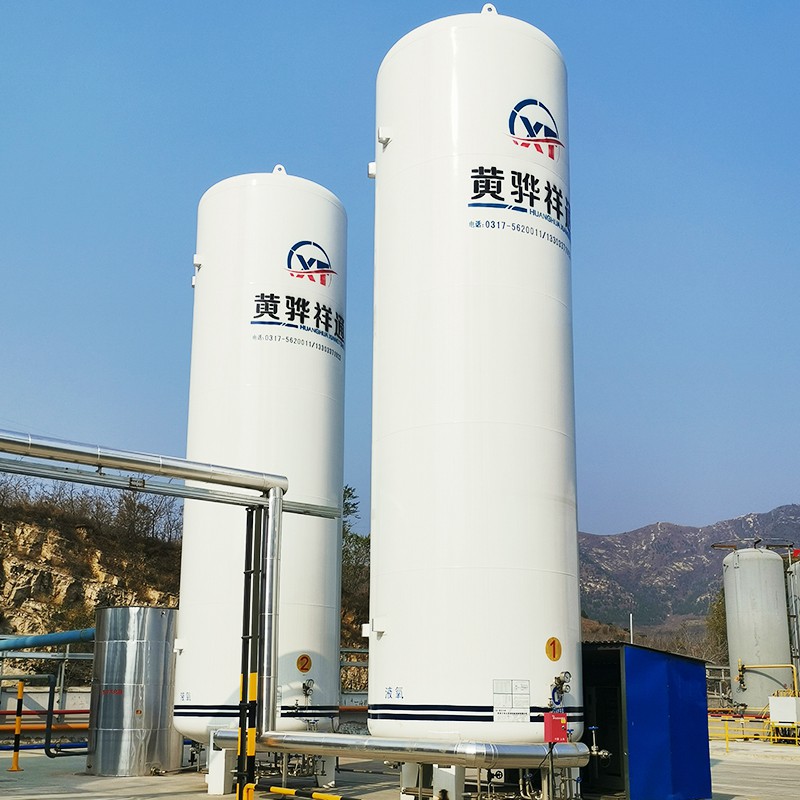
Why Corrosion Is a Critical Threat to Storage Tanks
Corrosion is the gradual breakdown of tank materials caused by chemical reactions with stored substances, environmental factors (such as moisture, temperature fluctuations, and UV exposure), or a combination of both. For standard storage tanks made of ordinary steel, plastic, or concrete, this process can start within months—leading to rust, cracks, leaks, and eventual tank failure. Consider the consequences: A leak from a chemical storage tank can contaminate soil and groundwater, triggering expensive cleanup efforts and regulatory penalties. For industries like chemical manufacturing, oil and gas, wastewater treatment, or food processing, even a short period of downtime to replace a corroded tank can result in lost revenue and damaged customer trust. In short, corrosion isn’t just a maintenance issue—it’s a business-critical risk that demands a proactive solution.
What Makes a Corrosion Resistant Storage Tank Different?
Corrosion resistant storage tanks are designed to eliminate or minimize the effects of corrosion, using specialized materials, coatings, and engineering techniques that standard tanks lack. Unlike conventional tanks, they are built to handle aggressive substances—from acidic and alkaline chemicals to saltwater, industrial solvents, and high-temperature fluids—without degradation. The key differentiators of high-quality corrosion resistant storage tanks include:
·Premium Corrosion-Resistant Materials: Common materials include stainless steel (304, 316L), FRP (Fiberglass Reinforced Plastic), PP (Polypropylene), and HDPE (High-Density Polyethylene). Each material is selected based on the type of substance being stored—for example, 316L stainless steel is ideal for acidic chemicals, while FRP excels in high-temperature and high-pressure applications.
·Specialized Coatings & Linings: Many corrosion resistant tanks feature additional protective coatings (such as epoxy, polyurethane, or fluoropolymer linings) that act as a barrier between the tank material and the stored substance, preventing direct contact and chemical reactions.
·Engineered Design: These tanks are designed with features like seamless construction (to eliminate weak points where corrosion can start), proper ventilation, and corrosion-resistant fittings (valves, pipes, and lids) to ensure the entire system is protected.
·Compliance with Industry Standards: High-quality corrosion resistant tanks meet strict industry standards (such as ASME, API, or ISO) for safety and durability, ensuring they can withstand the demands of industrial applications while adhering to regulatory requirements.
Key Applications of Corrosion Resistant Storage Tanks
Corrosion resistant storage tanks are versatile and essential across a wide range of industries, where the storage of harsh materials is a daily requirement. Some of the most common applications include:
·Chemical Manufacturing: Storing acids, bases, solvents, and chemical intermediates without degradation or leaks.
·Oil & Gas: Holding crude oil, refined fuels, lubricants, and drilling fluids, which can be corrosive or high in sulfur.
·Wastewater Treatment: Storing treated or untreated wastewater, sludge, and chemicals used in the treatment process (such as chlorine or alum).
·Food & Beverage: Storing food-grade acids (e.g., vinegar, citric acid), syrups, and sanitizing solutions, with tanks that meet FDA standards for food contact.
·Marine & Coastal Industries: Storing saltwater, seawater, and marine fuels, where salt and moisture accelerate corrosion in standard tanks.
·Pharmaceuticals: Storing pharmaceutical ingredients, solvents, and sterile solutions, requiring tanks that are corrosion-resistant and easy to sanitize.
Benefits of Investing in a Corrosion Resistant Storage Tank
Choosing a corrosion resistant storage tank isn’t just a purchase—it’s an investment in the long-term success and safety of your business. The key benefits include:
·Longer Lifespan: Corrosion resistant tanks last 2–3 times longer than standard tanks, reducing the frequency of replacements and lowering long-term costs.
·Reduced Maintenance Costs: With minimal corrosion, these tanks require less frequent inspections, repairs, and cleaning—freeing up your team to focus on core operations.
·Enhanced Safety: Eliminating leaks and tank failures reduces the risk of environmental contamination, workplace accidents, and regulatory fines.
·Improved Operational Efficiency: Reliable storage means no unplanned downtime due to tank failures, ensuring your operations run smoothly and consistently.
·Customization Options: Corrosion resistant tanks can be customized to fit your specific needs—including size (from small 100L tanks to large 100,000L tanks), shape (vertical or horizontal), and material, ensuring a perfect fit for your application.
How to Choose the Right Corrosion Resistant Storage Tank for Your Business
Selecting the right corrosion resistant storage tank depends on several key factors—ignoring these can lead to choosing a tank that’s ill-suited for your needs, resulting in premature failure. Here’s what to consider:
·Stored Substance: The type of material you’re storing (acidic, alkaline, solvent, fuel, etc.) will determine the best material for your tank. For example, FRP is ideal for strong acids, while HDPE works well for caustic solutions.
·Operating Conditions: Consider the temperature, pressure, and environmental conditions (indoor vs. outdoor, humidity, UV exposure) where the tank will be installed. High temperatures may require heat-resistant materials, while outdoor tanks may need UV protection.
·Size & Capacity: Determine the volume of material you need to store, as well as the available space for installation (vertical tanks save floor space, while horizontal tanks are easier to transport and install).
·Regulatory Compliance: Ensure the tank meets industry standards and local regulations for your industry (e.g., FDA for food contact, EPA for environmental safety).
·Manufacturer Reputation: Choose a trusted manufacturer with experience in building corrosion resistant tanks, as quality craftsmanship is critical for long-term reliability.
Why Our Corrosion Resistant Storage Tanks Stand Out
At [Your Company Name], we understand the challenges businesses face when storing harsh materials—and we’ve engineered our corrosion resistant storage tanks to address those challenges head-on. Our tanks are built with premium materials, specialized coatings, and precision engineering, ensuring they deliver unmatched durability, safety, and performance. Whether you need a small, portable tank for laboratory use or a large industrial tank for chemical storage, we offer custom solutions tailored to your unique needs. All our tanks are tested to meet strict industry standards, and we provide comprehensive support—from design and installation to maintenance and repair—so you can focus on your business with peace of mind.
Ready to Invest in Long-Lasting, Corrosion Resistant Storage?
Don’t let corrosion derail your operations or put your business at risk. A corrosion resistant storage tank is the ultimate solution for reliable, long-lasting storage of harsh materials—saving you time, money, and headaches in the long run. Contact our team today to discuss your storage needs, get a custom quote, or learn more about how our corrosion resistant storage tanks can benefit your business. Let us help you find the perfect solution to protect your operations, your team, and the environment.
References
GB/T 7714:Effect of Deformation Spheroidization Treatment on the Corrosion Behavior and Mechanical Properties of Pearlite Steel in Simulated Cargo Oil Tank Inner Substrate Environment. Acta Metallurgica Sinica
MLA:Corrosion Resistance of Glass Fiber Reinforced Plastic Composites in Seawater and Prediction of Chloride Ion Penetration Life. Journal of Chinese Society for Corrosion and Protection
APA:Interpretation of the Revised National Standard GB/T 26978—2021 for Cryogenic Liquefied Gas Storage Tanks. China Mechanical Engineering