








Comprehensive Guide to Ethylene Tanks: Types, Uses, and Safety
Ethylene (C₂H₄) is a highly flammable hydrocarbon widely used in the chemical and petrochemical industries. Proper storage is critical due to its volatility and safety risks. Ethylene tanks are specialized containers designed to store this gas safely and efficiently under controlled conditions. This guide explores the types, uses, and safety measures associated with ethylene tanks, helping industries choose the right storage solutions.
1. Types of Ethylene Tanks
Ethylene tanks vary based on storage pressure, temperature requirements, and material construction. The main types include:
1.1. Cryogenic Ethylene Tanks
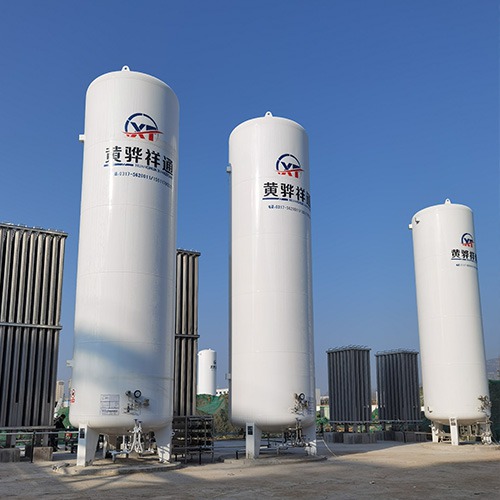
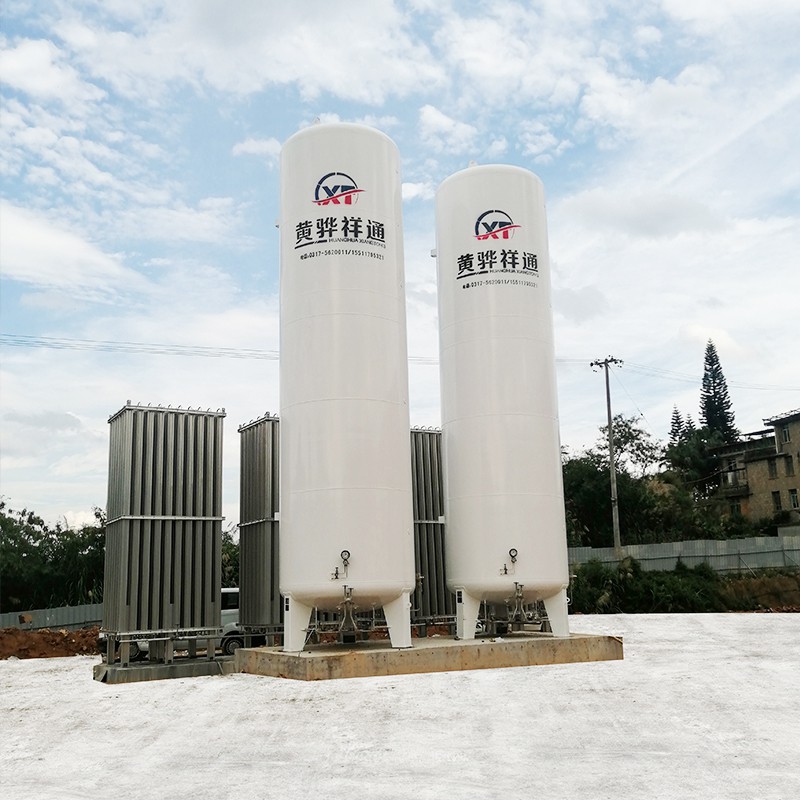
·Designed for storing ethylene at extremely low temperatures (-104°C) in liquid form.
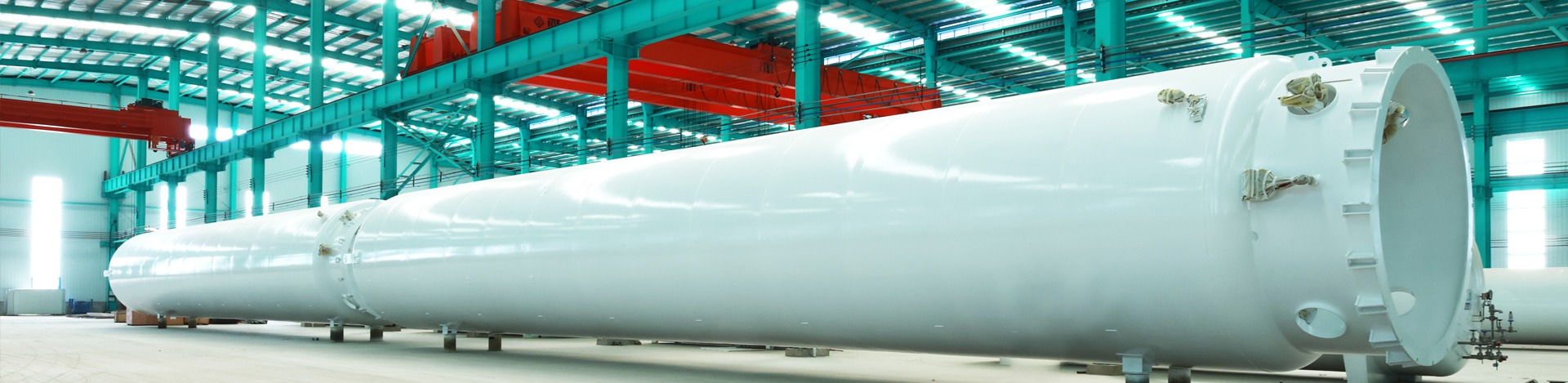
·Constructed with double walls and vacuum insulation to minimize heat transfer.
·Ideal for large-scale industrial plants that require bulk liquid ethylene.
1.2. High-Pressure Gas Tanks
·Store ethylene in gaseous form under pressures up to 20 MPa.
·Made from high-strength carbon steel or stainless steel.
·Often used for transport, refilling cylinders, or small-scale industrial applications.
1.3. Modular and Mobile Tanks
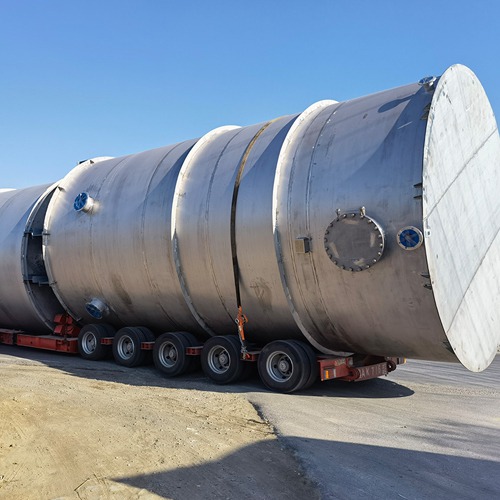
·Portable solutions for temporary storage or transportation.
·Can be mounted on trucks or skids for flexibility.
·Require strict monitoring due to pressure and temperature sensitivity.
2. Common Uses of Ethylene Tanks
Ethylene is a key feedstock and intermediate in the chemical industry. Its tanks serve various purposes:
·Chemical Production: Raw material for polyethylene, ethylene oxide, and other chemicals.
·Agriculture: Used for controlled ripening of fruits such as bananas and tomatoes.
·Industrial Processes: Involved in polymerization, synthesis, and other manufacturing processes.
·Research & Laboratories: Small-scale ethylene tanks support experimental and pilot-scale operations.
3. Safety Considerations
Due to ethylene’s flammability, storage requires strict safety protocols:
3.1. Material Compatibility
Tanks should be made of materials resistant to low temperatures and corrosion.
Stainless steel is preferred for cryogenic storage.
3.2. Pressure and Temperature Control
Regular monitoring of pressure and temperature is essential.
Relief valves and emergency venting systems prevent overpressure accidents.
3.3. Leak Detection
Ethylene is colorless and highly flammable; even small leaks can cause fire hazards.
Sensors and routine inspections are mandatory.
3.4. Regulatory Compliance
Tanks must meet international standards such as ASME, ISO, and local industrial regulations.
Proper labeling, grounding, and safe handling protocols are required.
3.5. Maintenance
Periodic checks of insulation, valves, and welds ensure long-term reliability.
Training operators reduces human error and increases safety.
4. Choosing the Right Ethylene Tank
When selecting an ethylene tank, consider:
·Storage volume and capacity needs
·Desired state of ethylene (liquid or gas)
·Transport or stationary use
·Local safety regulations and standards
·Budget and maintenance capabilities
Partnering with a reputable manufacturer ensures high-quality tanks that meet safety and operational requirements.
Conclusion
Ethylene tanks are essential for safe and efficient storage of ethylene in industrial, agricultural, and research applications. Understanding the types, uses, and safety measures helps businesses minimize risks, comply with regulations, and maximize operational efficiency. Investing in the right ethylene tank ensures long-term safety and reliability for your operations.
References
GB/T 7714:Case Study: Safety Assessment of Plant Layout between Ethylene Storage Tanks and Process Equipment According to Capacity and Weather Conditions
MLA:Numerical study of pressure build‑up in vertical tanks for cryogenic flammables storage. (2019). Applied Thermal Engineering
APA:Safety in storage, handling and distribution of cryogenic ethylene (DOC 208/17). European Industrial Gases Association