








Common Cryogenic Tank Failure Cases and Solutions
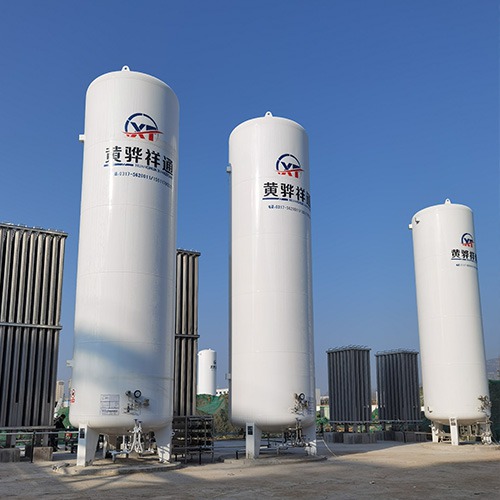
Low-temperature storage tanks are essential for safely holding cryogenic liquids in industries such as energy, chemical processing, healthcare, and industrial gas distribution. These tanks operate under extreme thermal conditions, often far below ambient temperature, which places high demands on materials, fabrication, and maintenance. Even small defects can evolve into serious failures if not properly managed.
Supported by professional Manufacturer-controlled Production and Factory-scale bulk supply, modern low-temperature storage tanks are engineered to minimize risks while maintaining long-term stability. This article explores common cryogenic tank failure cases and practical solutions to improve safety and performance.
Introduction to Low-Temperature Storage Tanks
Cryogenic tanks store liquids at very low temperatures, where metals contract, insulation systems must block heat transfer, and seals must remain flexible. Unlike conventional vessels, low-temperature storage tanks face continuous thermal cycling, internal pressure changes, and potential exposure to moisture.
During Manufacturer Production, strict controls are applied to material selection, welding procedures, and insulation assembly. Factory bulk supply ensures uniform construction and consistent performance for large-scale industrial applications.
Why Cryogenic Tank Failures Occur
Failures in low-temperature storage tanks usually result from a combination of mechanical stress, thermal effects, and environmental exposure.
Common contributing factors include:
·Poor welding quality
·Inadequate insulation systems
·Material incompatibility
·Moisture infiltration
·Long-term fatigue
By addressing these areas during Production, Manufacturer operations reduce the likelihood of operational failures after Factory delivery and installation.
Case 1 – Weld Cracking at Low Temperatures
Weld joints are among the most critical zones in low-temperature storage tanks. At cryogenic temperatures, some metals lose ductility and become more sensitive to cracking under stress.
Failure symptoms:
·Micro-cracks along weld seams
·Stress concentration at joints
·Progressive fracture development
Solutions:
·Use qualified low-temperature welding procedures
·Control heat input and filler material selection
·Apply post-weld inspection and testing
·Monitor residual stress during Production
Factory-controlled Manufacturer processes ensure weld integrity across bulk supply tank fabrication.
Case 2 – Insulation Degradation and Heat Ingress
Insulation systems protect cryogenic tanks from external heat. If insulation degrades, heat ingress increases, causing higher boil-off rates and internal pressure rise.
Failure symptoms:
·Frost formation
·Excessive evaporation
·Reduced thermal efficiency
Solutions:
·Select insulation with stable thermal resistance
·Maintain vapor barriers
·Inspect insulation layers regularly
·Integrate insulation quality checks in Factory Production
Manufacturer bulk supply tanks benefit from controlled insulation assembly to maintain thermal stability.
Case 3 – Leakage from Seals and Nozzles
Seals, gaskets, and nozzles must remain tight despite contraction at low temperatures. Improper design or aging materials can cause leaks.
Failure symptoms:
·Product loss
·Pressure fluctuations
·Visible vapor emission
Solutions:
·Choose low-temperature compatible sealing materials
·Design flexible joint structures
·Perform leak testing during Production
·Schedule periodic inspection after installation
Factory-supplied low-temperature storage tanks incorporate sealing validation as part of Manufacturer quality control.
Case 4 – Material Embrittlement and Fatigue
Repeated thermal cycling can weaken metals over time. Some materials become brittle and lose impact resistance in cryogenic environments.
Failure symptoms:
·Sudden fracture under load
·Reduced toughness
·Progressive fatigue cracking
Solutions:
·Use cryogenic-grade materials
·Control material composition during Manufacturer Production
·Apply fatigue analysis in tank design
·Monitor operational stress cycles
Factory bulk supply ensures uniform material behavior across large low-temperature storage tank projects.
Case 5 – Corrosion Under Insulation (CUI)
Moisture trapped under insulation can cause hidden corrosion, weakening the tank shell without visible warning signs.
Failure symptoms:
·Localized wall thinning
·Pitting corrosion
·Structural weakening
Solutions:
·Apply protective coatings
·Improve moisture barriers
·Inspect beneath insulation layers
·Integrate corrosion control in Production planning
Manufacturer Factory systems address corrosion risk early through surface treatment and inspection before bulk delivery.
Manufacturer Production and Factory Bulk Supply
Reliable low-temperature storage tanks start with professional manufacturing. A modern Manufacturer environment manages:
·Welding qualification and control
·Material verification
·Insulation system integration
·Dimensional accuracy
·Documentation and logistics
Factory bulk supply ensures:
·Uniform tank geometry
·Stable quality across batches
·Efficient large-volume Production
·Predictable delivery schedules
This integrated approach guarantees that low-temperature storage tanks meet both engineering and commercial project requirements.
Best Practices to Prevent Cryogenic Tank Failures
To minimize failure risks, follow these strategies:
·Use qualified materials and welding methods
·Maintain insulation performance
·Monitor seals and joints
·Conduct regular inspection and testing
·Integrate quality control throughout Production
By coordinating design, Manufacturer fabrication, and Factory supply processes, low-temperature storage tanks can operate safely and efficiently over long service periods.
Conclusion: Improving Reliability of Low-Temperature Storage Tanks
Low-temperature storage tanks operate in some of the most demanding industrial conditions. Failures often originate from weld defects, insulation problems, seal leakage, material embrittlement, or corrosion under insulation. Understanding these failure cases and applying proper solutions significantly improves operational safety and durability.
Backed by Manufacturer-controlled Production and Factory-level bulk supply, modern low-temperature storage tanks deliver consistent performance, reduced risk, and long-term reliability. Investing in quality fabrication and preventive maintenance ensures every low-temperature storage tank supports safe, efficient, and dependable cryogenic storage for years to come.
References
GB/T 7714:Standard A P I. Design and Construction of Large, Welded, Low-pressure Storage Tanks[J]. 2018.
MLA:Standard, A. P. I. "Design and Construction of Large, Welded, Low-pressure Storage Tanks." (2018).
APA:Standard, A. P. I. (2018). Design and Construction of Large, Welded, Low-pressure Storage Tanks.