








Bulk Liquid Gas Distribution and Supply Chain Management
Moving industrial gases from production facilities to end users is a logistics challenge that most people rarely think about, yet it underpins an enormous range of everyday products and processes. The steel in your car frame was made using oxygen that arrived at the mill as a cryogenic liquid. The semiconductor chips in your phone were fabricated in a nitrogen-purged cleanroom supplied by a bulk liquid tank outside the plant. The frozen food in your supermarket freezer was flash-frozen using liquid nitrogen distributed through a complex supply chain that spans hundreds or even thousands of kilometers. Understanding how this distribution network operates — and where the bottlenecks and optimization opportunities lie — is essential for anyone responsible for industrial gas procurement or for the storage and transport infrastructure that makes it possible.
_storage_tank.jpg)
The Distribution Chain: From Production to End User
The bulk liquid gas distribution chain typically begins at a large-scale production facility — an air separation plant for industrial gases, a liquefaction terminal for LNG, or a chemical production complex for gases like hydrogen and carbon dioxide. From the production facility, the liquefied gas moves to regional storage terminals via the most efficient transport mode available: pipeline for large volumes over medium distances, specialized cryogenic rail tank cars for long-distance overland transport, or coastal and ocean-going LNG carriers for intercontinental movement. At the regional terminal, the gas is stored in large stationary tanks before being loaded onto tanker trucks for delivery to end-user facilities. This terminal-to-user leg of the journey, commonly called the last mile, is where distribution costs are highest per unit volume because the transport vehicles are small relative to the cargo they carry, and delivery routes must accommodate the geographic dispersion of individual customer sites.
Cryogenic Transport Tank Design Considerations
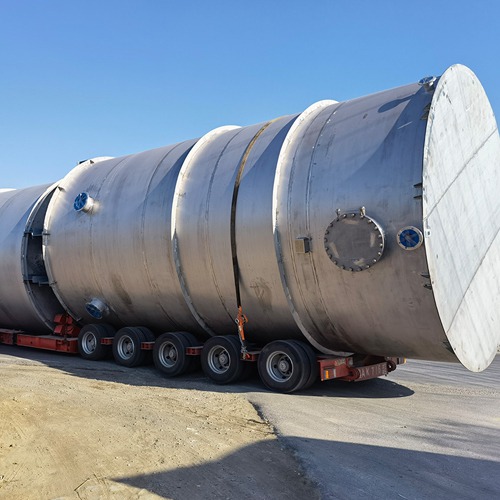
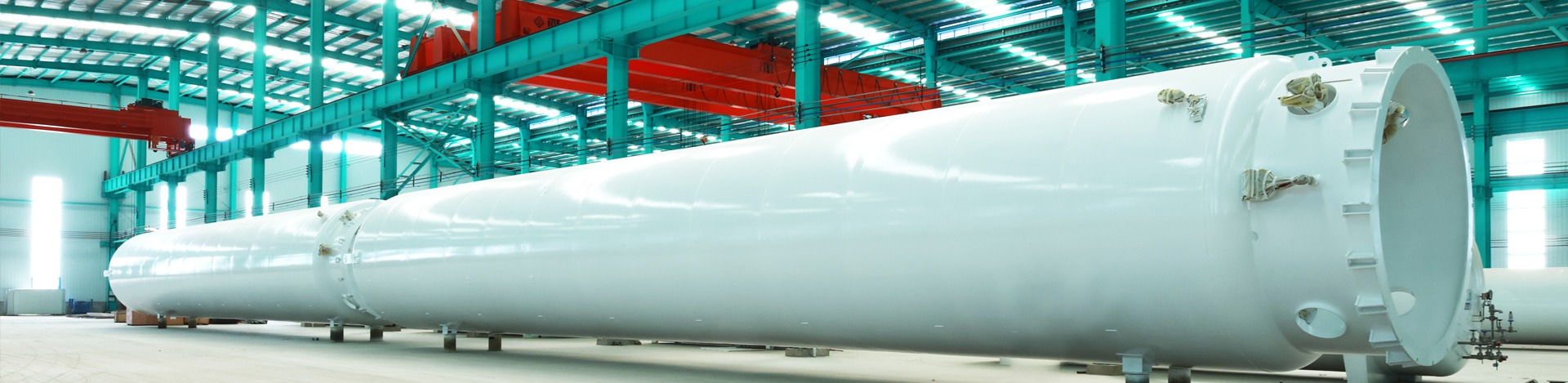
The tanker trucks and trailers that move liquefied gases over roads are engineering marvels in their own right. A typical LNG trailer carries roughly 20,000 gallons of liquid at minus 162 degrees Celsius while cruising down a highway at 100 kilometers per hour. The inner vessel, usually made of stainless steel, is suspended within an outer carbon steel shell by a system of structural supports that must be strong enough to withstand road vibration and impact loads yet thermally conductive enough to minimize the heat leak path between the vessels. Most modern cryogenic trailers use high-vacuum perlite insulation, achieving boil-off rates below 0.3 percent per day during normal operation. The pressure relief system must be sized to handle both normal boil-off and the rapid pressure rise that occurs during transport when the liquid sloshes and creates additional vapor. A reputable manufacturer of cryogenic transport tanks subjects every vessel to rigorous testing — hydrostatic pressure testing, vacuum hold testing, and often a helium leak check — before releasing it for service.
Storage Terminal Design and Operations
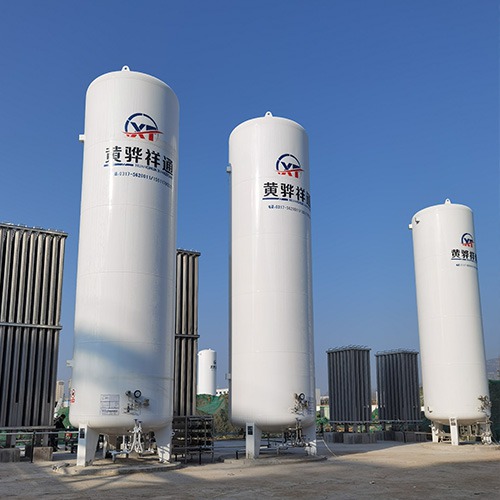
Regional storage terminals serve as the critical buffering nodes in the liquid gas distribution network, absorbing the mismatch between the relatively steady output of production facilities and the variable demand patterns of individual customers. A typical industrial gas terminal includes one or more large vertical storage tanks, each with a capacity of 500 to 5,000 cubic meters, along with a truck loading system featuring metered cryogenic pumps, vapor return lines, and safety isolation systems. The economics of terminal operations hinge on inventory management and turnover rate — tanks that sit nearly full for extended periods waste capital, while tanks that run too low risk service disruptions during peak demand. Modern terminal operators increasingly rely on telemetry systems that provide real-time visibility into tank levels at both the terminal and customer sites, enabling more efficient routing of delivery trucks and better prediction of demand patterns.
Optimizing the Distribution Network
For gas suppliers and their customers alike, distribution efficiency has a direct and significant impact on costs. Several strategies have proven effective in optimizing bulk liquid gas distribution networks. Strategic placement of satellite storage tanks at customer sites reduces delivery frequency and allows larger, more efficient tanker trucks to be used. Route optimization software that considers delivery time windows, traffic patterns, and tank level data helps minimize the total distance traveled by the delivery fleet. For customers with very large and predictable consumption, pipeline supply direct from the production facility can eliminate the need for truck transport entirely. A storage tank supplier who understands the broader supply chain context can provide valuable input during the facility planning process, helping to size tanks appropriately for the expected delivery logistics and to specify features that streamline the loading and unloading process.
Challenges in Emerging Markets
The bulk liquid gas distribution business in developing economies faces a distinct set of challenges that differ markedly from those in mature markets. Road infrastructure may be less developed, increasing transit times and wear on transport equipment. Regulatory frameworks for hazardous materials transport may be incomplete or inconsistently enforced. Power grid reliability may be insufficient to support continuous operation of vaporizers and pumping systems at customer sites. And the distribution network itself may be sparse, requiring longer transport distances between production and consumption points. In these environments, the reliability and serviceability of storage tanks and transport equipment becomes even more critical, because a single equipment failure can disrupt the supply chain for an extended period. Manufacturers that serve emerging markets often design their equipment with additional robustness margins and simplify maintenance requirements to account for the less predictable operating conditions.
Conclusion
The bulk liquid gas distribution supply chain is a complex, interconnected system that requires careful coordination between production, storage, transport, and delivery operations. From the design of cryogenic transport tanks that carry liquefied gases across continents to the regional terminals that buffer supply and demand, every element of the chain must be engineered and managed with both efficiency and reliability in mind. Working with storage tank manufacturers and suppliers who understand the full breadth of this distribution landscape helps ensure that the infrastructure investments you make today will support your operational needs well into the future.
References
CGA P-11: Standard for Cryogenic Liquid Cylinder Systems, Compressed Gas Association, 2021
DOT 49 CFR Part 171-180: Pipeline and Hazardous Materials Safety Administration Regulations
EN 13530: Cryogenic Vessels — Large Transportable Vacuum-Insulated Vessels
AIGA 027: Storage and Handling of Cryogenic Liquids at Production and Customer Sites, 2020
API 2510: Design and Construction of Liquefied Petroleum Gas Installations, 2021 Edition