








A Complete Guide to Building an LNG Storage Tank Project
Why LNG Storage Tanks Are the Core of Any LNG Project
LNG Storage Tanks are the foundation of liquefied natural gas infrastructure. Whether for import terminals, peak-shaving facilities, power plants, bunkering stations, or satellite LNG systems, a well-executed storage tank project determines safety, efficiency, and long-term profitability.
Building an LNG storage tank project is not only about installing a container. It involves feasibility analysis, engineering design, cryogenic materials, safety systems, and coordinated manufacturer production and factory-scale supply. When properly planned, LNG storage tanks deliver decades of stable service with controlled boil-off and low maintenance costs.
This guide walks through every major stage of building an LNG storage tank project, from early planning to commissioning and long-term operation.
1. Project Planning and Feasibility Study
Before any construction begins, a comprehensive feasibility study is essential. This stage defines the technical and commercial foundation of the LNG storage tank project.
Key planning elements include:
·Required storage capacity
·LNG turnover rate
·Local climate and seismic conditions
·Regulatory and safety requirements
·Integration with LNG supply and distribution systems
Market demand analysis also helps determine whether the project should use small-scale, mid-scale, or large-scale LNG storage tanks. Early coordination with experienced manufacturers ensures the design matches real production capabilities and installation conditions.
2. Site Selection and Infrastructure Layout
Choosing the right site for LNG storage tanks directly affects safety, logistics, and cost efficiency.
Important factors include:
·Ground bearing capacity and soil conditions
·Distance from populated areas
·Accessibility for transportation and installation
·Fire protection and emergency access
·Utility connections and drainage systems
A well-designed layout ensures proper spacing between LNG storage tanks, process units, and safety zones. Site preparation often includes foundation engineering, frost protection, and seismic reinforcement to support long-term stability.
3. Engineering Design of LNG Storage Tanks
Engineering design transforms project requirements into practical LNG storage tank systems.
Tank Structure and Insulation
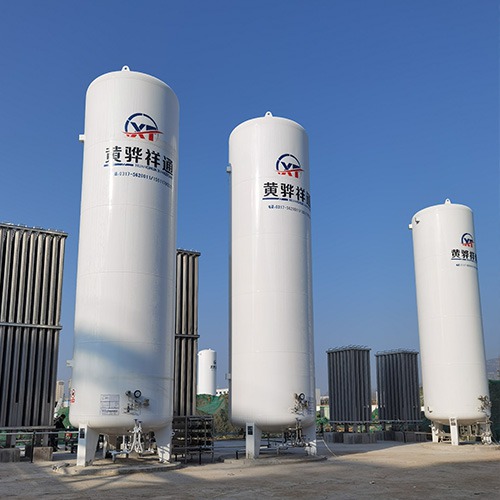
Most LNG storage tanks use double-wall structures with:
·Inner cryogenic container
·Outer concrete or steel shell
·High-performance vacuum or perlite insulation
This structure minimizes heat ingress and controls boil-off gas (BOG).
Materials Selection
Cryogenic materials must perform at temperatures near −162°C. Typical materials include:
·9% nickel steel
·Austenitic stainless steel
·Aluminum alloys
Professional LNG storage tank manufacturers apply strict material testing during factory production to guarantee toughness and long-term reliability.
Safety and Control Systems
Engineering design also includes:
·Pressure relief valves
·Level and temperature sensors
·BOG handling systems
·Emergency shutdown systems
These features ensure safe operation under normal and abnormal conditions.
4. Manufacturing and Factory Production
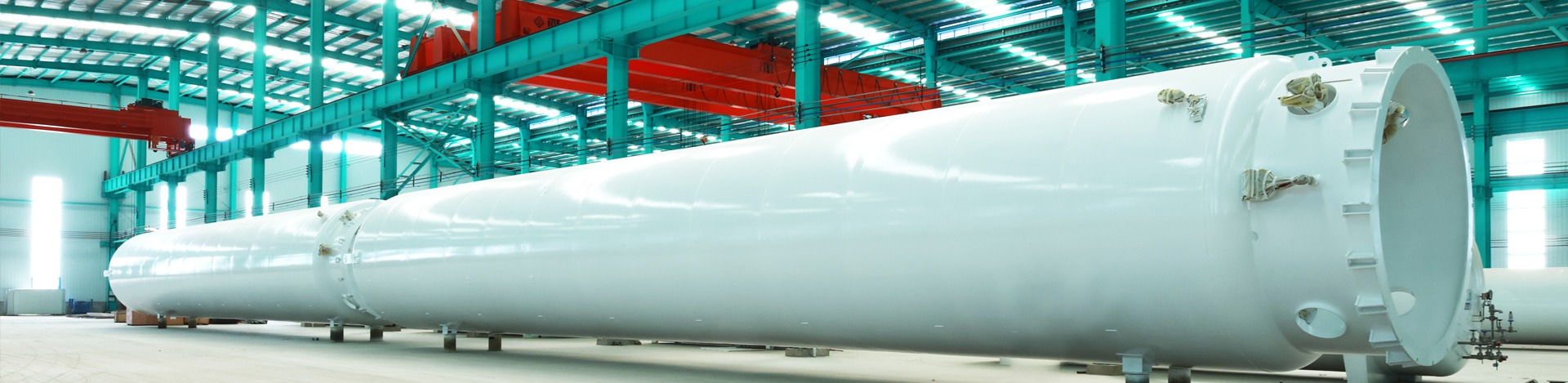
Once design is finalized, the project enters the manufacturing stage. High-quality LNG storage tanks production depends on controlled factory environments rather than on-site improvisation.
Factory production advantages include:
·Automated welding accuracy
·Consistent insulation installation
·Quality coating application
·Dimensional precision
·Batch inspection standards
An experienced LNG storage tank manufacturer with bulk factory production capability ensures uniform quality across multiple tanks while reducing lead time and lifecycle risk.
During production, tanks undergo non-destructive testing (NDT), pressure testing, and insulation performance checks before shipment.
5. Transportation and Installation
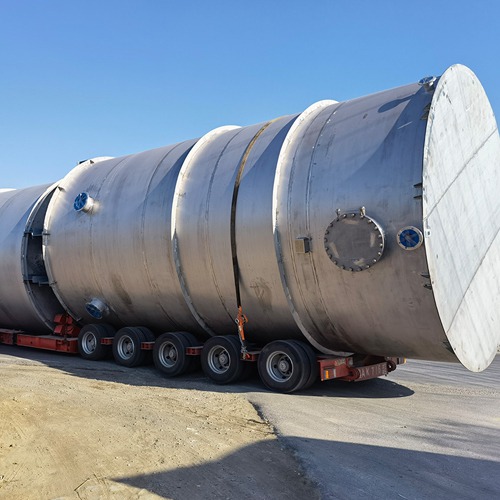
Transporting LNG storage tanks requires careful logistics planning, especially for large-capacity systems.
Key installation steps include:
·Heavy-lift transportation coordination
·Foundation positioning and leveling
·Shell assembly and welding
·Insulation installation
·Instrumentation connection
Installation quality directly affects long-term performance. Close cooperation between the project team and the production factory helps resolve tolerance and alignment issues during on-site assembly.
6. Commissioning and Performance Testing
After installation, LNG storage tanks must be commissioned before operation.
Commissioning includes:
·Leak testing
·Pressure testing
·Purging and drying
·Cool-down procedures
·Instrument calibration
Gradual cool-down prevents thermal shock and protects cryogenic materials. Performance testing verifies insulation efficiency, BOG rates, and safety system response.
Only after successful commissioning can LNG storage tanks enter full-scale operation.
7. Operation and Maintenance Strategy
Long-term success depends on proper operation and preventive maintenance.
Effective maintenance programs include:
·Routine inspection of insulation
·Monitoring temperature and pressure trends
·Valve and sensor calibration
·Corrosion protection programs
·Structural integrity checks
Modern LNG storage tanks often integrate digital monitoring systems that provide real-time data for predictive maintenance, reducing downtime and unplanned repair costs.
8. Safety Management and Compliance
Safety is non-negotiable in LNG storage tank projects.
Key safety practices include:
·Fire and gas detection systems
·Emergency shutdown logic
·Operator training programs
·Regulatory compliance audits
·Emergency response planning
International standards and local regulations govern LNG storage tank design, installation, and operation. Manufacturers with mature production systems usually embed compliance into the design phase, simplifying approval and certification.
9. Cost Control and Lifecycle Optimization
Instead of focusing only on initial investment, LNG projects should consider total cost of ownership (TCO).
Cost optimization strategies include:
·High-efficiency insulation to reduce BOG losses
·Durable materials to limit repairs
·Standardized factory production
·Predictive maintenance planning
High-quality LNG storage tanks from professional manufacturers often provide lower long-term operating cost even if initial procurement cost is slightly higher.
10. Future Trends in LNG Storage Tank Projects
Technology continues to evolve for LNG storage tanks:
·Smart sensors and digital twins
·Modular tank systems
·Improved insulation composites
·AI-based maintenance forecasting
These innovations improve safety, efficiency, and scalability for future LNG storage tank projects worldwide.
Conclusion: Building Successful LNG Storage Tank Projects
A successful LNG Storage Tanks project requires more than basic construction. It demands strategic planning, precise engineering, controlled manufacturing, safe installation, and smart long-term operation.
By partnering with experienced LNG storage tank manufacturers offering reliable production and factory-scale bulk supply, project owners gain stronger quality control, lower lifecycle costs, and enhanced operational safety.
From feasibility study to commissioning and maintenance, a structured approach ensures LNG storage tanks deliver stable, efficient, and secure performance throughout their entire service life.
References
GB/T 7714:Rötzer J. Design and construction of LNG storage tanks[M]. John Wiley & Sons, 2019.
MLA:Rötzer, Josef. Design and construction of LNG storage tanks. John Wiley & Sons, 2019.
APA:Rötzer, J. (2019). Design and construction of LNG storage tanks. John Wiley & Sons.