








LNG Refueling Station Storage System Design and Operation
The shift toward natural gas as a transportation fuel has accelerated dramatically over the past decade, and liquefied natural gas (LNG) plays a central role in this transition — particularly for heavy-duty commercial vehicles, marine vessels, and industrial transport fleets. At the heart of every LNG refueling station lies a carefully engineered storage system designed to maintain cryogenic temperatures, manage pressure safely, and deliver fuel with precision and reliability. Understanding how these systems work is essential for anyone involved in planning, procuring, or operating natural gas fueling infrastructure.
The Role of Cryogenic Storage in LNG Fueling
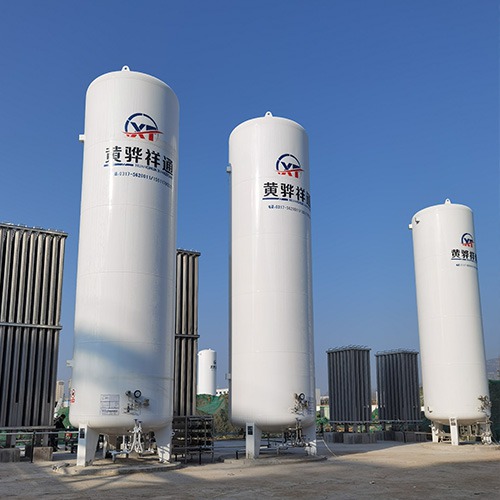
LNG is stored at approximately -162 degrees Celsius, a temperature at which natural gas condenses into a liquid state that is roughly 600 times denser than its gaseous form. This dramatic volume reduction enables economical storage and transport, but it creates a demanding set of requirements for the storage vessels themselves. Cryogenic storage tanks used in LNG fueling stations are purpose-built vacuum-insulated vessels designed to minimize heat ingress and maintain the fuel in a stable liquid condition. The performance of these tanks directly determines how much boil-off gas a station generates — a critical metric from both operational and environmental standpoints. Leading manufacturers in the pressure vessel industry now produce double-wall insulated tanks that routinely achieve boil-off rates well below 0.1% per day, a substantial improvement over earlier generation designs.
Key Components of an LNG Station Storage System
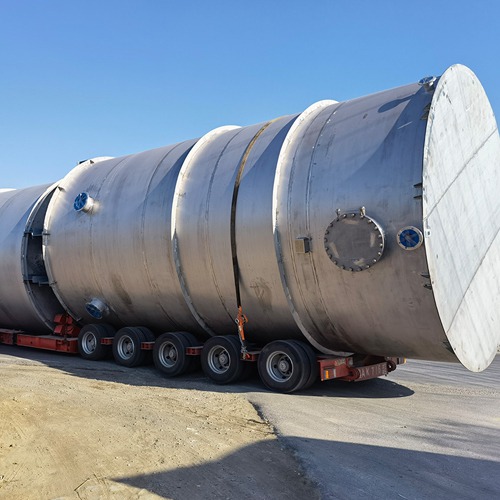
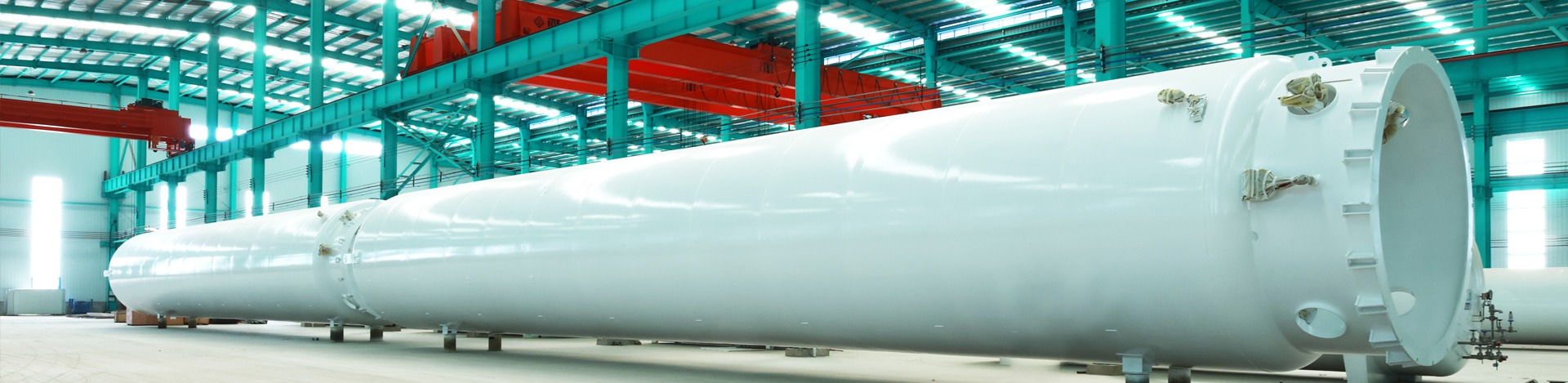
A fully functional LNG refueling station storage system comprises several integrated subsystems working in concert. The primary cryogenic storage tank holds the LNG supply, typically ranging in capacity from 50 cubic meters for small station installations up to 200 cubic meters or more for high-throughput facilities serving long-haul trucking corridors. Surrounding this central vessel is the tank insulation system, usually a vacuum-jacketed annulus or perlite-filled annular space, which is responsible for thermal performance. Beyond the tank itself, the system includes pressure management equipment such as pressure-building vaporizers, relief valves calibrated per ASME requirements, and low-pressure storage sumps. Transfer pumps move LNG from the storage tank to dispensers, while gas detection and fire suppression systems provide the critical safety layers that protect personnel and equipment alike.
Safety Standards and Regulatory Compliance
Safety considerations permeate every layer of LNG station design. NFPA 59A governs the production, storage, and handling of LNG at stationary facilities, establishing requirements for tank spacing, vapor dispersion modeling, emergency shutdown systems, and fire protection. In parallel, ASME Section VIII sets the baseline for pressure vessel design and fabrication, while the DOT regulates the transport of LNG and its associated equipment. Station operators in China must also satisfy requirements set by the Ministry of Emergency Management and comply with applicable GB standards for pressure equipment. A competent supplier will ensure that all storage components carry the required certifications and that the station layout has been reviewed for conformity with both national and international safety codes.
Sizing and Throughput Planning
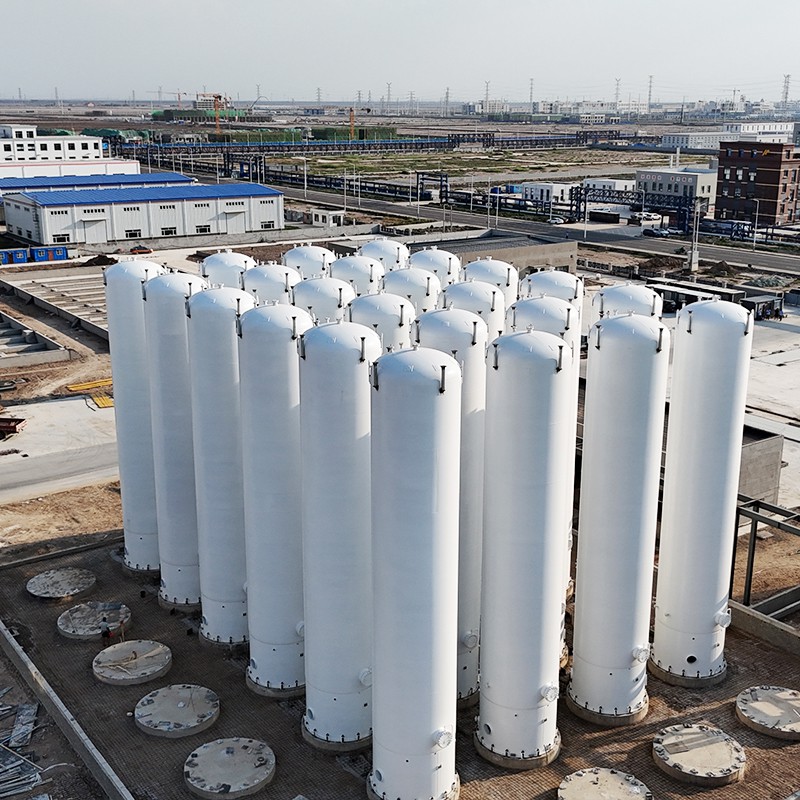
Selecting the appropriate storage tank size for a given LNG station requires careful analysis of anticipated demand patterns. Peak-hour throughput, daily vehicle volume, and the typical refill frequency of target vehicle fleets all influence the required storage capacity. Overly small tanks result in frequent replenishment deliveries, driving up logistics costs and risking supply interruptions during high-demand periods. Tanks that are oversized relative to actual demand impose unnecessary capital expenditure and increase boil-off losses. Modern LNG fueling facilities often employ a combination of primary bulk storage and satellite tank configurations, allowing operators to optimize inventory management while maintaining a reliable buffer for surge demand. Working with an experienced manufacturer during the sizing phase helps ensure that capacity planning aligns with realistic operational projections rather than theoretical maximums.
Supply Chain Integration and Operational Considerations
The storage system at an LNG refueling station does not operate in isolation — it is a node in a broader supply chain that includes LNG production at coastal or pipeline-connected facilities, specialized cryogenic transport, and distribution to end-users. The quality of the LNG delivered to the station, including its composition and energy content, affects engine performance and emissions outcomes for the vehicles being fueled. Station operators should establish clear specifications with their LNG suppliers and monitor delivered product quality on a routine basis. Routine maintenance of storage tanks, transfer systems, and dispensers follows manufacturer-recommended schedules and typically includes periodic tightness testing, insulation performance verification, and calibration of flow measurement equipment to maintain billing accuracy and regulatory compliance.
References
NFPA 59A: Standard for the Production, Storage, and Handling of Liquefied Natural Gas (LNG), 2019 Edition
ASME Boiler and Pressure Vessel Code, Section VIII, Division 1, 2023 Edition
API 620 Standard: Design and Construction of Large, Welded, Low-Pressure Storage Tanks, 14th Edition
GASTEC Guidelines for Liquefied Natural Gas Fueling Station Safety, 2022
ISO 16904: Petroleum and Natural Gas Industries — Design and Operation of LNG Floating terminals