








Structural Strength and Anti-Rollover Design Considerations for Mobile Cryogenic Liquid Tankers
Mobile cryogenic liquid tankers, used for transporting liquefied gases such as LNG, liquid nitrogen, or LPG, face unique structural and operational challenges. Ensuring structural integrity under dynamic loads and preventing rollover accidents are critical for safety during transport.
1. Structural Strength Considerations
Tank Shell and Head Design:
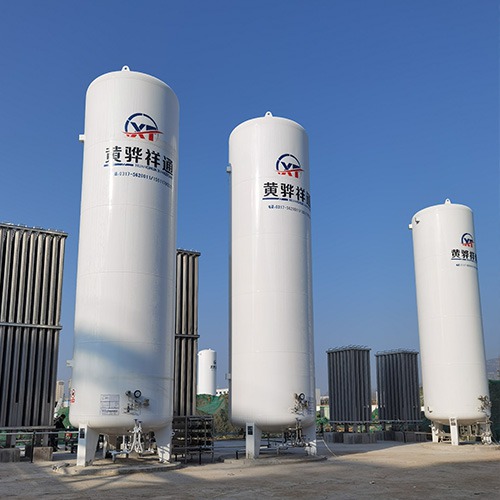
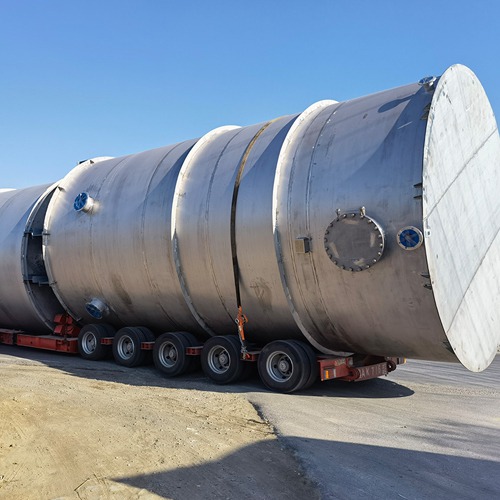
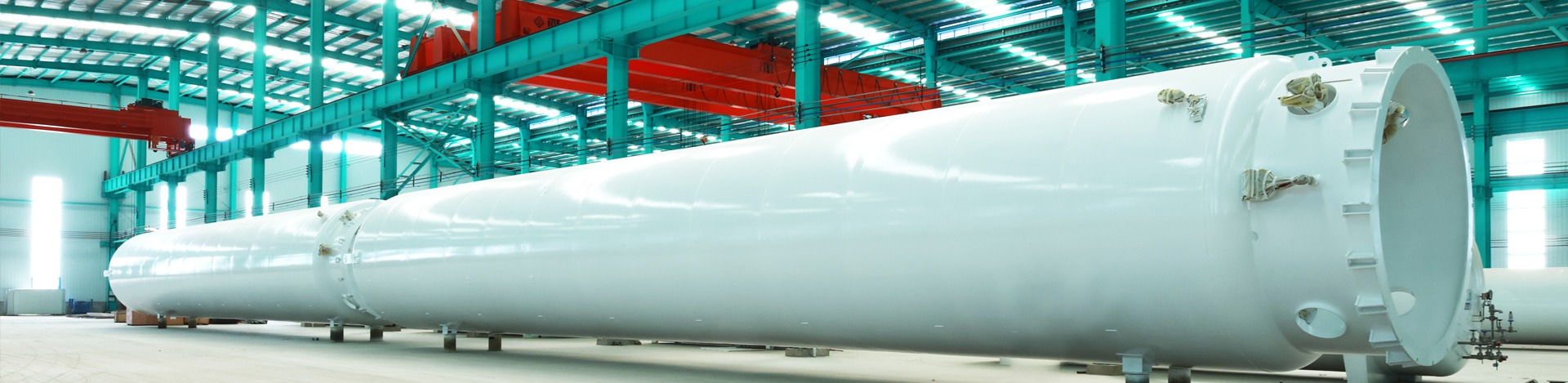
The cylindrical shell and hemispherical or elliptical heads must withstand internal pressure, thermal stresses, and dynamic loads during acceleration, braking, and cornering. Material selection (typically stainless steel or nickel-alloy steel) ensures strength and low-temperature toughness.
Support and Chassis Integration:
The tank is mounted on a vehicle chassis via saddles or supports that evenly distribute weight and minimize stress concentrations. Supports are designed to absorb vibration and prevent fatigue under road-induced loading.
Thermal Insulation:
Double-walled construction with vacuum or high-performance insulation reduces heat ingress. Insulation layers must maintain structural integrity during vibrations and dynamic movements.
Load Analysis:
Dynamic load conditions, including braking, acceleration, and uneven terrain, are analyzed using finite element methods (FEM) to predict stress distribution and identify reinforcement requirements.
2. Anti-Rollover Design Measures
Lowering Center of Gravity:
Tank geometry and placement on the chassis are optimized to minimize the vehicle’s center of gravity. Horizontal orientation and low positioning reduce rollover risk.
Baffle Design:
Internal baffles limit liquid sloshing, which can shift the center of gravity and destabilize the vehicle. Properly spaced and sized baffles reduce dynamic loads on tank walls.
Chassis and Suspension Optimization:
Reinforced suspension systems, wider wheelbases, and stabilizing features enhance vehicle stability during cornering and sudden maneuvers.
Load and Speed Management:
Operational protocols, such as limiting fill level to maintain freeboard and enforcing safe speed limits on curves, further reduce rollover risks.
Dynamic Simulation:
Vehicle dynamics simulation under various road conditions helps validate anti-roll design features, including baffle effectiveness and chassis response.
3. Safety and Compliance
Compliance with standards such as the ADR (European Agreement concerning the International Carriage of Dangerous Goods by Road), NFPA 58 (Liquefied Petroleum Gas Code), and national transportation regulations ensures structural integrity and rollover safety.
Regular inspection and maintenance of the tanker, including chassis, supports, and baffles, are crucial for ongoing safety.
Conclusion
The structural strength and anti-rollover safety of mobile cryogenic liquid tankers depend on careful material selection, shell and support design, baffle configuration, and vehicle dynamics optimization. Integrating FEM analysis and dynamic simulations with operational safety protocols ensures reliable, safe transportation of cryogenic liquids under various road and environmental conditions.
References
ADR – European Agreement Concerning the International Carriage of Dangerous Goods by Road.
NFPA 58 – Liquefied Petroleum Gas Code.
Barron, R.F. (1999). Cryogenic Systems, 2nd Edition. CRC Press.
Totten, G.E. (2006). Steel Heat Treatment: Metallurgy and Technologies. CRC Press.
Bratt, R., & Mort, P. (2015). Cryogenic Engineering: Fifty Years of Progress. Springer.