








Why Welding Quality Determines Cryogenic Tank Performance
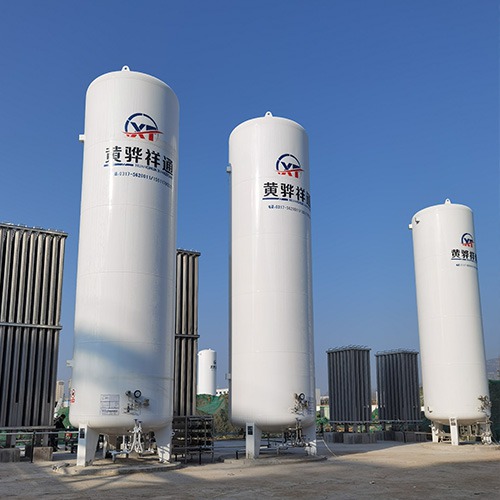
Low temperature liquid storage tank systems are designed to safely contain cryogenic fluids such as liquefied gases and other temperature-sensitive liquids. These tanks operate under extreme thermal conditions, where even small structural defects can result in performance loss, safety risks, or costly downtime. Among all design and fabrication factors, welding quality plays a decisive role in determining the long-term reliability of a low temperature liquid storage tank.
Supported by Manufacturer-controlled Production and Factory-scale bulk supply, modern cryogenic tanks rely on precise welding techniques to ensure leak-tightness, strength, and thermal stability. Understanding why welding matters helps engineers and buyers select safer and more durable tank solutions.
Introduction to Low Temperature Liquid Storage Tank Systems
Cryogenic tanks store liquids at temperatures far below ambient levels. These conditions demand exceptional material stability and construction accuracy. Unlike ordinary pressure vessels, a low temperature liquid storage tank must handle contraction, thermal cycling, and pressure changes without compromising integrity.
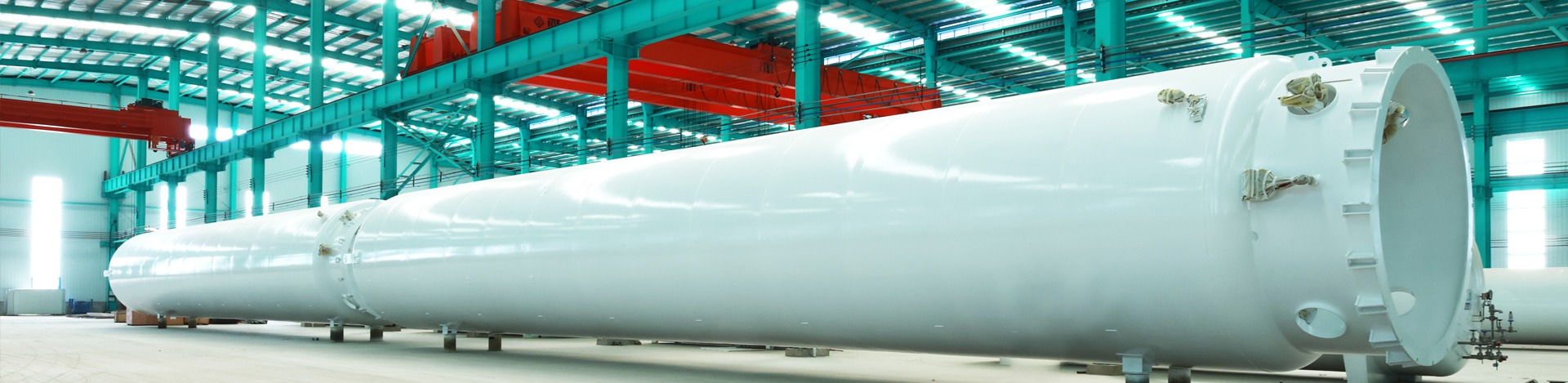
During Manufacturer Production, fabrication focuses on material selection, joint preparation, and welding consistency. Factory bulk supply ensures tanks are built under controlled environments for large industrial and energy applications.
What Makes Cryogenic Tanks Unique
Extreme cold causes metals to behave differently. Some materials become brittle, while others shrink, creating internal stresses at joints and seams.
Unique challenges include:
·Thermal contraction of tank shells
·Pressure variations from vaporization
·Multilayer insulation systems
·Long-term fatigue under temperature cycles
For a low temperature liquid storage tank, welding joints become the most critical zones where failure could initiate if quality is not controlled properly.
The Role of Welding in Structural Integrity
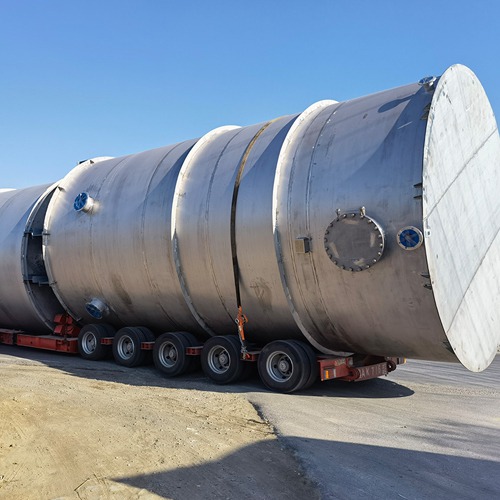
Welding connects shell plates, nozzles, and structural reinforcements. High-quality welds distribute stress evenly across the tank body, while poor welds concentrate stress and lead to cracking.
Structural benefits of proper welding include:
·Uniform load distribution
·Resistance to deformation
·Stable joint geometry
·Long-term fatigue resistance
Manufacturer Production uses qualified welding procedures, while Factory fabrication maintains consistent heat input and joint preparation for bulk tank production.
Preventing Leakage at Extremely Low Temperatures
Leak prevention is one of the most important functions of welding in a low temperature liquid storage tank. Cryogenic liquids can penetrate even microscopic defects, causing loss of product and potential hazards.
Welding quality prevents:
·Micro-cracks at seams
·Porosity in joints
·Incomplete fusion
·Thermal stress fractures
Factory-controlled Production integrates non-destructive testing and process monitoring so Manufacturer output ensures leak-tight performance in cryogenic service environments.
Welding Quality and Thermal Insulation Performance
Cryogenic tanks rely on insulation to minimize heat ingress. However, welding defects can interrupt insulation continuity and create thermal bridges.
Quality welding supports:
·Consistent insulation attachment
·Reduced heat leakage paths
·Stable vacuum or multilayer insulation systems
·Improved energy efficiency
By coordinating welding and insulation processes during Production, Manufacturer operations allow Factory bulk supply tanks to maintain thermal stability during long-term use.
Material Compatibility and Weld Behavior
Materials used in low temperature liquid storage tank construction must retain toughness at cryogenic temperatures. Welding must not degrade this performance.
Important considerations include:
·Controlled heat input
·Matching filler materials
·Post-weld treatment
·Avoidance of hydrogen embrittlement
Manufacturer Production selects welding parameters carefully so Factory-produced tanks maintain both mechanical strength and low-temperature ductility across all joints.
Safety, Standards, and Reliability
Safety is a core requirement for any cryogenic system. Welding quality directly affects compliance with pressure vessel and cryogenic safety practices.
Reliability benefits include:
·Reduced risk of rupture
·Stable operation under cycling loads
·Long service life
·Lower maintenance costs
Factory bulk supply tanks undergo inspection and testing so Manufacturer Production aligns welding quality with operational reliability expectations in industrial environments.
Manufacturer Production and Factory Bulk Supply
High-performance cryogenic tanks depend on advanced manufacturing systems. Professional Manufacturer facilities manage:
·Welding procedure qualification
·Automated and manual welding coordination
·Dimensional accuracy control
·Inspection and testing integration
·Packaging and logistics
Factory bulk supply ensures:
·Consistent tank geometry
·Stable welding quality
·Efficient large-volume Production
·Predictable delivery schedules
This integrated approach allows low temperature liquid storage tank systems to meet technical and commercial project demands simultaneously.
Applications of Low Temperature Liquid Storage Tank
Low temperature liquid storage tank solutions are widely used in:
·Energy and gas industries
·Chemical processing plants
·Medical and research facilities
·Industrial gas distribution
·Cold-chain infrastructure
Supported by Manufacturer Production capacity and Factory bulk supply, these tanks serve both stationary and mobile cryogenic storage needs.
How to Ensure High Welding Quality
To achieve reliable cryogenic performance, focus on:
·Qualified welding procedures
·Skilled welding operators
·Consistent joint preparation
·Inspection and testing protocols
·Process control during Production
Coordinating these elements with Manufacturer and Factory systems ensures every low temperature liquid storage tank delivers stable, safe, and efficient performance.
Conclusion: Welding Quality Defines Cryogenic Tank Reliability
Low temperature liquid storage tank performance depends heavily on welding quality. From structural strength and leak prevention to thermal efficiency and long-term safety, weld integrity defines how well a tank performs under extreme cold conditions.
Backed by Manufacturer-controlled Production and Factory-level bulk supply, high-quality welding transforms cryogenic tanks into reliable, durable, and efficient storage solutions. Choosing professional fabrication processes ensures every low temperature liquid storage tank delivers consistent protection, performance, and operational confidence in demanding environments.
References
GB/T 7714:Lancaster J F. Metallurgy of welding[M]. Elsevier, 1999.
MLA:Lancaster, John Frederick. Metallurgy of welding. Elsevier, 1999.
APA:Lancaster, J. F. (1999). Metallurgy of welding. Elsevier.