








Why LNG Plants Use Double-Layer Cryogenic Tanks
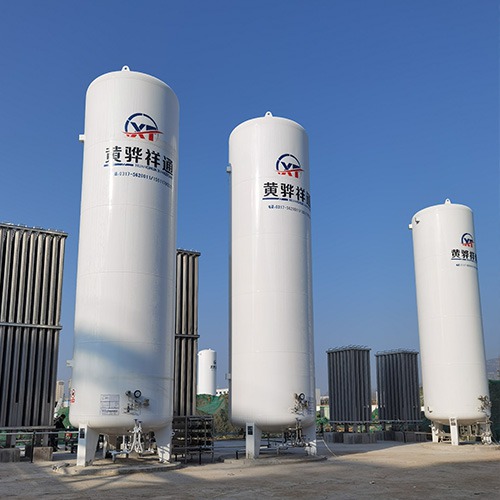
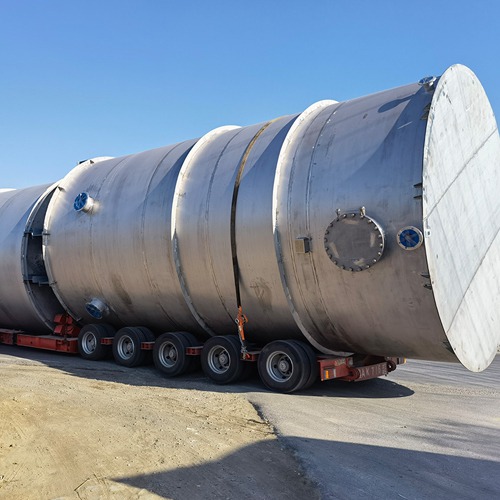
LNG Storage Tanks are a critical infrastructure component in liquefied natural gas plants, ensuring the safe and efficient storage of LNG at extremely low temperatures. As LNG production capacity expands worldwide, the demand for higher safety standards and operational efficiency has driven the widespread adoption of double-layer cryogenic tank designs.
For manufacturers engaged in large-scale production and bulk supply, double-layer LNG storage tanks have become the industry standard due to their superior thermal performance, structural reliability, and long-term operational stability.
Understanding the Challenges of LNG Storage
Liquefied natural gas is typically stored at temperatures around –162°C, which presents unique engineering challenges. At such low temperatures, even minimal heat ingress can lead to rapid vaporization, pressure fluctuations, and energy loss.
Key challenges in LNG storage include:
·Minimizing heat transfer from the environment
·Maintaining structural integrity under thermal stress
·Preventing leakage and ensuring operational safety
·Supporting long-term, continuous storage
Double-layer cryogenic tank designs directly address these challenges and offer measurable advantages over single-layer alternatives.
What Is a Double-Layer Cryogenic Tank?
A double-layer cryogenic tank consists of:
·An inner tank, which directly contains the LNG
·An outer tank, which provides structural support and environmental protection
·An insulation system located between the two layers
This configuration creates a controlled thermal and structural barrier that enhances overall performance. In modern LNG plants, LNG Storage Tanks with double-layer construction are widely adopted to meet both technical and regulatory requirements.
Enhanced Thermal Insulation Performance
One of the primary reasons LNG plants choose double-layer tanks is improved insulation efficiency. The space between the inner and outer tanks allows for advanced insulation materials and vacuum systems that significantly reduce heat transfer.
Benefits include:
·Lower boil-off gas rates
·Improved temperature stability
·Reduced energy consumption over time
From a production perspective, standardized insulation systems can be consistently applied during manufacturing, ensuring uniform performance across batch-produced LNG storage tanks.
Improved Safety and Risk Containment
Safety is a top priority in LNG facilities. Double-layer designs provide an additional level of protection by isolating the LNG from external environmental risks.
Safety advantages include:
·Secondary containment in case of inner tank leakage
·Reduced risk of external impact damage
·Controlled pressure behavior during abnormal conditions
These features make double-layer LNG Storage Tanks particularly suitable for large-scale industrial plants where operational risks must be minimized.
Structural Strength and Long-Term Reliability
Double-layer tanks offer enhanced mechanical strength by separating the functions of containment and load-bearing. The inner tank focuses on cryogenic compatibility, while the outer tank handles structural loads and environmental exposure.
This separation results in:
·Reduced material fatigue
·Better resistance to thermal expansion and contraction
·Longer service life
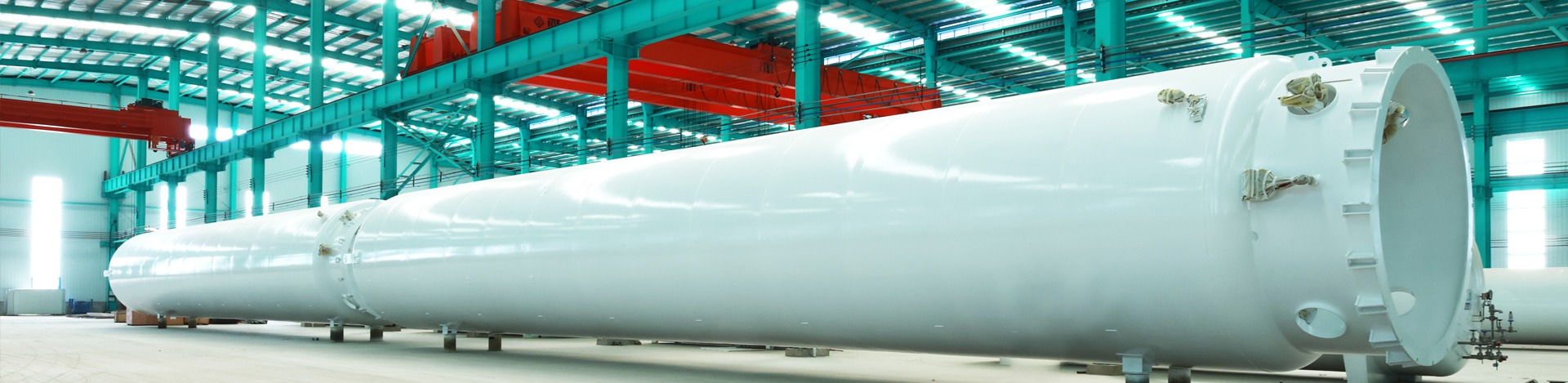
Manufacturers with established production capabilities can maintain strict quality control during fabrication, ensuring that both layers meet precise engineering standards.
Operational Efficiency in Large LNG Plants
Modern LNG plants operate continuously and at high capacity. Any disruption in storage efficiency can lead to significant operational losses.
Double-layer LNG Storage Tanks support:
·Stable long-term storage
·Predictable pressure management
·Reduced maintenance frequency
For facilities relying on consistent LNG output, this design supports uninterrupted production and reliable downstream supply.
Regulatory Compliance and Industry Standards
International LNG safety regulations and engineering standards increasingly favor or require double-layer cryogenic storage solutions. These tanks are better aligned with requirements related to containment, insulation, and emergency response.
For manufacturers involved in global LNG projects, producing tanks that meet these standards is essential for market access and long-term cooperation with plant operators.
Advantages for Manufacturers and Bulk Supply
From a manufacturing standpoint, double-layer cryogenic tanks offer scalability and consistency. Once design parameters are standardized, production can be efficiently scaled to meet large project demands.
Key production advantages include:
·Repeatable fabrication processes
·Consistent quality across batch supply
·Easier integration into modular LNG plant designs
These factors make double-layer LNG Storage Tanks the preferred choice for large-volume production and international supply projects.
Environmental and Economic Considerations
Reducing LNG losses through improved insulation and containment directly contributes to environmental protection and cost savings. Lower boil-off rates mean fewer emissions and more efficient resource utilization.
Over the lifecycle of a storage tank, the initial investment in double-layer construction is often offset by:
·Lower operating costs
·Reduced maintenance needs
·Extended service life
Conclusion: The Industry Standard for LNG Storage
Double-layer cryogenic tanks have become the industry standard for modern LNG plants due to their superior thermal efficiency, safety performance, and structural reliability. LNG Storage Tanks designed with double-layer construction provide long-term value for operators while meeting the high expectations of regulatory bodies and global energy markets.
For industrial users seeking dependable storage solutions backed by experienced manufacturers and stable production capacity, double-layer LNG storage tanks represent a proven and efficient choice for large-scale LNG applications.
References
GB/T 7714:Kalinin V, Tada E, Millet F, et al. ITER cryogenic system[J]. Fusion Engineering and Design, 2006, 81(23-24): 2589-2595.
MLA:Kalinin, V., et al. "ITER cryogenic system." Fusion Engineering and Design 81.23-24 (2006): 2589-2595.
APA:Kalinin, V., Tada, E., Millet, F., & Shatil, N. (2006). ITER cryogenic system. Fusion Engineering and Design, 81(23-24), 2589-2595.