








What Determines LNG Storage Tank Pricing?
What Determines LNG Storage Tank Pricing?
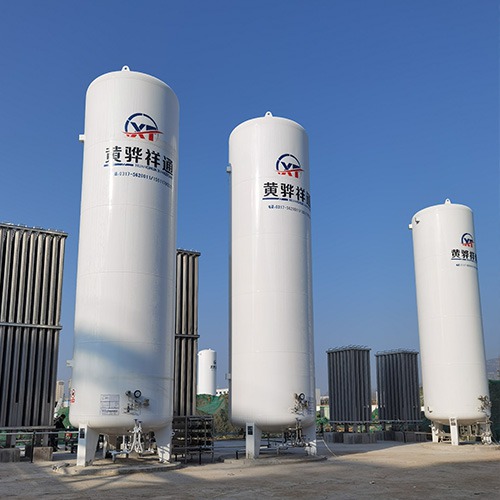
LNG Storage Tanks are essential infrastructure in the global natural gas and energy industry. They are designed to safely store liquefied natural gas at extremely low temperatures, making their engineering complexity significantly higher than that of conventional storage tanks. As a result, LNG storage tank pricing is influenced by a wide range of technical, material, and production-related factors.
Understanding these factors helps project planners, engineers, and buyers make informed decisions when evaluating LNG storage tanks for industrial and energy applications.
Tank Capacity and Design Specifications
One of the most important factors affecting LNG storage tank pricing is capacity. Larger tanks require more materials, more complex structural reinforcement, and longer production cycles.
Design specifications such as operating pressure, temperature range, and safety margins also play a major role. LNG storage tanks must accommodate thermal contraction, internal pressure changes, and external environmental loads, all of which increase engineering and fabrication requirements.
Material Selection and Cost Impact
Materials account for a significant portion of LNG storage tank pricing. These tanks operate at cryogenic temperatures, so materials must maintain strength and toughness under extreme cold conditions.
Specialized steels and alloys designed for low-temperature service are commonly used. The availability, processing difficulty, and quality requirements of these materials directly affect overall cost. Strict material inspection and traceability during production further contribute to pricing differences.
Manufacturing Complexity and Production Processes
LNG storage tanks require advanced manufacturing techniques, including precision forming, high-quality welding, and controlled heat treatment. Each of these processes demands specialized equipment and skilled labor.
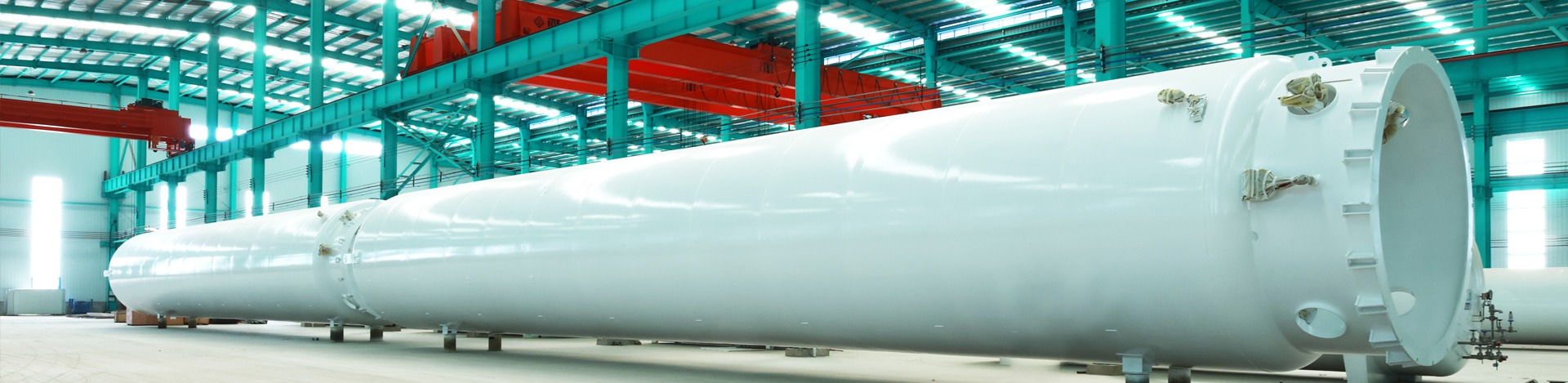
From a manufacturer perspective, consistent production standards are critical for maintaining safety and performance. Tanks produced under controlled factory conditions typically reflect higher value due to improved reliability and longer service life.
Quality Control, Testing, and Certification
Extensive inspection and testing are mandatory for LNG storage tanks. Non-destructive testing, pressure testing, and dimensional verification are standard steps before delivery.
Compliance with applicable engineering codes and safety standards adds additional cost but ensures safe operation. Comprehensive quality control throughout production helps reduce long-term risk and is an important factor in pricing evaluation.
Insulation Systems and Thermal Performance
Thermal insulation is a core element of LNG storage tank design. Effective insulation minimizes heat transfer and reduces LNG boil-off, directly influencing operational efficiency.
Advanced insulation systems require specialized materials and precise installation, which increases production cost. However, higher-quality insulation can significantly reduce long-term operating expenses, making it an important consideration in pricing analysis.
Customization and Project Requirements
Customization is another factor that influences LNG storage tank pricing. Tanks designed for specific site conditions, integration requirements, or regulatory environments often require additional engineering and fabrication work.
Custom nozzles, monitoring systems, or support structures increase complexity and production time. While standardized designs may offer cost advantages, custom solutions are often necessary for large-scale energy projects.
Production Scale and Bulk Supply Considerations
Production scale has a noticeable impact on LNG storage tank pricing. Projects requiring multiple tanks benefit from standardized designs and batch production, which improve efficiency and reduce per-unit cost.
Factories with stable production capacity are better equipped to support bulk supply, consistent quality, and coordinated delivery schedules. This production advantage is often reflected in more competitive pricing for large projects.
Logistics, Installation, and Project Timeline
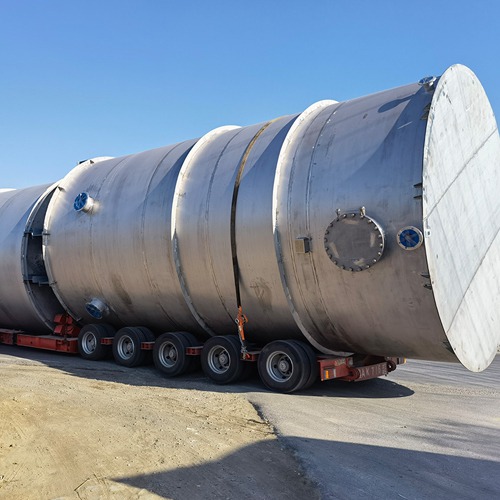
Transportation, site installation, and project timelines also affect overall pricing. LNG storage tanks are large, heavy, and require careful handling during delivery and assembly.
Extended project timelines or complex installation conditions may increase indirect costs, which are often considered during pricing evaluation.
Market Conditions and Supply Chain Factors
Global market conditions influence material availability, labor costs, and energy prices, all of which impact LNG storage tank pricing. Supply chain stability and lead times play an increasingly important role in project planning.
Manufacturers with integrated production planning and factory-level coordination are generally better positioned to manage these fluctuations.
Final Thoughts on LNG Storage Tanks
LNG Storage Tanks are highly engineered systems, and their pricing reflects the complexity, safety requirements, and production standards involved. Factors such as capacity, materials, manufacturing processes, quality control, and production scale all contribute to overall cost.
For industrial and energy projects, evaluating LNG storage tank pricing requires looking beyond initial cost to consider long-term performance, safety, and reliability. Professionally produced LNG storage tanks, supported by controlled manufacturing and stable factory production, remain a critical investment in modern energy infrastructure.
References
GB/T 7714:Mokhatab S, Mak J Y, Valappil J V, et al. Handbook of liquefied natural gas[M]. Gulf Professional Publishing, 2013.
MLA:Mokhatab, Saeid, et al. Handbook of liquefied natural gas. Gulf Professional Publishing, 2013.
APA:Mokhatab, S., Mak, J. Y., Valappil, J. V., & Wood, D. A. (2013). Handbook of liquefied natural gas. Gulf Professional Publishing.