








Vacuum Insulation vs Composite Insulation in Cryogenic Tanks
Insulation Choices for Low-Temperature Storage Tanks
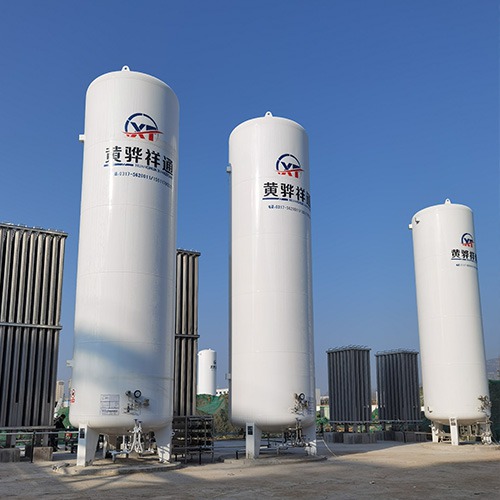
Low-temperature storage tanks play a critical role in industries handling liquefied gases such as LNG, liquid nitrogen, liquid oxygen, and other cryogenic fluids. Maintaining extremely low temperatures while minimizing heat ingress is essential for safety, efficiency, and product integrity.
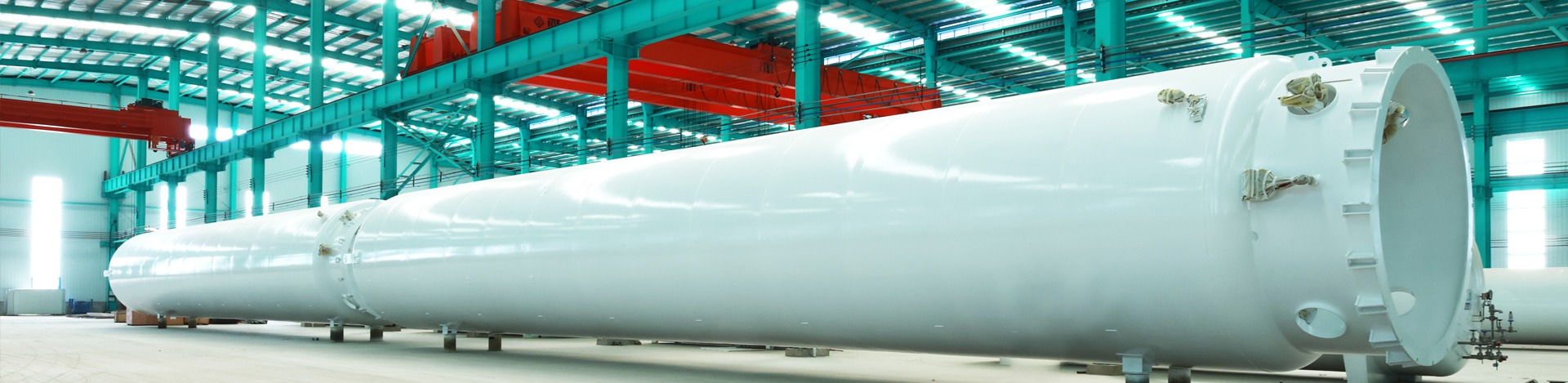
From the viewpoint of a low-temperature storage tanks manufacturer with stable production capability and experience in batch supply, insulation system selection is one of the most important design decisions. Among the available solutions, vacuum insulation and composite insulation are two widely adopted approaches, each with distinct advantages and limitations.
Why Insulation Matters in Cryogenic Tanks
Cryogenic tanks operate at temperatures far below ambient conditions. Any heat leakage into the tank can cause excessive boil-off, increased pressure, and energy losses. Effective insulation systems help:
·Reduce thermal conductivity
·Maintain temperature stability
·Improve operational efficiency
·Extend service life of low-temperature storage tanks
For manufacturers supporting industrial-scale production, insulation performance directly impacts long-term reliability and lifecycle costs.
Understanding Vacuum Insulation
How Vacuum Insulation Works
Vacuum insulation relies on removing air between two walls of a tank to minimize heat transfer. With conduction and convection nearly eliminated, thermal radiation becomes the primary remaining heat transfer mechanism.
Vacuum-insulated low-temperature storage tanks often include:
·An inner cryogenic vessel
·An outer containment shell
·A vacuum space between the walls
·Additional radiation barriers such as multilayer insulation (MLI)
Advantages of Vacuum Insulation
Vacuum insulation is known for its high thermal efficiency.
Key benefits include:
·Extremely low heat ingress
·Reduced boil-off rates
·Compact insulation thickness
·Proven performance in long-term cryogenic storage
From a manufacturer perspective, vacuum insulation is well-suited for applications requiring precise thermal control and standardized production processes.
Limitations of Vacuum Insulation
Despite its efficiency, vacuum insulation has certain challenges:
·Higher initial manufacturing cost
·Strict requirements for vacuum integrity
·More complex fabrication and testing procedures
Maintaining vacuum quality throughout large-scale batch supply requires robust quality control systems.
Understanding Composite Insulation
What Is Composite Insulation?
Composite insulation combines multiple insulating materials—such as perlite, foam, fiberglass, or aerogel—to achieve thermal resistance through layered structures. Unlike vacuum insulation, composite systems rely on material properties rather than evacuated spaces.
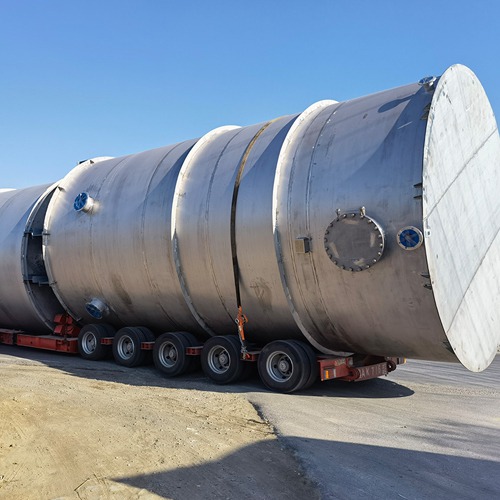
Composite insulation is commonly applied to low-temperature storage tanks with larger diameters or site-constructed configurations.
Advantages of Composite Insulation
Composite insulation offers flexibility and cost-effectiveness.
Key advantages include:
·Lower manufacturing and installation costs
·Easier inspection and repair
·Adaptability to various tank sizes and shapes
For manufacturers focused on flexible production and large-capacity tank projects, composite insulation can be a practical solution.
Limitations of Composite Insulation
Compared to vacuum insulation, composite systems generally have:
·Higher heat leakage
·Larger insulation thickness requirements
·Greater sensitivity to environmental conditions
These factors may increase long-term operational costs for low-temperature storage tanks.
Performance Comparison: Vacuum vs Composite Insulation
When comparing insulation systems, performance must be evaluated across multiple criteria.
Thermal Efficiency
Vacuum insulation typically delivers superior thermal performance, making it ideal for applications where minimal boil-off is critical.
Cost Considerations
Composite insulation generally offers lower upfront costs, while vacuum insulation may provide better lifecycle economics in continuous-operation scenarios.
Manufacturing Complexity
Vacuum-insulated tanks require precise fabrication and testing, whereas composite insulation allows more straightforward production workflows.
Maintenance and Durability
Composite insulation is often easier to repair, while vacuum systems demand careful monitoring to maintain insulation integrity.
Application Scenarios for Low-Temperature Storage Tanks
Different industries prioritize different insulation characteristics.
·Energy and LNG storage: Often favor vacuum insulation for efficiency
·Industrial gas storage: May use either system depending on scale
·Chemical processing: Composite insulation is common for large stationary tanks
·Research and medical facilities: Prefer vacuum insulation for temperature stability
A qualified low-temperature storage tanks manufacturer will evaluate operating conditions, capacity, and logistics before recommending an insulation approach.
Manufacturing and Production Considerations
From a manufacturer and production standpoint, insulation choice affects:
·Fabrication timelines
·Quality control requirements
·Transportation and installation logistics
·Scalability for batch supply
Manufacturers with advanced production capacity can support both vacuum and composite insulated tank designs, enabling flexible solutions for global projects.
Future Trends in Cryogenic Tank Insulation
Advancements in materials science continue to improve insulation performance. Hybrid insulation systems, combining vacuum and composite elements, are emerging as promising solutions for next-generation low-temperature storage tanks.
Improved monitoring technologies are also enhancing insulation reliability and predictive maintenance capabilities.
Conclusion
Both vacuum insulation and composite insulation offer viable solutions for cryogenic applications, but the optimal choice depends on operational priorities, cost considerations, and project scale.
For low-temperature storage tanks, selecting the appropriate insulation system requires collaboration with an experienced manufacturer capable of consistent production and reliable batch supply. By understanding the strengths and limitations of each insulation approach, stakeholders can achieve safe, efficient, and long-lasting cryogenic storage solutions.
References
GB/T 7714:Cryogenic engineering: fifty years of progress[J]. 2007.
MLA:Timmerhaus, Klaus D., and Richard P. Reed, eds. "Cryogenic engineering: fifty years of progress." (2007).
APA:Timmerhaus, K. D., & Reed, R. P. (Eds.). (2007). Cryogenic engineering: fifty years of progress.