








Troubleshooting Common Issues in Low-Temperature Storage Tanks
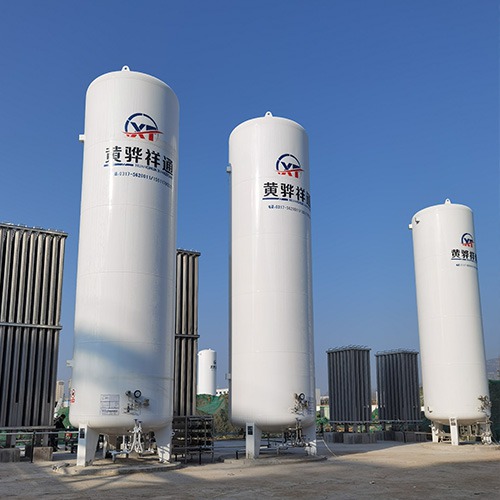
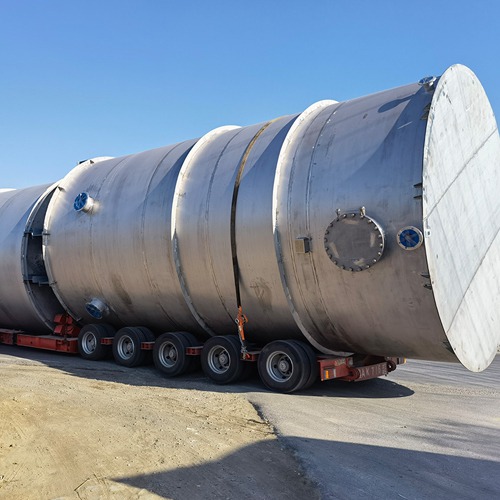
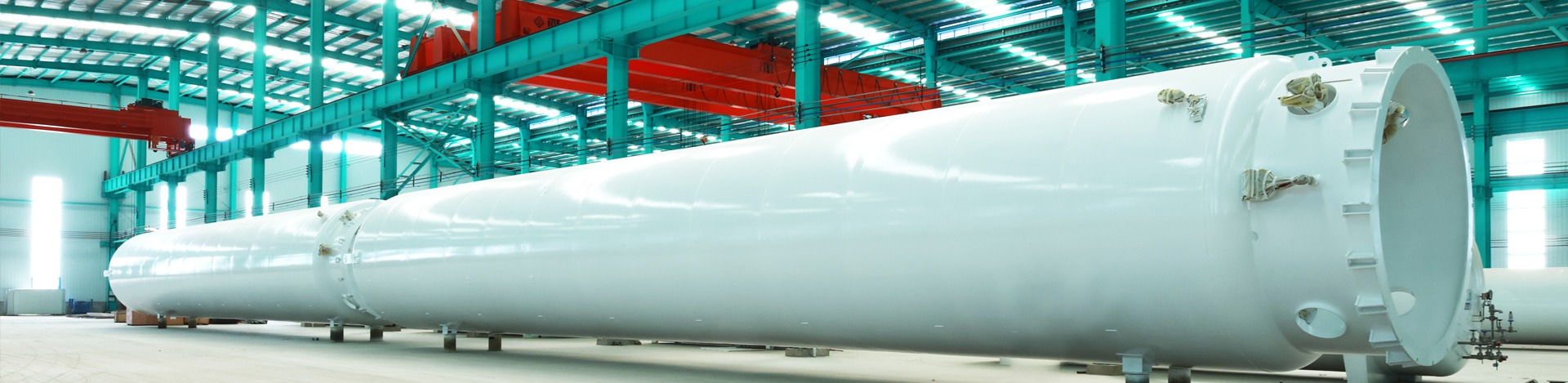
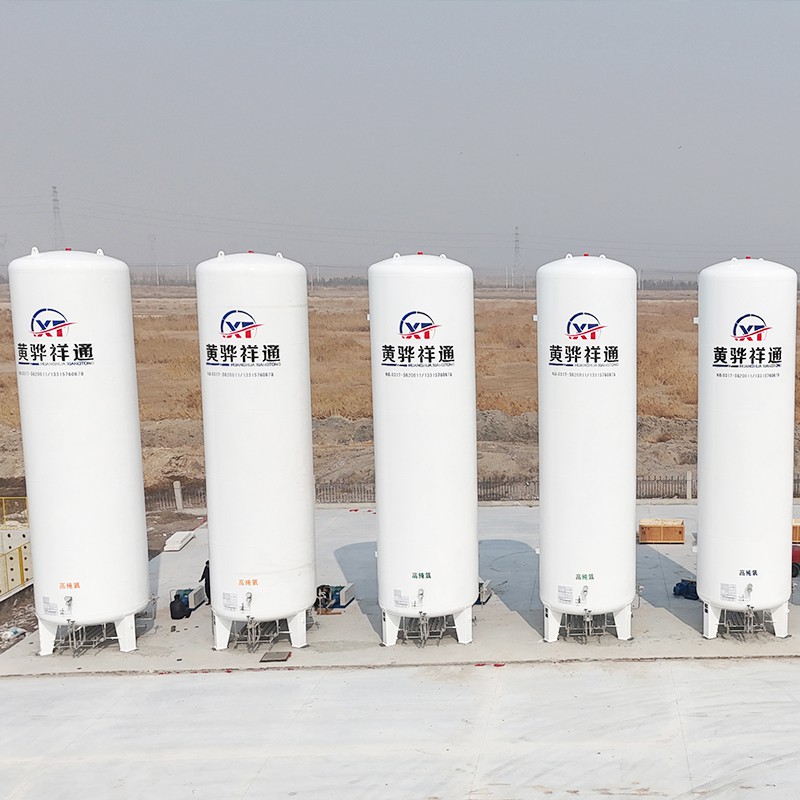
Low-temperature storage tanks are essential for safely storing cryogenic or refrigerated liquids used in industrial, energy, and chemical applications. These tanks operate under extreme temperature conditions, which places high demands on design, installation, and long-term operation. Even with proper engineering, operational issues can arise over time.
From a manufacturer’s perspective, understanding common problems and their root causes helps improve both production quality and field performance. This article outlines typical issues encountered in low-temperature storage tanks and provides practical troubleshooting approaches.
Understanding Operating Conditions of Low-Temperature Storage Tanks
Low-temperature storage tanks are designed to handle liquids at temperatures far below ambient levels. These conditions create challenges such as thermal contraction, insulation performance degradation, and pressure management.
Key operational factors include:
·Cryogenic or refrigerated temperature ranges
·Continuous thermal cycling
·Internal pressure variations
·Long-term exposure to environmental conditions
Effective troubleshooting begins with a clear understanding of these operating realities.
Issue 1: Increased Heat Ingress
Symptoms
·Rising internal temperature
·Increased boil-off or evaporation rate
·Higher energy consumption
Possible Causes
·Insulation damage or aging
·Moisture penetration into insulation layers
·Improper installation of insulation systems
Troubleshooting Approach
Inspect insulation integrity and check for cold spots or condensation on the tank exterior. In many cases, insulation degradation develops gradually and may not be visible without thermal imaging or detailed inspection.
Manufacturers often recommend periodic inspection schedules to detect early signs of insulation performance loss.
Issue 2: Abnormal Pressure Fluctuations
Symptoms
·Frequent activation of pressure relief valves
·Unstable internal pressure readings
·Increased venting activity
Possible Causes
·Excessive heat ingress
·Malfunctioning pressure control devices
·Blocked or undersized vent systems
Troubleshooting Approach
Verify the functionality of pressure relief and venting systems. Instrument calibration should be checked to ensure pressure data accuracy. Pressure-related issues are often interconnected with insulation performance and boil-off management.
Issue 3: Structural Stress and Deformation
Symptoms
·Visible distortion or misalignment
·Unusual noises during temperature changes
·Cracking in external structures or supports
Possible Causes
·Insufficient allowance for thermal contraction
·Foundation settlement
·Improper support or anchoring design
_storage_tank.jpg)
Troubleshooting Approach
Evaluate whether thermal movement allowances are functioning as designed. Structural inspections should focus on supports, anchors, and sliding components that accommodate temperature-induced movement.
Manufacturers factor thermal stress into tank design during production, but installation and site conditions must align with these assumptions.
Issue 4: Leakage at Connections and Nozzles
Symptoms
·Frost formation around joints
·Localized temperature anomalies
·Pressure loss
Possible Causes
·Seal material incompatibility with low temperatures
·Improper torque or installation
·Thermal cycling fatigue
Troubleshooting Approach
Inspect seals, gaskets, and connection points using appropriate cryogenic inspection procedures. Replacement materials should be verified for low-temperature compatibility.
Routine checks help prevent minor leaks from developing into serious safety concerns.
Issue 5: Instrumentation and Sensor Failures
Symptoms
·Inconsistent temperature or pressure readings
·Sudden data loss
·Alarm system malfunctions
Possible Causes
·Sensor exposure beyond design temperature range
·Cable insulation degradation
·Moisture ingress
Troubleshooting Approach
Confirm sensor specifications and installation locations. Sensors used in low-temperature storage tanks must be rated for continuous cryogenic operation. Regular calibration and replacement schedules improve data reliability.
Issue 6: Corrosion and Material Degradation
Symptoms
·Surface corrosion on external structures
·Reduced insulation effectiveness
·Material embrittlement
Possible Causes
·Environmental exposure
·Condensation-related corrosion
·Inadequate protective coatings
Troubleshooting Approach
Assess protective coatings and drainage systems. While internal components are designed for low-temperature service, external corrosion can compromise overall system reliability if left unaddressed.
Preventive Measures Through Proper Production and Design
Many operational issues can be minimized through robust design and controlled production processes. From a manufacturer’s standpoint, preventive strategies include:
·Material selection optimized for low-temperature performance
·Precision fabrication and welding during production
·Factory testing before delivery
Consistent production standards help ensure uniform quality across bulk supply projects.
Maintenance Best Practices for Long-Term Reliability
To maintain optimal performance of low-temperature storage tanks, operators should implement:
·Regular visual and thermal inspections
·Instrument calibration schedules
·Insulation performance assessments
·Documentation of operational trends
Proactive maintenance reduces downtime and extends service life.
When to Consult the Manufacturer
Certain issues require direct manufacturer involvement, particularly when:
·Structural concerns are identified
·Performance deviates from design parameters
·Major repairs or retrofits are planned
Manufacturers with stable production capabilities can provide technical support, replacement components, and guidance aligned with original design intent.
Conclusion: Proactive Troubleshooting Ensures Safe Operation
Effective troubleshooting is essential for maintaining the safety and efficiency of low-temperature storage tanks. By understanding common issues such as heat ingress, pressure instability, structural stress, and instrumentation failure, operators can take timely corrective action.
For industrial projects requiring long-term reliability and consistent performance, sourcing low-temperature storage tanks from a professional manufacturer with proven production capability and bulk supply experience provides a strong foundation for safe operation and efficient maintenance over the full lifecycle of the system.
References
GB/T 7714:Mokhatab S, Mak J Y, Valappil J V, et al. Handbook of liquefied natural gas[M]. Gulf Professional Publishing, 2013.
MLA:Mokhatab, Saeid, et al. Handbook of liquefied natural gas. Gulf Professional Publishing, 2013.
APA:Mokhatab, S., Mak, J. Y., Valappil, J. V., & Wood, D. A. (2013). Handbook of liquefied natural gas. Gulf Professional Publishing.