








Top Safety Rules for Using Liquid Oxygen Storage Tanks
Liquid Oxygen Storage Tanks play a critical role in medical, industrial, aerospace, and research applications. Because liquid oxygen is stored at extremely low temperatures and supports rapid combustion, strict safety practices are essential throughout handling, storage, and operation. From design considerations to daily use, understanding safety rules helps prevent accidents and ensures system reliability.
As a Liquid Oxygen Storage Tanks manufacturer with controlled production capacity, safety awareness is not only a regulatory requirement but also a foundation for consistent quality and large-scale supply. This article outlines key safety rules and operational principles that should be followed to reduce risk and improve long-term performance.
1. Understanding the Hazards of Liquid Oxygen
Liquid oxygen is not flammable by itself, but it significantly accelerates combustion. Materials that are normally non-combustible can ignite easily in oxygen-enriched environments. Additionally, liquid oxygen is stored at cryogenic temperatures (around –183°C), which introduces risks such as:
·Severe cold burns
·Material embrittlement
·Rapid expansion when vaporized
Understanding these hazards is the first step toward safe operation of Liquid Oxygen Storage Tanks.
2. Proper Tank Design and Material Selection
2.1 Cryogenic-Compatible Materials
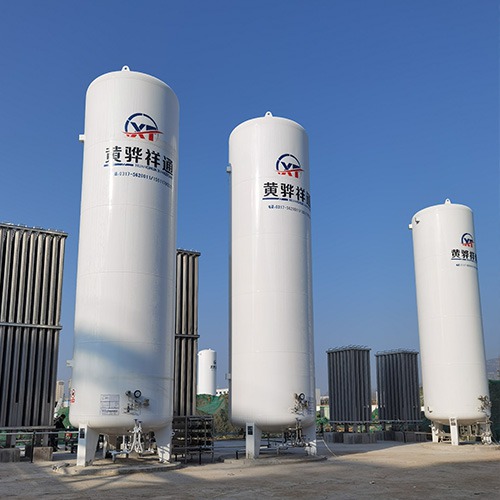
Liquid Oxygen Storage Tanks must be manufactured using materials specifically designed for cryogenic service. Common materials include stainless steel and aluminum alloys that maintain structural integrity at extremely low temperatures.
Using incompatible materials can result in cracking, leakage, or sudden failure. Reliable production processes ensure material traceability and consistent mechanical performance across bulk manufacturing.
2.2 Insulation and Vacuum Systems
Effective insulation is critical to minimize heat ingress. Most liquid oxygen tanks rely on vacuum-insulated double-wall structures to maintain stable internal temperatures. Poor insulation increases boil-off rates and pressure buildup, creating safety risks.
3. Installation Safety Rules
3.1 Location and Ventilation
Liquid Oxygen Storage Tanks should be installed in well-ventilated areas, away from ignition sources, oil, grease, or combustible materials. Outdoor installation or dedicated oxygen-rated rooms is preferred.
Adequate ventilation prevents oxygen accumulation, reducing fire and explosion hazards.
3.2 Foundation and Stability
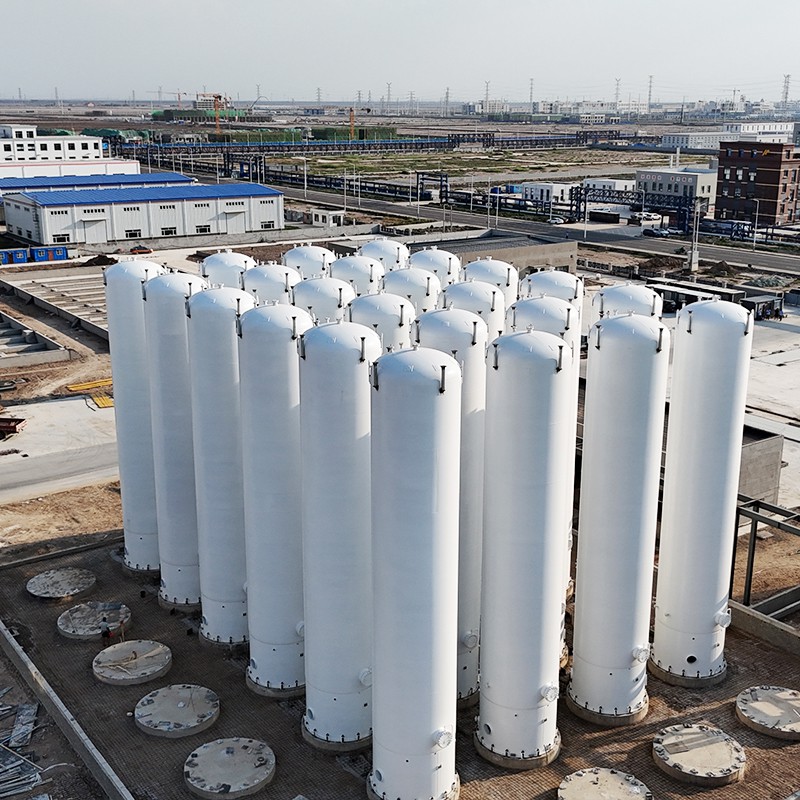
The tank foundation must be level, load-rated, and resistant to vibration. Improper support can stress tank structures and piping, increasing the risk of leaks over time.
4. Safe Handling and Filling Procedures
4.1 Personnel Training
Only trained personnel should handle liquid oxygen systems. Operators must understand correct filling procedures, pressure limits, and emergency response actions.
Untrained handling is a major cause of safety incidents involving Liquid Oxygen Storage Tanks.
4.2 Controlled Filling Operations
During filling, pressure and temperature changes must be carefully monitored. Rapid filling can cause thermal shock, while overfilling may trigger pressure relief devices unnecessarily.
Using standardized procedures ensures safe and repeatable operations, especially in high-volume supply environments.
5. Oxygen Compatibility and Cleanliness
5.1 Avoiding Contamination
Oil, grease, and organic materials react violently in oxygen-rich environments. All components that come into contact with liquid oxygen must be thoroughly cleaned and oxygen-compatible.
Contamination is one of the most overlooked safety risks in oxygen storage systems.
5.2 Clean Assembly and Maintenance
Manufacturers with controlled production lines implement strict cleaning and inspection standards before delivery. This ensures that tanks remain safe during transportation, installation, and operation.
6. Pressure Control and Safety Devices
6.1 Pressure Relief Valves
Liquid Oxygen Storage Tanks are equipped with pressure relief valves to prevent over-pressurization caused by heat ingress or rapid vaporization. These devices must never be blocked, modified, or removed.
Regular inspection ensures proper operation under emergency conditions.
6.2 Monitoring Systems
Pressure gauges, level indicators, and alarm systems provide real-time information about tank conditions. Continuous monitoring helps detect abnormal changes early, reducing the likelihood of incidents.
7. Routine Inspection and Maintenance
7.1 Visual and Functional Checks
Regular inspections should include checking for frost buildup, unusual noises, valve leakage, or pressure instability. Early detection of issues allows for corrective action before safety is compromised.
7.2 Scheduled Maintenance Programs
Planned maintenance ensures long-term reliability and compliance with safety standards. Components such as valves, seals, and insulation systems must be evaluated periodically.
Consistent maintenance practices are especially important for systems supplied in large quantities for industrial use.
8. Emergency Preparedness and Response
8.1 Emergency Shutdown Procedures
Clear shutdown procedures should be established and communicated to all operators. In the event of a leak or abnormal pressure rise, immediate action reduces risk to personnel and facilities.
8.2 Fire Safety Considerations
Although liquid oxygen itself does not burn, it greatly intensifies fires. Firefighting methods must account for oxygen-enriched environments, and incompatible extinguishing agents should be avoided.
Conclusion: Safety as a Core Value in Liquid Oxygen Storage
Safe operation of Liquid Oxygen Storage Tanks depends on proper design, disciplined procedures, and ongoing maintenance. Following established safety rules protects personnel, equipment, and surrounding facilities while ensuring reliable long-term performance.
For organizations sourcing Liquid Oxygen Storage Tanks from a manufacturer with stable production capability and bulk supply experience, safety-focused engineering and controlled manufacturing processes provide confidence in both product quality and operational reliability. Prioritizing safety is not only a regulatory obligation—it is a critical investment in performance, longevity, and trust.
References
GB/T 7714:Bostock T D, Scurlock R G. Safe Handling and Storage of Cryogenic Liquids[M]//Low-Loss Storage and Handling of Cryogenic Liquids: The Application of Cryogenic Fluid Dynamics. Cham: Springer International Publishing, 2019: 145-165.
MLA:Bostock, Thomas D., and Ralph G. Scurlock. "Safe Handling and Storage of Cryogenic Liquids." Low-Loss Storage and Handling of Cryogenic Liquids: The Application of Cryogenic Fluid Dynamics. Cham: Springer International Publishing, 2019. 145-165.
APA:Bostock, T. D., & Scurlock, R. G. (2019). Safe Handling and Storage of Cryogenic Liquids. In Low-Loss Storage and Handling of Cryogenic Liquids: The Application of Cryogenic Fluid Dynamics (pp. 145-165). Cham: Springer International Publishing.