








Thermal Stability in Low Temperature Storage Tanks: Key Design Factors
Thermal stability is one of the most critical performance indicators for a low temperature liquid storage tank, especially in applications involving cryogenic or near-cryogenic fluids. Whether used in industrial processing, energy storage, or scientific research, maintaining a stable thermal environment directly impacts safety, efficiency, and operational cost.
As a low temperature liquid storage tank manufacturer with established production capability, designing systems that maintain consistent temperature under varying external conditions is essential. This article explores the key design factors that influence thermal stability and explains why controlled manufacturing processes are vital for large-scale and bulk supply applications.
1. Understanding Thermal Stability in Low Temperature Storage
Thermal stability refers to a tank’s ability to maintain internal temperature with minimal fluctuation over time. In low temperature storage, even small heat gains can lead to:
·Increased boil-off rates
·Pressure instability
·Product loss
·Additional safety risks
Maintaining thermal stability is not only a design challenge but also an operational requirement for long-term reliability.
2. Double-Wall Structure and Tank Geometry
2.1 Inner and Outer Vessel Design
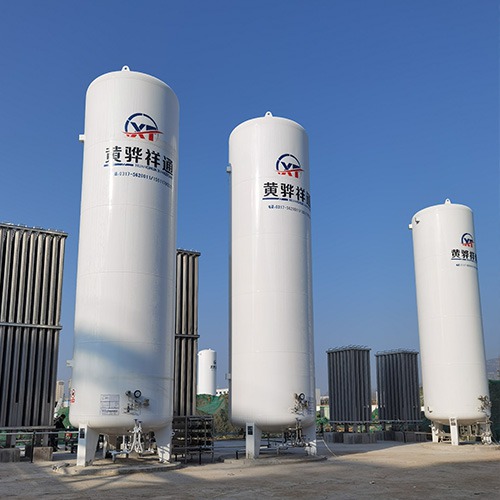
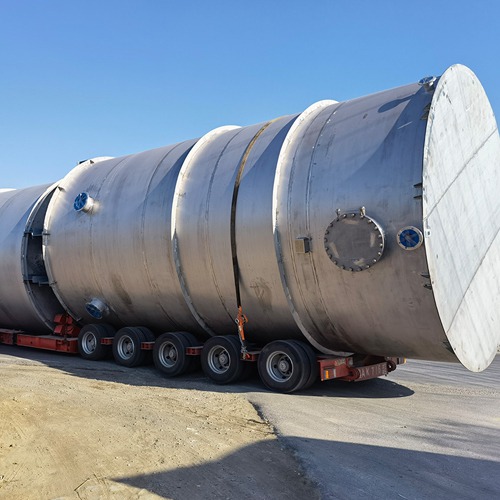
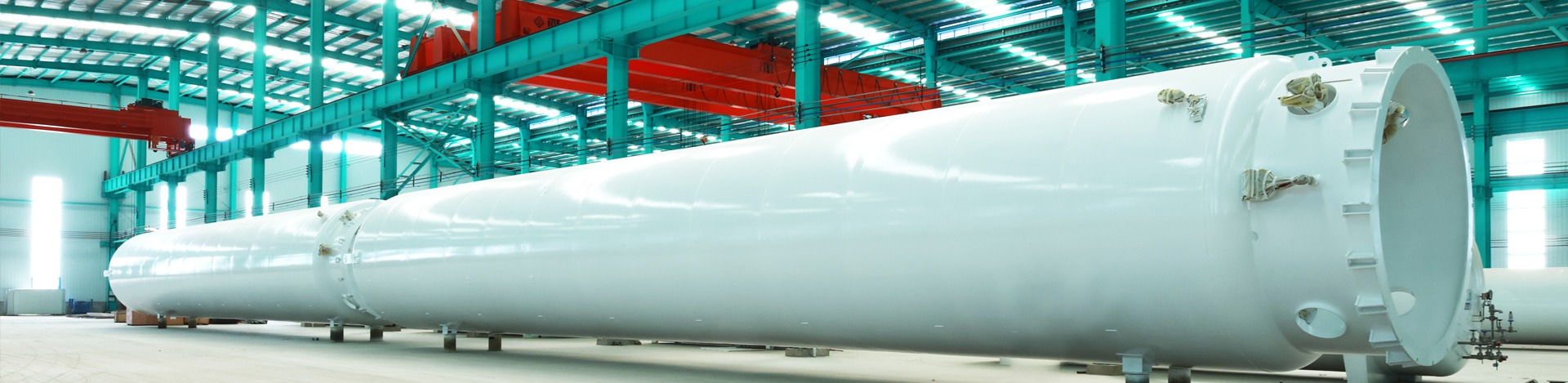
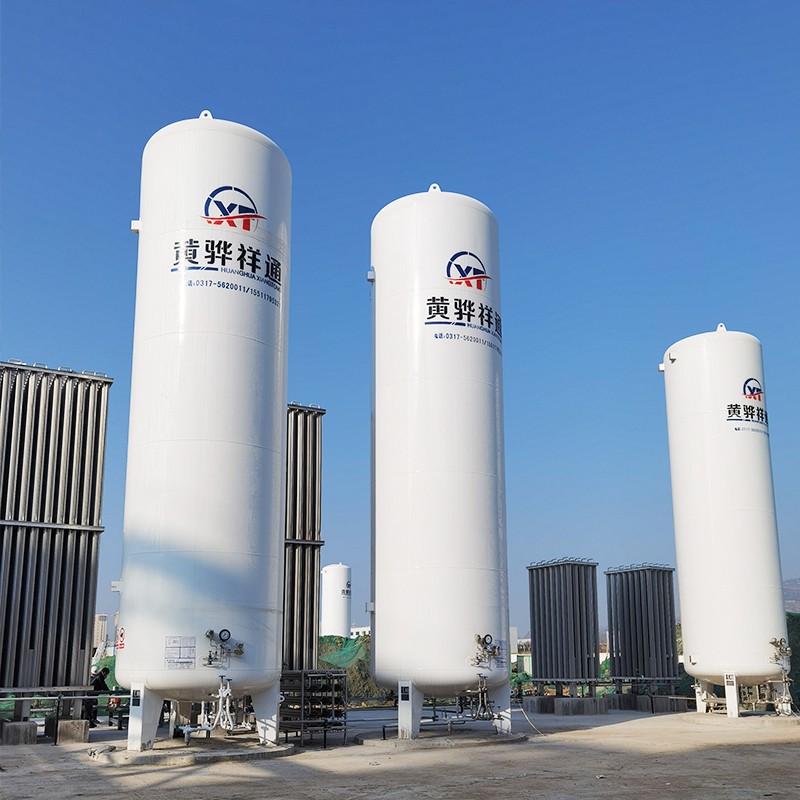
Most low temperature liquid storage tanks utilize a double-wall construction. The inner vessel contains the low temperature liquid, while the outer shell provides structural support and environmental protection.
Tank geometry plays a significant role in thermal behavior. Cylindrical designs are often preferred because they distribute thermal stress evenly and minimize surface area exposure relative to volume.
2.2 Stress Management at Low Temperatures
Thermal contraction occurs as materials cool, creating mechanical stress. A well-engineered structure accounts for this by allowing controlled movement between inner and outer vessels, reducing the risk of cracking or deformation.
3. Insulation Systems and Heat Transfer Control
3.1 Vacuum Insulation Technology
Vacuum insulation is one of the most effective methods for limiting heat transfer in low temperature liquid storage tanks. By removing air between the inner and outer walls, conductive and convective heat transfer is significantly reduced.
Stable vacuum quality is essential for maintaining long-term thermal performance.
3.2 Multi-Layer Insulation (MLI)
Multi-layer insulation further enhances thermal resistance by reflecting radiant heat. MLI systems consist of alternating layers of reflective materials and spacers, commonly used in cryogenic applications where thermal stability is critical.
4. Material Selection for Thermal Performance
4.1 Low Temperature Material Behavior
Materials used in low temperature liquid storage tanks must maintain mechanical strength and toughness at reduced temperatures. Austenitic stainless steels and aluminum alloys are widely used due to their favorable low-temperature properties.
Material consistency across production batches ensures predictable thermal behavior and structural reliability.
4.2 Thermal Conductivity Considerations
Low thermal conductivity materials are preferred for structural components that bridge warm and cold zones. Minimizing thermal bridges reduces heat leakage and improves overall thermal stability.
_storage_tank.jpg)
5. Pressure Control and Boil-Off Management
5.1 Managing Heat Ingress
Even with advanced insulation, some heat ingress is unavoidable. Effective pressure control systems accommodate gradual vaporization without causing rapid pressure fluctuations.
Thermal stability improves when boil-off is predictable and evenly managed.
5.2 Integration of Safety and Control Devices
Pressure relief valves, monitoring sensors, and control systems must be designed to function reliably at low temperatures. These components help maintain stable internal conditions while protecting the tank from over-pressurization.
6. External Environmental Influences
6.1 Ambient Temperature and Solar Radiation
External temperature fluctuations and solar exposure can affect thermal performance. Protective coatings, shading, and strategic installation locations reduce external heat absorption.
6.2 Wind and Humidity Effects
Wind increases convective heat transfer, while humidity can affect insulation performance over time. Tank designs that account for environmental exposure maintain thermal stability more effectively in diverse operating conditions.
7. Manufacturing Quality and Production Consistency
Thermal stability is not determined by design alone—it depends heavily on manufacturing quality. Precision welding, controlled insulation installation, and strict quality inspection are critical to achieving consistent thermal performance.
Manufacturers with standardized production lines can deliver low temperature liquid storage tanks with predictable thermal characteristics, especially important for bulk orders and long-term projects.
8. Maintenance and Long-Term Thermal Performance
Over time, insulation systems may degrade, and vacuum levels can change. Regular inspection and maintenance help preserve thermal stability throughout the tank’s service life.
Designs that allow for easier monitoring and maintenance reduce downtime and ensure continued performance in demanding applications.
Conclusion: Designing for Thermal Stability and Reliability
Thermal stability is a foundational requirement for any low temperature liquid storage tank. By focusing on structural design, insulation systems, material selection, and production quality, manufacturers can deliver tanks that perform reliably under challenging conditions.
For organizations seeking low temperature liquid storage tanks from a manufacturer with reliable production capacity and bulk supply capability, thermal stability is a key indicator of long-term safety, efficiency, and value. Thoughtful engineering and controlled manufacturing processes ensure that these storage systems meet both operational and regulatory expectations.
References
GB/T 7714:Incropera F P, DeWitt D P, Bergman T L, et al. Fundamentals of heat and mass transfer[M]. New York: Wiley, 1996.
MLA:Incropera, Frank P., et al. Fundamentals of heat and mass transfer. Vol. 6. New York: Wiley, 1996.
APA:Incropera, F. P., DeWitt, D. P., Bergman, T. L., & Lavine, A. S. (1996). Fundamentals of heat and mass transfer (Vol. 6, p. 116). New York: Wiley.