








Risk Prevention Measures for Liquid Oxygen Storage Facilities
Risk Prevention Measures for Liquid Oxygen Storage Facilities
Liquid Oxygen Storage Tanks play a vital role in industries such as healthcare, metallurgy, aerospace, and industrial gas supply. Due to the extremely low temperature and strong oxidizing properties of liquid oxygen, storage facilities must follow strict safety and risk prevention standards. Even minor management failures can lead to serious safety incidents.
As demand for large-scale oxygen supply continues to increase, especially in industrial and medical sectors, risk prevention in liquid oxygen storage facilities has become a critical focus for manufacturers and operators involved in production, storage, and bulk supply.
Understanding the Hazards of Liquid Oxygen Storage
Liquid oxygen is stored at approximately –183°C, making it a cryogenic substance with unique hazards. Its strong oxidizing capability significantly increases the combustion risk when in contact with organic materials, oils, or greases.
Key risks associated with liquid oxygen storage include:
·Fire and explosion hazards
·Material embrittlement caused by extreme low temperatures
·Oxygen enrichment of surrounding environments
·Pressure buildup due to rapid vaporization
Effective prevention strategies must address both physical equipment risks and human operational factors.
Safe Design of Liquid Oxygen Storage Tanks
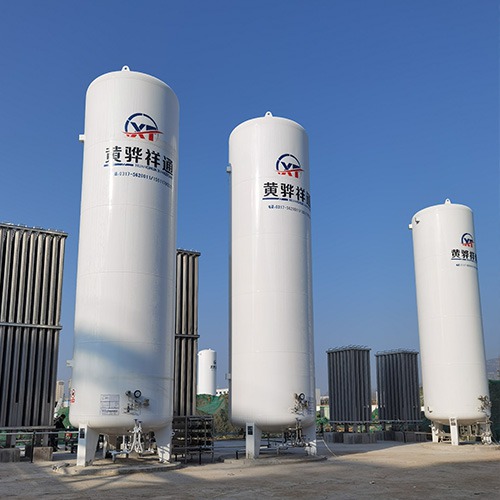
The foundation of risk prevention begins with proper tank design. Liquid Oxygen Storage Tanks must be engineered to withstand cryogenic temperatures while maintaining structural integrity under varying pressure conditions.
Important design considerations include:
·Double-wall insulation to minimize heat transfer
·Use of oxygen-compatible materials such as stainless steel
·Pressure relief systems to prevent over-pressurization
·Proper venting and gas discharge channels
From a manufacturer perspective, standardized production processes and strict material selection are essential to ensure consistent safety performance across batch production.
Facility Layout and Environmental Control
Storage facilities should be designed to reduce external risk factors. Adequate spacing between tanks, buildings, and ignition sources is a key requirement.
Recommended layout measures include:
·Open and well-ventilated storage areas
·Non-combustible ground surfaces
·Clear separation from flammable material storage
·Controlled access zones around storage tanks
Environmental monitoring systems that detect oxygen concentration levels can further reduce the risk of oxygen enrichment in confined spaces.
Operational Risk Control and Handling Procedures
Even the most advanced equipment requires proper handling. Operational errors remain one of the leading causes of incidents in liquid oxygen facilities.
Key operational prevention measures:
·Strict procedures for filling and discharging liquid oxygen
·Prohibition of oil, grease, or organic materials near tanks
·Controlled flow rates to prevent rapid vaporization
·Regular inspection of valves, pipelines, and seals
In large-scale production and supply operations, standardized operating procedures help ensure safety consistency across different facilities and operators.
Personnel Training and Safety Awareness
Human factors are critical in risk prevention. Personnel working with Liquid Oxygen Storage Tanks must receive specialized training that covers both theoretical knowledge and practical operation.
Training programs should include:
·Properties and hazards of liquid oxygen
·Emergency response procedures
·Proper use of personal protective equipment
·Safe maintenance and inspection practices
Clear safety signage and multilingual instructions can further reduce misunderstandings in international or multi-national operating environments.
Emergency Response and Incident Preparedness
Despite preventive efforts, emergency preparedness remains essential. Facilities must have well-defined emergency plans tailored to liquid oxygen storage scenarios.
Key emergency measures include:
·Emergency shutdown systems
·Firefighting methods suitable for oxygen-rich environments
·Evacuation routes and safety zones
·Coordination with local emergency services
Regular emergency drills help ensure that personnel can respond quickly and effectively in the event of leaks, fires, or equipment failure.
Inspection, Maintenance, and Lifecycle Management
Over time, cryogenic equipment is subject to wear, insulation degradation, and component aging. Preventive maintenance programs help detect potential issues before they escalate.
Effective maintenance strategies include:
·Routine inspection of insulation performance
·Leak detection and pressure testing
·Scheduled replacement of critical components
·Documentation of inspection and repair history
For manufacturers involved in continuous production and bulk supply, lifecycle management of storage tanks is a key element in maintaining long-term safety performance.
Compliance with Standards and Regulations
Liquid oxygen storage facilities must comply with relevant international and local safety standards. Compliance not only reduces risk but also enhances credibility for industrial users and partners.
Typical regulatory focus areas include:
·Tank design and testing standards
·Installation and commissioning requirements
·Operational safety guidelines
·Inspection and certification procedures
Aligning production and quality control systems with recognized standards strengthens trust across global supply chains.
Conclusion: Building a Safer Liquid Oxygen Storage System
Effective risk prevention for liquid oxygen storage facilities requires a comprehensive approach that integrates equipment design, operational control, personnel training, and ongoing maintenance. Liquid Oxygen Storage Tanks are not standalone components—they are part of a broader safety ecosystem that depends on disciplined management and technical expertise.
For industrial users seeking stable supply and long-term cooperation, choosing solutions backed by experienced manufacturers with proven production capabilities provides an additional layer of assurance. Through systematic risk prevention measures, liquid oxygen storage facilities can achieve both operational efficiency and a high level of safety reliability.
If you want, I can next:
References
GB/T 7714:ASTM Committee G-4 on Compatibility and Sensitivity of Materials in Oxygen-Enriched Atmospheres. Standard Practice for Cleaning Methods and Cleanliness Levels for Material and Equipment Used in Oxygen-enriched Environments[M]. ASTM International, 2004.
MLA:ASTM Committee G-4 on Compatibility and Sensitivity of Materials in Oxygen-Enriched Atmospheres. Standard Practice for Cleaning Methods and Cleanliness Levels for Material and Equipment Used in Oxygen-enriched Environments. ASTM International, 2004.
APA:ASTM Committee G-4 on Compatibility and Sensitivity of Materials in Oxygen-Enriched Atmospheres. (2004). Standard Practice for Cleaning Methods and Cleanliness Levels for Material and Equipment Used in Oxygen-enriched Environments. ASTM International.