








Low-Temperature Storage Tank Trends in the Global Energy Industry
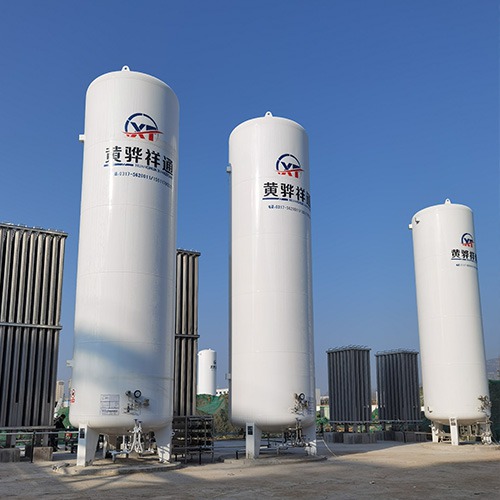
Low-temperature storage tanks play a crucial role in the global energy industry by enabling the safe storage of liquefied gases and cryogenic media. As energy systems evolve and demand for cleaner fuels grows, these specialized tanks are becoming increasingly important in energy infrastructure worldwide.
From engineering design to industrial-scale production, low-temperature storage tanks must meet strict safety, thermal, and structural requirements. For manufacturers supporting large projects, stable production capacity and the ability to supply tanks in bulk are essential factors shaping current industry trends.
Growing Demand for Low-Temperature Storage Tanks
One of the most notable trends in the global energy sector is the rising demand for low-temperature storage tanks. This growth is driven by increased use of liquefied gases in power generation, industrial processing, and energy transportation.
As more facilities rely on cryogenic storage, low-temperature storage tanks are being integrated into terminals, processing plants, and distribution networks. This expansion places higher expectations on design reliability and long-term operational stability.
Advancements in Tank Design and Engineering
Modern low-temperature storage tanks benefit from continuous improvements in engineering design. Advanced thermal insulation systems help minimize heat transfer, while optimized structural layouts improve resistance to thermal contraction and pressure variation.
Design trends increasingly focus on reducing material stress and improving safety margins. These improvements support longer service life and help meet evolving regulatory and operational requirements in the energy industry.
Materials and Manufacturing Considerations
Material selection is a critical aspect of low-temperature storage tank production. Steels and alloys used in these tanks must retain toughness and strength at extremely low temperatures.
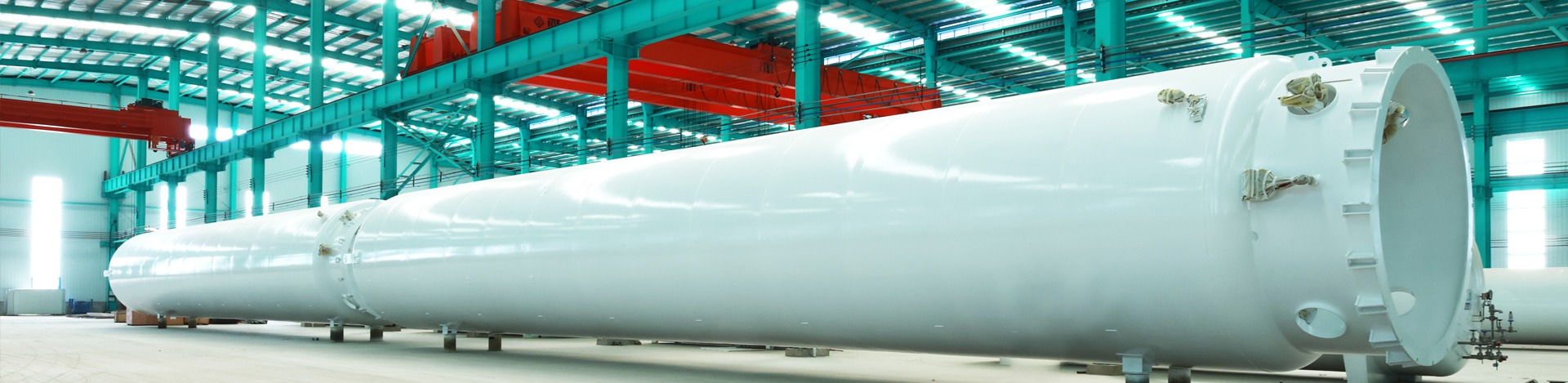
From a manufacturing perspective, consistent production processes and strict quality control are essential. Manufacturer-level capabilities ensure that each tank meets defined performance standards, especially when producing multiple units for large energy projects.
Emphasis on Safety and Compliance
Safety remains a core trend in the development of low-temperature storage tanks. Design standards increasingly emphasize redundancy, leak prevention, and structural integrity under both normal and emergency conditions.
Testing and inspection processes are becoming more comprehensive, with greater use of non-destructive testing and monitoring technologies. These measures help ensure safe operation throughout the tank’s service life.
Large-Scale Production and Supply Chain Trends
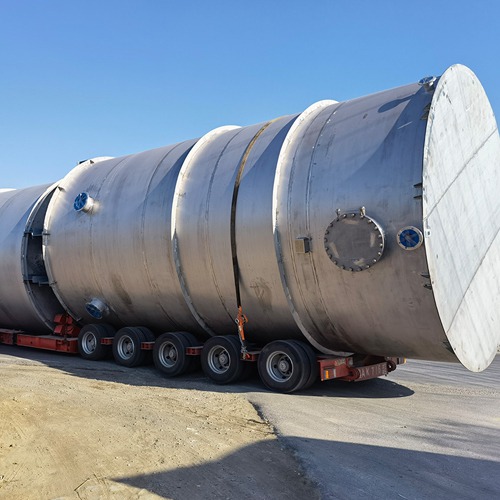
As energy projects grow in scale, demand for standardized low-temperature storage tanks supplied in bulk is increasing. Production efficiency and supply chain reliability are now key competitive factors in the industry.
Manufacturers with stable production capacity are better positioned to support large installations, phased construction schedules, and long-term maintenance planning. Bulk supply capability also helps reduce project lead times and overall costs.
Integration with Global Energy Infrastructure
Low-temperature storage tanks are no longer isolated components; they are increasingly integrated into complex energy systems. Compatibility with piping networks, control systems, and safety equipment is becoming a standard design requirement.
This integration trend encourages modular approaches and standardized interfaces, making installation and expansion more efficient for energy operators.
Sustainability and Efficiency Trends
Energy companies are placing greater emphasis on sustainability and operational efficiency. Low-temperature storage tanks contribute by enabling efficient storage and transport of liquefied energy resources with reduced losses.
Design optimization and improved insulation technologies help lower energy consumption during storage, supporting broader environmental and efficiency goals across the energy sector.
Challenges Facing the Industry
Despite positive trends, the industry faces challenges such as rising material costs, complex regulatory environments, and the need for skilled manufacturing expertise. Addressing these challenges requires continued investment in production technology and workforce development.
Reliable production planning and quality-focused manufacturing processes help mitigate risks and ensure long-term performance of low-temperature storage tanks.
Future Outlook for Low-Temperature Storage Tanks
Looking ahead, low-temperature storage tanks will continue to be a foundational element of the global energy industry. Ongoing innovation in design, materials, and production methods is expected to further improve safety, efficiency, and scalability.
As energy systems become more interconnected and demand continues to rise, the role of professionally produced low-temperature storage tanks will remain essential.
Final Thoughts on Low-Temperature Storage Tanks
Low-temperature storage tanks are at the center of modern energy infrastructure, supporting the safe and efficient handling of cryogenic media worldwide. Industry trends show a clear focus on advanced design, controlled production, and reliable bulk supply to meet growing global demand.
With continued advancements in engineering and manufacturing, low-temperature storage tanks will remain a key solution for the evolving needs of the global energy industry.
References
GB/T 7714:Fesmire J E, Augustynowicz S D, Scholtens B E. Thermal performance testing of cryogenic insulation systems[R]. 2007.
MLA:Fesmire, James E., Stan D. Augustynowicz, and Brekke E. Scholtens. Thermal performance testing of cryogenic insulation systems. No. KSC-2007-103. 2007.
APA:Fesmire, J. E., Augustynowicz, S. D., & Scholtens, B. E. (2007). Thermal performance testing of cryogenic insulation systems (No. KSC-2007-103).