








Hazard analysis of surface treatment methods and zones for low-temperature storage tanks
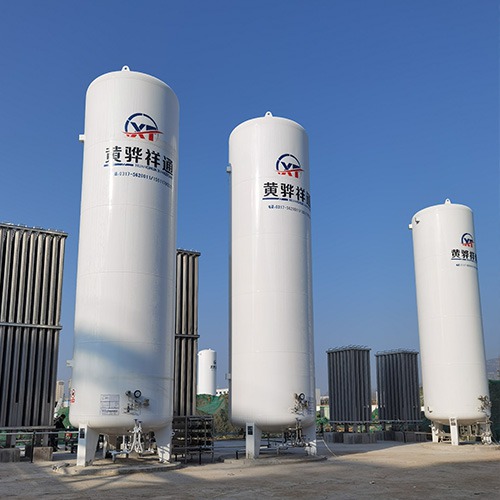
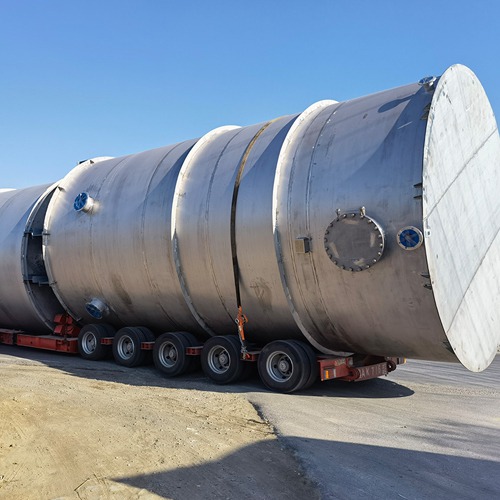
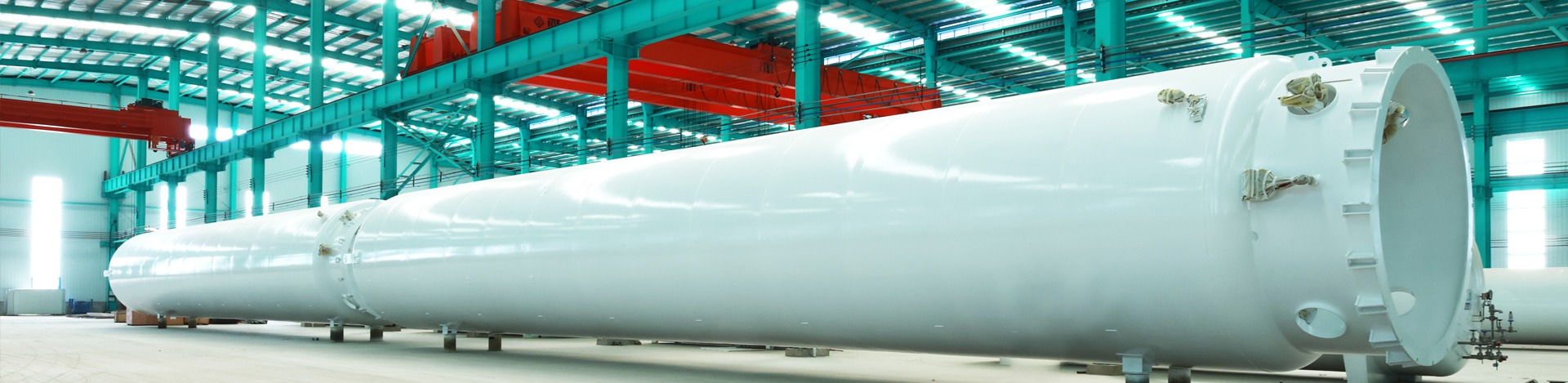
Firstly, the surface treatment method for carbon dioxide storage tanks generally requires surface treatment, but there are more than one surface treatment techniques, each with its own advantages. If you are not clear about the specific situation before, you can take a look at the detailed introduction shared by the carbon dioxide storage tank manufacturer, and then you can have a better understanding. There are three types of surface treatment techniques for low-temperature storage tanks: ① surface whitening treatment; ② Surface mirror gloss treatment; ③ Surface coloring treatment. 1、 Surface natural whitening treatment: During the processing of stainless steel, black oxide skin is produced through rolling, edge tying, welding, or artificial surface heating treatment. This hard gray black oxide skin is mainly composed of NiCr2O4 and NiF EO4 components, which were previously removed by strong corrosion methods using hydrofluoric acid and nitric acid. But this method has high costs, pollutes the environment, is not beneficial to human health, and is highly corrosive, gradually being phased out. There are currently two main methods for treating oxide scale: ⑴ Sandblasting (shot) method: mainly using the method of spraying micro glass beads to remove the black oxide scale on the surface. ⑵ Chemical method: Use a pickling passivation paste and a cleaning solution with inorganic additives at room temperature for immersion washing. Thus achieving the whitening treatment of the natural color of stainless steel. After processing, it basically looks like a dull color. This method is more suitable for large and complex products. 2、 Surface mirror gloss treatment methods: Depending on the complexity of stainless steel products and user requirements, mechanical polishing, chemical polishing, electrochemical polishing, and other methods can be used to achieve mirror gloss. 3、 Surface coloring treatment: Stainless steel coloring not only endows stainless steel products with various colors, increases product variety, but also improves product performance and corrosion resistance (based on actual reports). There are several methods for coloring stainless steel, including: (1) Chemical oxidation coloring method: It is the color of a film formed by chemical oxidation in a specific solution, including dichromate method, mixed sodium salt method, sulfurization method, acidic oxidation method, and alkaline oxidation method. INCO is commonly used, but to ensure consistent color of a batch of products, a reference electrode is used for control. ⑵ Electrochemical coloring method: It is the color of a film formed by electrochemical oxidation in a specific solution. ⑶ Ion deposition oxide coloring method chemical method: It is to place stainless steel workpieces in a vacuum coating machine for vacuum evaporation coating. For example, watch cases and straps coated with titanium gold are usually golden in color. This method is suitable for processing large quantities of products. Due to the large investment and high cost, it is not cost-effective to produce small quantities of products. ⑷ High temperature oxidation coloring method: It is a process of immersing the workpiece in a specific molten salt to maintain a certain process parameter, forming a certain thickness of oxide film on the workpiece, and presenting various colors. Gas phase cracking coloring method: relatively complex and less commonly used in industry. The choice of stainless steel surface treatment method should be based on the product structure, material, and different surface requirements, and the appropriate method should be selected for treatment. Secondly, hazard analysis of LNG storage tank area (1) LNG is stored in liquefied natural growth gas storage tanks, and LNG is in a boiling state. At the end of some pipelines and liquefaction sections in the LNG storage tank area, it is close to boiling state. The introduction of external heat can cause gasification and high pressure, leading to the opening of the safety valve or causing significant damage. Rolling: Due to the different composition and density of LNG in the storage tank, stratification occurs, and mass and heat transfer occur between the two layers, ultimately completing mixing while evaporating on the surface of the liquid layer. This evaporation process absorbs heat from the upper liquid, causing the lower liquid to become overheated. When the densities of two liquids are close to equal, they will suddenly mix at a suitable speed and produce a large amount of gas in a short period of time, causing the pressure inside the storage tank to rise sharply and even opening the safety valve. To avoid this danger, special measures should be taken: ① Light LNG is fed from the bottom of the tank, or heavy LNG is fed from the top of the tank, or a combination of both; ② Install an automatic density meter in the slot to detect layers of different densities; ③ Use a pump in the tank to circulate the liquid from bottom to top; ④ Maintain the nitrogen content of LNG below 1% and closely monitor the gasification rate. (2) Due to LNG being a cryogenic liquid with a temperature of -162 ℃, direct contact between the skin and the surface of low-temperature objects can cause serious injuries in LNG gas cylinder storage tanks. When in direct contact, moisture on the surface of the skin condenses and adheres to the surface of low-temperature objects. The skin and tissues below the skin freeze, making it easy to tear and leave wounds. After bonding, the skin can be thawed by heating and then peeled off. At this point, if the skin is forcefully torn off the low-temperature surface, it will tear this part of the skin apart. Low temperature liquids have lower viscosity and can penetrate textiles or other porous fabrics faster than other liquids such as water. When handling anything that comes into contact with or has come into contact with low-temperature liquids or vapors, if non absorbent gloves (made of PVC or leather) are not worn and the gloves are not loose, the gloves are not easy to remove when liquid splashes onto or seeps into the gloves. If there is a possibility of intense spraying or splashing, do not use a face mask or goggles to protect your eyes. Low temperature accidents may occur. (3) Due to low-temperature operation, the leakage of LNG can cause significant shrinkage of metal components. Leakage and boiling evaporation can occur at any part of the pipeline system, especially at welds, valves, flanges, fittings, seals, and cracks. If these vapors are not sealed in time, they will gradually rise and spread far away, making it easy to encounter potential sources of fire, explosions, low temperatures, and other accidents. (4) Low temperature anesthesia does not have sufficient protective measures. After staying below 10 ℃ for a long time, there is a risk of low temperature anesthesia. As body temperature decreases, physiological function and intellectual activity decline, heart failure, and further decline can lead to death. (5) Breathing LNG low-temperature vapor through suffocation is harmful to health. In the short term, it can lead to difficulty breathing, and over time, it can have serious consequences. Although LNG vapor is not toxic, its low oxygen content can easily cause suffocation. If pure LNG vapor is inhaled and not released at a suitable speed, one will quickly lose consciousness and die after a few minutes. When the oxygen content in the air gradually decreases, the operators have no feeling or warning. By the time you realize it, it will be too late. There are four types of suffocation:. A、 Scenario 1: Oxygen content of 14% to 21% (volume content, the same below), accelerated breathing and pulse, accompanied by muscle twitching. B、 Scenario 2: Oxygen content of 10% to 14%, accompanied by hallucinations, fatigue, and delayed response to pain. C、 Scenario 3: Oxygen content of 6% to 10%, accompanied by nausea, vomiting, fainting, and brain damage. D、 Scenario 4: Oxygen content below 6%, accompanied by spasms, respiratory arrest, and death. Usually, an oxygen content of 10% is the lower limit for the human body to prevent damage. Correspondingly, normal air contains 52.4% methane, with an oxygen content of 10%. Therefore, we advise everyone not to enter LNG vapor.