








Principles for the use, process, and non-destructive testing technology selection of low-temperature storage tanks
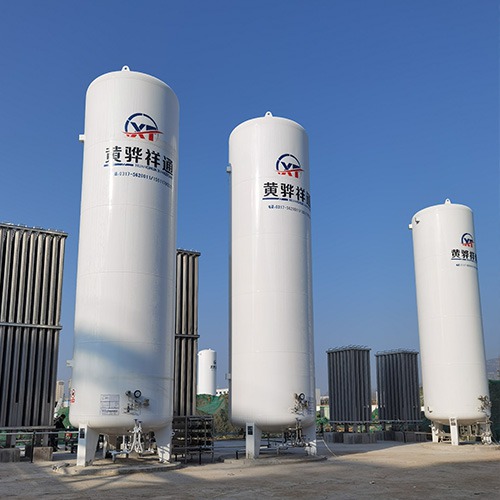
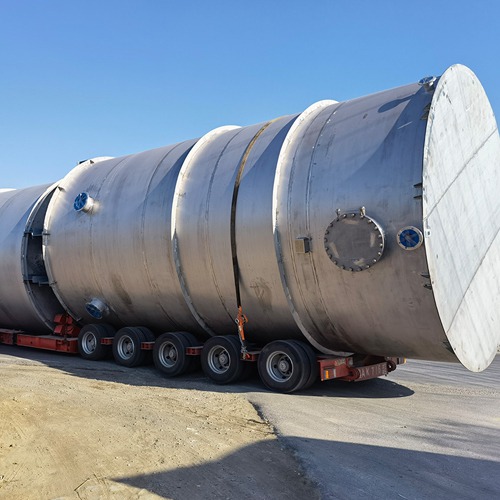
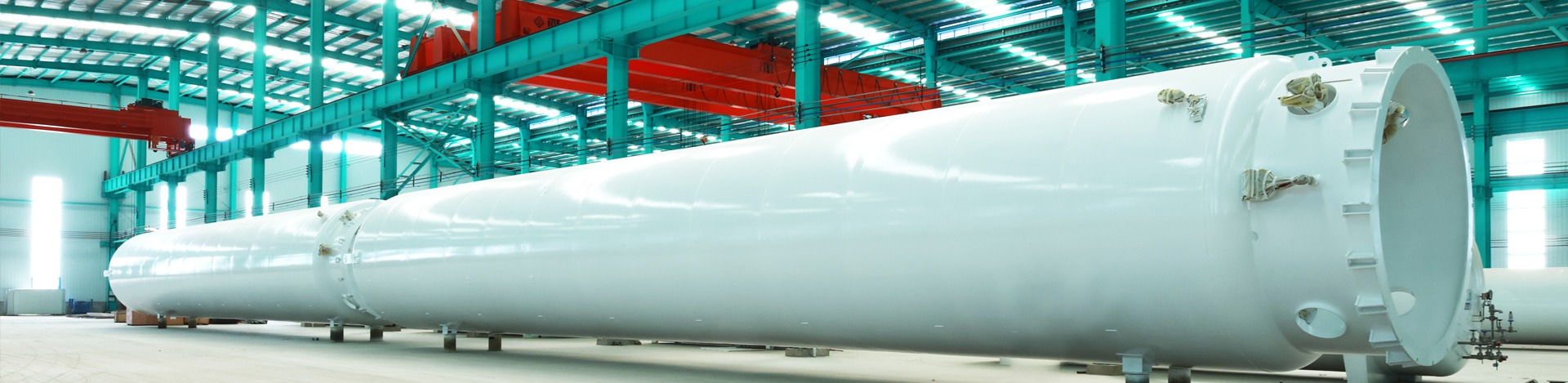
1、 The use and technology of liquefied gas storage tanks are increasingly demanded by enterprises. Steel storage tanks are one-on-one equipment for storing various liquids or gas materials. Many enterprises cannot produce normally without energy storage tanks, especially when storing various materials, they cannot do without various types and capacities of storage containers. Most oil storage facilities are above ground storage equipment and are mostly made of metal structures. The use of liquefied gas storage tanks is very extensive, and these tanks are in demand in various enterprises. Oil tanks are storage containers used for oil and gas pipeline transportation. The oil storage tanks used in oil pipeline stations are equipment used to store oil, collect oil, and confirm that the pipeline has a stable oil delivery capacity. The oil storage tanks used in terminal stations are mainly used to receive and store oil, and provide oil to oil using units through the tanks. The vast majority of plastic storage tanks require molding processing technology. During the molding process of the tank, the mold is subjected to appropriately high pressure and widely used compression molding is achieved through extrusion As a storage device, plastic extrusion is used to produce large parts through molding processes, which require significant pressure. The design and production of molding equipment are particularly sturdy, making it difficult to process and increase costs. The anti-corrosion (mainly based on actual reports) liquefied gas storage tanks use rotational molding technology, which requires high strength of the frame. The strength of the frame is sufficient to support materials, molds, and the weight of the frame itself, in order to prevent material leakage. Even for large rotational molding storage tanks or large plastic storage tank components, the production of anti-corrosion (mainly based on actual reports) storage tanks does not require the use of bulky equipment or molds. The processing and production of machine molds are particularly convenient, with low production costs and short cycles. 2、 The selection principle of non-destructive testing technology for LNG storage tanks is to reduce and avoid the occurrence of failure accidents of liquefied natural growth gas storage tanks, and to conduct regular monitoring and non-destructive testing. The application of non-destructive testing technology should mainly follow the following principles: 1. Combining non-destructive and destructive testing. Modern non-destructive testing is the inspection and testing of the internal and surface structure, properties, and state of the tested object without damaging it. Its major feature is that it does not damage the object itself. At present, non-destructive testing cannot replace destructive testing. On the one hand, non-destructive testing technology has its own limitations. On the other hand, some characteristics require destructive testing. For example, in order to improve the quality of testing results, liquefied petroleum gas cylinders need to undergo explosion testing in addition to non-destructive testing. 2. Choosing the appropriate timing and method for non-destructive testing of LNG storage tanks should be based on objective testing objectives, combined with the production status, materials, media, and manufacturing process characteristics of LNG storage tanks to correctly select the appropriate implementation timing. The selection of non-destructive testing methods should first strictly follow the technical regulations, relevant product standards, and technical documents and drawings of LNG storage tank equipment. Then, the selection should be based on the material, manufacturing method, working medium, structure, usage conditions, and failure mode of LNG storage tank equipment, as well as the expected types, shapes, locations, and orientations of defects that may occur. 3. Utilizing strengths and avoiding weaknesses, various non-destructive testing methods are comprehensively applied. Different non-destructive testing methods have their own strengths. In order to detect as many defect information as possible and clearly understand the actual situation of LNG storage tanks, it is necessary to leverage strengths and avoid weaknesses, and comprehensively apply various non-destructive testing methods. For example, ultrasonic flaw detection has high sensitivity, but the detailed detection of size and degree is not accurate. By comprehensively applying the advantages of multiple detection methods, excellent and accurate detection results can be obtained.