








Main processes and special requirements for LNG storage tanks
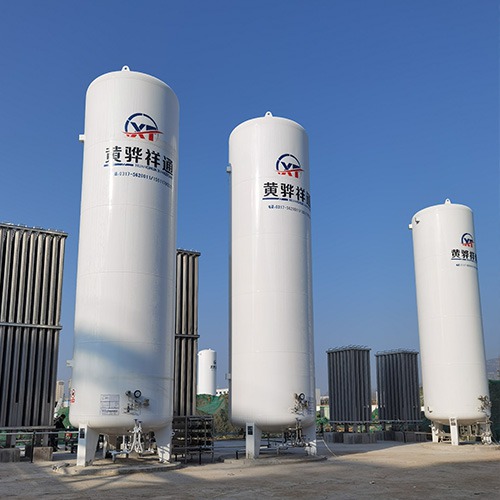
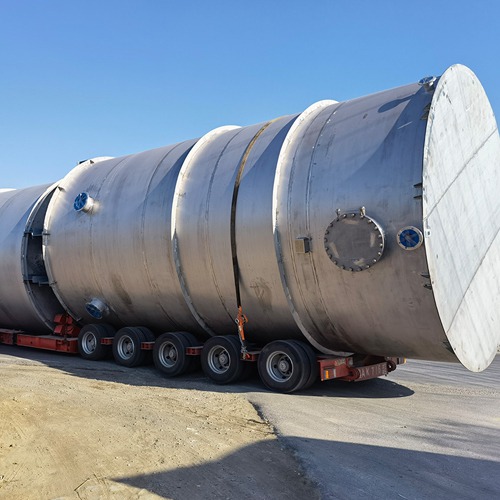
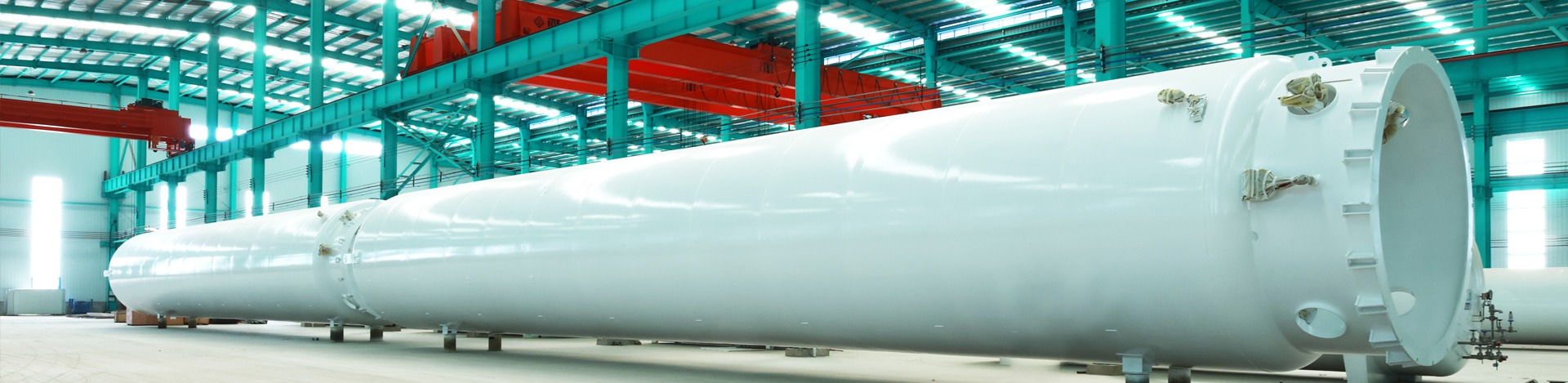
1、 The main process of natural growth gas liquefaction is the single refrigerant liquefaction process, also known as the cascade refrigeration liquefaction process or cascade liquefaction process. Through the name of this process, we can understand that the use of low-temperature storage tanks mainly requires the use of certain refrigerants, such as methane, ethylene, propane, etc. In addition, a low-temperature environment is also required. After treatment, the temperature will reach around minus 30 degrees Celsius, minus 90 degrees Celsius, and minus 150 degrees Celsius. Under the dual action of coolant and ultra-low temperature, the gaseous natural growth gas will cool down and transform into liquefied natural growth gas. (2) The expansion refrigeration liquefaction process is a liquefaction process that does not use refrigerants. The characteristic of this process is that the natural growth gas raw material gas is compressed and then throttled to achieve partial liquefaction by reducing the temperature. The specific operation of Liu Chengwei is to first process the gaseous natural growth gas using a compressor. After processing, the natural growth gas is cooled, and then the cooled natural growth gas is expanded using an expansion machine to deeply liquefy it. Using this process, the operation process is simple and the cost is relatively low, which can be said to be a win-win situation. Liquefied natural growth gas itself has the characteristics of convenient storage and transportation, high performance, and relatively high cleanliness. Moreover, the application of liquefied natural growth gas is also extensive. It is hoped that with the help of a series of corresponding suggestions and measures in this article, more people can understand what liquefied natural growth gas is, as well as its characteristics, production processes, and applications. This will further enhance their understanding and knowledge of liquefied natural growth gas and make a definite contribution to its future application and development. 2、 What are the special requirements for LNG storage tanks? 1. The boiling point of liquefied natural growth gas under low temperature and atmospheric pressure is -160 ℃. The natural growth gas storage tank adopts a low-temperature and atmospheric pressure storage method, which lowers the temperature of the natural growth gas below the boiling point, making the operating pressure of the storage tank slightly higher than atmospheric pressure. Compared with the high-pressure and ambient temperature storage method, it can greatly reduce the thickness of the tank wall and improve the safety performance. Therefore, LNG requires storage tanks to have good low-temperature resistance and excellent cold insulation performance. 2. Enron's requirements are high. Due to the low-temperature liquid stored in the tank, in the event of an accident, the refrigerated liquid will evaporate in large quantities, with a gasification amount about 300 times that of the original refrigerated state, forming an automatically detonating gas mass in the atmosphere. Therefore, API, BS and other specifications require storage tanks to adopt a double-layer wall structure and use the sealing concept. When the first layer of the tank leaks, the second layer of the tank can completely seal off the leaked liquid and evaporated gas, confirming safe storage. 3. The material for the inner tank wall requires low temperature resistance, usually using 9Ni steel or aluminum alloy materials, while the outer tank wall is made of prestressed reinforced concrete. 4. The insulation measures are strict. Due to the high temperature difference between the inside and outside of the tank, which can reach 200 ℃, in order to maintain the temperature inside the tank at -160 ℃, the tank body must have good cold insulation performance, and stable cold insulation materials should be filled between the inner and outer tanks. The cold insulation material at the bottom of the tank also needs to have sufficient pressure bearing performance. 5. Seismic resistance (based on actual reports) is generally required for buildings to withstand seismic loads without collapsing. To confirm the safety of the storage tank under unexpected loads, the tank has good seismic resistance (based on actual reports). LNG storage tanks are required to not collapse or crack under specified seismic loads. Therefore, the selected construction site should generally avoid earthquake fault zones. Before construction, seismic tests should be conducted on the storage tanks to analyze their structural performance under dynamic conditions and confirm that the tanks will not be damaged under the given seismic intensity. 6. Strict construction requirements include 90% magnetic particle testing (MT) and 90% vacuum tightness testing (VBT) for tank welds. Strictly select insulation materials and follow the prescribed procedures during construction. To prevent concrete cracking, post tensioning and prestressing construction are adopted, and the verticality of the tank wall is strictly controlled. The concrete outer tank top should have high compressive and tensile strength, and be able to withstand the impact of general falling objects. Due to the thick concrete at the bottom of the tank, the hydration temperature should be controlled during pouring to prevent cracking caused by temperature stress.