








Key points for safe use of low-temperature storage tanks and temperature measurement and control methods
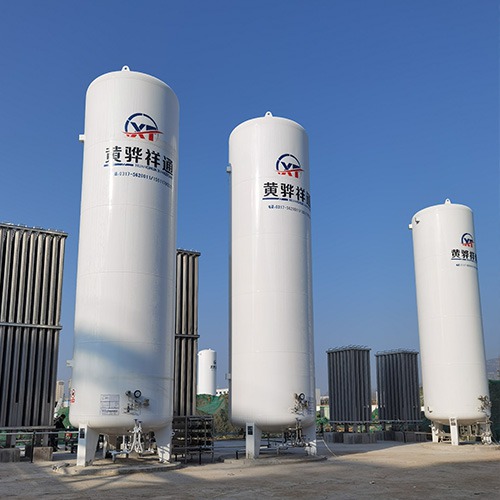
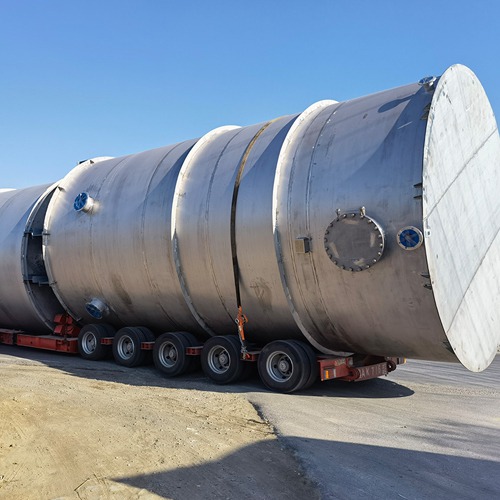
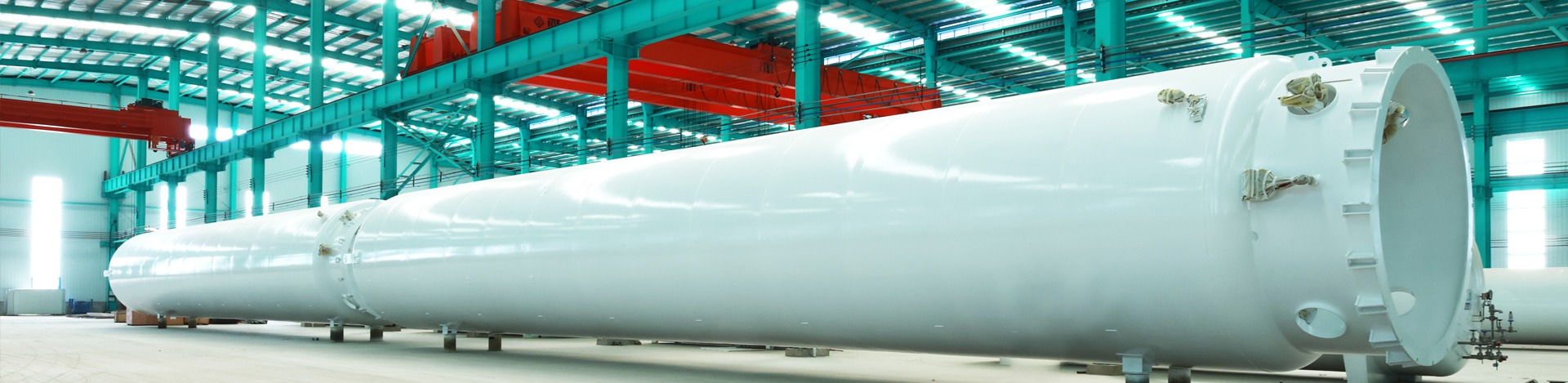
&The main function of low-temperature gas cylinders and LNG storage tanks is to fill and store low-temperature liquids. The safe use requirements for low-temperature storage tanks should consider gas hazard characteristics, low-temperature protection effects, surrounding environmental conditions, pressure vessel characteristics, etc. Corresponding technical management measures should be taken to confirm safe operation. 1. Operators of low-temperature storage tanks: They should have a detailed understanding of the structural characteristics of the equipment and its piping and valve systems, be familiar with the hazardous characteristics of low-temperature liquids, strictly control the surrounding environmental conditions, and follow the safe operation procedures for low-temperature storage tanks. Operators must undergo training and pass the assessment by the quality and technical supervision department at or above the municipal level, hold a pressure vessel operation qualification certificate, and can only work on the job. Before starting the homework, the workers should take proper labor safety and protection measures according to regulations. 2. Rules for the use of low-temperature storage tanks: The use of low-temperature gas cylinders and low-temperature storage tanks should strictly comply with the "Safety Rules for the Use of Low Temperature Liquid Storage and Transportation Equipment" (JB6898-1997), and strengthen daily safety management. When storing low-temperature liquids, the filling rate should not exceed 0.95, and excessive filling is strictly prohibited. Before putting the low-temperature liquid storage tank into use, it should be confirmed that the container is in good sealing condition, various accessories (including valves, instruments, and safety devices) are diverse and sensitive, appropriate pipeline materials are selected, and the system is dry and free of oil stains inside. 3. Patrol inspection of low-temperature storage tanks: During the normal use of low-temperature storage tanks, a dedicated person should be responsible for conducting patrol inspections. The pressure inside the container should not exceed the higher working pressure of the storage tank. If overpressure occurs, pressure relief measures should be taken. Check the status and leakage of each valve, and if any leakage is found, take timely measures to correct the abnormality. 4. Regular inspection of low-temperature storage tanks: Regularly check the vacuum level inside the jacket of the low-temperature storage tank. If the vacuum level deteriorates, additional vacuum measures should be taken (the storage tank vacuum should be implemented by the unit or original manufacturing unit). 5. Low temperature storage tanks should be inspected regularly: Low temperature storage tanks are special equipment subject to mandatory national safety supervision and are classified as Class III pressure vessels. Regular inspections should be carried out in accordance with relevant national technical specifications. Low temperature storage tank Anran accessories should also be inspected regularly. Generally, pressure gauges, level gauges, Anran valves, rupture disc devices, etc. should be calibrated or replaced at least once a year. If various faults are found in the low-temperature liquid storage tank equipment and accessories, the cause should be identified at any time, correct analysis and judgment should be made, reasonable solutions should be taken, and the continuous normal operation and safe use should be confirmed. &The temperature measurement and control method for LNG storage tanks. Liquefied natural growth gas storage tanks are equipped with temperature measurement devices for measuring the temperature of the inner tank (LNG temperature measurement), the inner surface temperature of the steel tank wall, and the bottom temperature of the tank. There are two temperature displays installed for measuring product temperature, which are installed in a static water well that runs through the top and bottom of the tank. Measure the temperature and density of LNG inside the low-temperature storage tank from the top to monitor the potential risk of liquid flooding inside the tank. Flooding can cause the thermal layer to suddenly transfer to the surface of the liquid, accompanied by the generation of a large amount of LNG vapor. This will result in unacceptable overvoltage hazards. To prevent the possibility of liquid flooding, the submersible pump should operate in a bypass mode with a larger flow rate to increase inherent convection and ensure uniform mixing of LNG. The storage tank is equipped with 16 temperature sensors, which are installed in a static water well at different heights. The temperature is displayed on the DCS. The temperatures measured by adjacent sensors are compared with each other on the DCS to identify the formation of any temperature layer (stratification, i.e. a hotter layer beneath a colder layer). In the above situation, an alarm will be triggered because there is a potential risk of flooding. There are 8 temperature sensors attached to the inner tank wall, with different height positions. And there are 12 temperature sensors evenly distributed on different circles at the bottom of the inner tank. In addition, there are four sensors attached at the bottom of the annular space, which are evenly distributed. Install a density measurement device to measure different LNG densities. Under normal circumstances, the storage tank is filled through the bottom pipeline. Only when there is a significant difference in LNG density, choose to fill from the top. The multifunctional shell characteristics of LNG storage tanks include the following: 1. Self explosion suppression or anti explosion. The explosion of LNG storage tanks will bring serious damage consequences. Therefore, regardless of size and thickness, the shell of LNG storage tanks should have the function of self explosion suppression or anti explosion even if severe crack propagation occurs under working pressure conditions. 2. Having sufficient strength and rigidity. LNG storage tanks should meet the requirements of static pressure strength, stiffness, temperature difference stress, fatigue strength, fracture toughness, medium corrosion effect, and safety margin under design conditions, and be statically loaded. The existing reputation suggests that the shell walls of various LNG storage tanks only have these functions. These functions are only the more basic functions of LNG storage tanks. 3. Adapt to other special needs. In addition to the ability to open holes and connect pipes as needed, the shell of LNG storage tank equipment should also be able to provide direct cooling or heating systems on the inner wall, outer wall, and interlayer as needed, as well as other special development needs such as blocking radiation. 4. Continue to maintain the ability to work temporarily. Even if LNG storage tank equipment is suddenly shut down or stopped due to internal medium leakage, it will have serious consequences for large-scale chemical or energy production processes, as well as small vehicle gas storage systems. Therefore, as an LNG storage tank, even in the event of a serious medium leakage, its shell structure should have the function of continuing to maintain a temporary working state, in order to buy time for making more appropriate safety measures. 5. Automatically collect leaked media. LNG storage tank equipment is prone to serious internal medium leakage accidents due to various reasons. To prevent serious consequences such as combustion, explosion, and poisoning caused by leaks, the shell structure of LNG storage tank equipment should also have the function of automatically collecting leaked media and making appropriate safety measures. 6. Change the internal and external construction materials as needed. In addition to the inner wall lining or corrosion-resistant overlay (based on actual reports), as an LNG storage tank, its shell should have the function of flexibly changing the inner and outer layer construction materials as needed, including the reasonable application of aluminum and titanium alloys, to change the shell wall function and reasonable composite bearing capacity, and adapt to various application needs. 7. Minimize welding and overall meticulous mechanical processing as much as possible. The extensive welding work and overall large-scale and meticulous mechanical processing, as well as the requirements for quality inspection and overall heat treatment caused by welding, are the fundamental factors that lead to manufacturing defects and significantly increase manufacturing costs in LNG storage tank equipment. Therefore, reducing welding in the shell wall structure, especially the deep longitudinal and circumferential welds, as well as the characteristics of overall large-scale and meticulous mechanical processing, will bring outstanding effects of doubling manufacturing efficiency and significantly reducing costs to LNG storage tanks. 8. Realize online safety status automatic monitoring with excellent economic performance. There is always a potential risk of sudden fracture and damage to any LNG storage tank due to corrosion, fatigue, and deterioration of toughness. Therefore, as the shell structure of LNG storage tanks, it should have the ability to self suppress explosions and achieve economically excellent online safety status, including the function of timely automatic alarm monitoring of the corrosion status of the inner wall. From a long-term development perspective, this is actually more thorough than taking other Enron technological measures.