








Sealing performance and surface treatment methods for interfaces in low-temperature storage tank installation
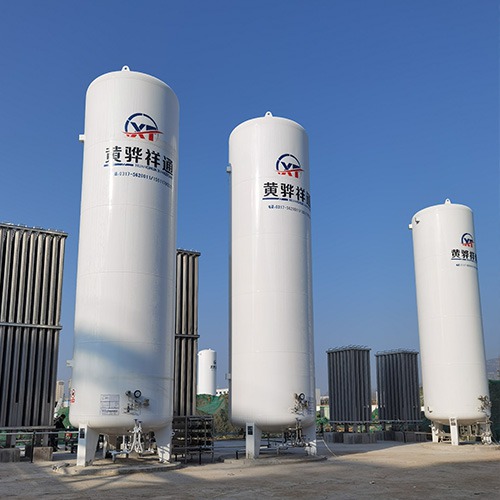
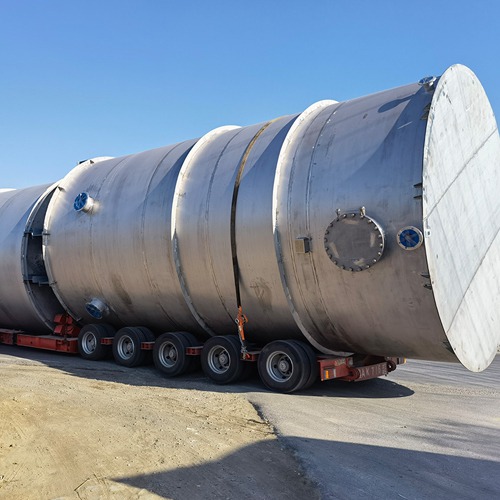
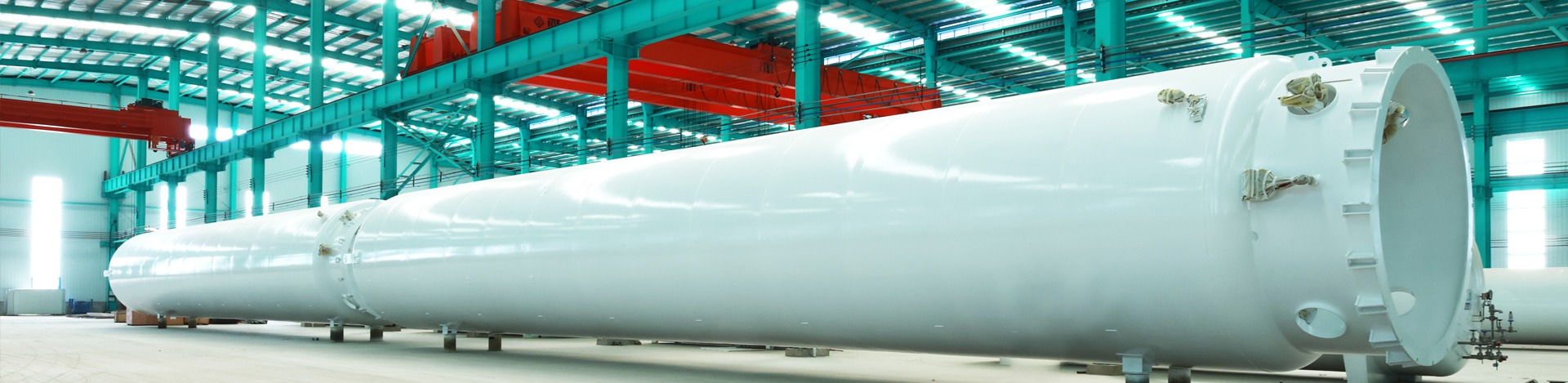
Firstly, the sealing performance of the interface during the installation of liquefied gas storage tanks. Low temperature storage tanks, as the name suggests, are often used to store chemical products, so safety is important. Safety comes from every detail, and during installation, we need to strictly pay attention to the following precautions when using liquefied gas storage tanks: 1. The foundation for installing liquefied gas storage tanks should be horizontal and able to withstand corresponding pressure. If steel structures are used, the gap should not be too large, and wooden or iron boards should be laid on top. 2. When storing chemicals in liquefied gas storage tanks, there should be good drainage ditches and dilution devices around the site. 3. Due to the inevitable protrusion of the bottom into the tank during the formation of liquefied gas storage tanks, the foundation should be made into a spherical crown shape similar to the bottom. On a horizontal basis, there is no need to lay sand to form a spherical crown corresponding to the bottom of the liquefied gas storage tank. When used outdoors, it should be appropriately avoided from direct sunlight to extend its service life. 4. When installing large-sized liquefied gas storage tanks, attention should be paid to safety, and cranes should be used as much as possible. If the method is unknown. 5. After the installation of the liquefied gas storage tank, the sealing performance of the interface should be checked before use. If the liquid is added beyond the interface, observe whether there is any leakage. Liquefied gas storage tanks containing chemical liquids should be leak tested with water to prevent significant losses. 6. The pipes connected to the lower joint or flange of the liquefied gas storage tank should be perpendicular to the barrel wall and use soft connections to prevent uneven expansion of the barrel wall after filling with liquid, which may damage the joint connection and cause leakage, and in severe cases, damage the joint and barrel body. 7. When the inlet is higher from the bottom of the tank, it should be bent towards the tank wall to allow the incoming liquid to fall down along the tank wall and reduce the impact on the bottom. 8. The liquefied gas storage tank has been equipped with an integral one-time forming reinforcement ring. If necessary, a metal reinforcement sleeve can be used to limit the expansion and deformation of the tank body, thereby avoiding bottom expansion. 9. When installing heavy auxiliary equipment such as mixers on barrels, or when people need to work on the top of the tank and the top cannot bear their weight, please make a separate rack or ladder and pay attention to the safety of the operation. 10. When the liquid level cannot be controlled, an overflow port should be installed to prevent liquid from overflowing from the manhole and causing unnecessary injury. 11. When the inlet and outlet flow rates are high, corresponding exhaust pipes should be installed. Secondly, surface treatment methods for carbon dioxide storage tanks are generally required, but there are more than one surface treatment techniques available, each with its own advantages. If you are not clear about the specific situation before, you can take a look at the detailed introduction shared by the carbon dioxide storage tank manufacturer, and then you can have a better understanding. There are three surface treatment techniques for natural growth gas storage tanks: ① surface whitening treatment; ② Surface mirror gloss treatment; ③ Surface coloring treatment. 1、 Surface natural whitening treatment: During the processing of stainless steel, black oxide skin is produced through rolling, edge tying, welding, or artificial surface heating treatment. This hard gray black oxide skin is mainly composed of NiCr2O4 and NiF EO4 components, which were previously removed by strong corrosion methods using hydrofluoric acid and nitric acid. But this method has high costs, pollutes the environment, is not beneficial to human health, and is highly corrosive, gradually being phased out. There are currently two main methods for treating oxide scale: ⑴ Sandblasting (shot) method: mainly using the method of spraying micro glass beads to remove the black oxide scale on the surface. ⑵ Chemical method: Use a pickling passivation paste and a cleaning solution with inorganic additives at room temperature for immersion washing. Thus achieving the whitening treatment of the natural color of stainless steel. After processing, it basically looks like a dull color. This method is more suitable for large and complex products. 2、 Surface mirror gloss treatment methods: Depending on the complexity of stainless steel products and user requirements, mechanical polishing, chemical polishing, electrochemical polishing, and other methods can be used to achieve mirror gloss. 3、 Surface coloring treatment: Stainless steel coloring not only endows stainless steel products with various colors, increases product variety, but also improves product performance and corrosion resistance (based on actual reports). There are several methods for coloring stainless steel, including: (1) Chemical oxidation coloring method: It is the color of a film formed by chemical oxidation in a specific solution, including dichromate method, mixed sodium salt method, sulfurization method, acidic oxidation method, and alkaline oxidation method. INCO is commonly used, but to ensure consistent color of a batch of products, a reference electrode is used for control. ⑵ Electrochemical coloring method: It is the color of a film formed by electrochemical oxidation in a specific solution. ⑶ Ion deposition oxide coloring method chemical method: It is to place stainless steel workpieces in a vacuum coating machine for vacuum evaporation coating. For example, watch cases and straps coated with titanium gold are usually golden in color. This method is suitable for processing large quantities of products. Due to the large investment and high cost, it is not cost-effective to produce small quantities of products. ⑷ High temperature oxidation coloring method: It is a process of immersing the workpiece in a specific molten salt to maintain a certain process parameter, forming a certain thickness of oxide film on the workpiece, and presenting various colors. Gas phase cracking coloring method: relatively complex and less commonly used in industry. The choice of stainless steel surface treatment method should be based on the product structure, material, and different surface requirements, and the appropriate method should be selected for treatment.