








It is important to compare the characteristics and maintenance methods of low-temperature storage tanks with ordinary storage tanks
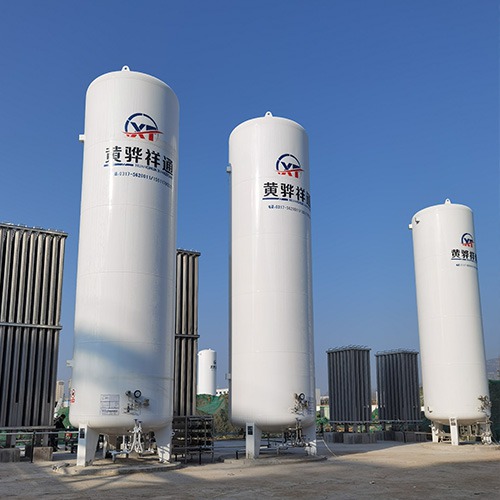
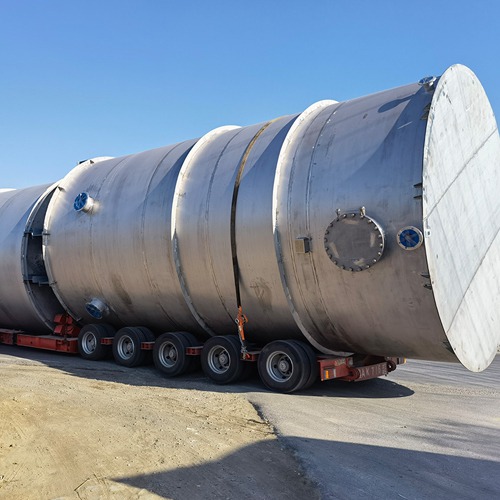
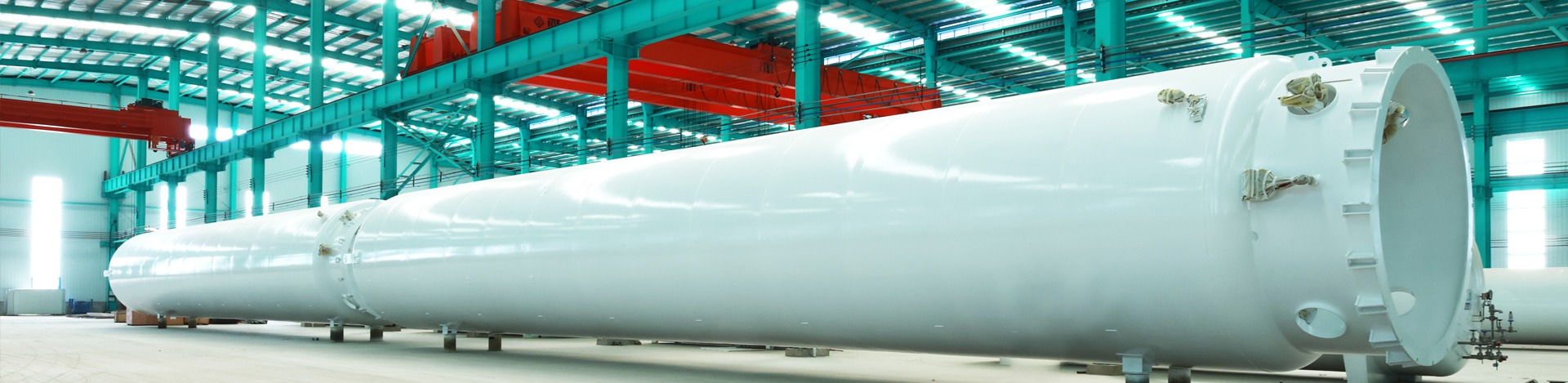
Firstly, the comparison characteristics between LNG storage tanks and ordinary storage tanks. Storage tanks are commonly used items in our production, and we believe that LNG storage tanks, as a new type of storage tank, can also be quickly accepted by a large number of users. Compared with ordinary storage tanks, LNG storage tanks are more suitable for use. LNG storage tanks can be divided into small LNG storage tanks according to their size, with a capacity of 5-50 cubic meters, often used in civil gas vaporization stations, liquefied natural gas (LNG) vehicle refueling stations, etc; Medium sized LNG storage tanks have a capacity of 50-100 cubic meters and are often used in satellite liquefaction facilities, making them a better alternative to conventional storage tanks. 1. The storage system of LNG storage tanks consists of low-temperature storage tanks, subordinate pipelines, and control instruments, but it also belongs to the category of low-temperature storage tanks. 2. Austenitic stainless steel pipes are commonly used for LNG storage tank pipelines. Austenitic stainless steel pipes have good low-temperature performance. 3. According to different placement forms, it can also be separated vertically (LNG); The storage tank adopts vacuum powder insulation technology for insulation. The inner cylinder and pipeline materials of the storage tank are made of austenitic stainless steel, and the outer cylinder is made of high-quality carbon steel Q345R pressure vessel steel plate. This type of LNG storage tank not only has a long lifespan, but also has been widely recognized for its good performance. Secondly, the maintenance method of liquid ammonia storage tanks is very important. When it is found that the consumption rate of liquid nitrogen is too fast or there are water droplets or white frost near the neck of the natural growth gas storage tank, it indicates that the insulation function of the tank is malfunctioning and liquid nitrogen cannot be retained. The specimens placed in the liquid ammonia storage tank should be properly labeled, and the retrieval and placement should be stable, accurate, and fast. The liquid ammonia storage tank should be handled gently to prevent collision and compression. When moving, it should not be dragged on the ground and should be lifted. It should be stored in a dry and well ventilated room to prevent moisture. The inner cavity of the liquid ammonia storage tank should be cleaned once a year to prevent erosion of the tank wall. Before cleaning, the liquid nitrogen inside the tank should be drained and left indoors for 2-3 days to preheat to room temperature. Then, it should be washed with neutral laundry detergent and rinsed clean with clean water to control dryness. The temperature of the cleaning solution and clean water should not exceed 40 ℃ to prevent overheating from affecting the function of the tank. Liquid ammonia storage tanks should be transported and opened as few times as possible. If transportation is required, it is necessary to fix them with ropes on the truck compartment, keep them upright, be careful not to fall, overturn, or lie horizontally, and try to prevent severe vibration. The liquid ammonia storage tank is a highly vacuum refrigerator. When using and maintaining the liquid ammonia storage tank, the following points should be taken into account: check the neck plug and neck plug groove at any time, remove the ice on the neck plug in a timely manner, and do not place plastic cloth or other substances on the neck plug to increase sealing and protect the functionality of the liquid ammonia storage tank. The extension of the usage time of liquid ammonia storage tanks is not groundless. There are definite methods, and I can tell you these methods without reservation: before use, a small amount of liquid nitrogen should be injected to pre cool it, and when the temperature inside the tank reaches liquid nitrogen temperature, liquid nitrogen should be filled until the tank is full.