


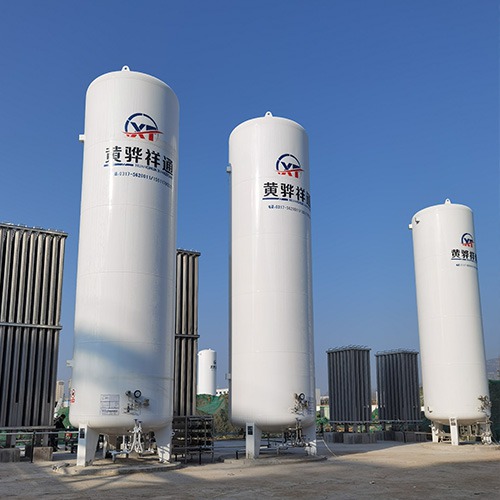
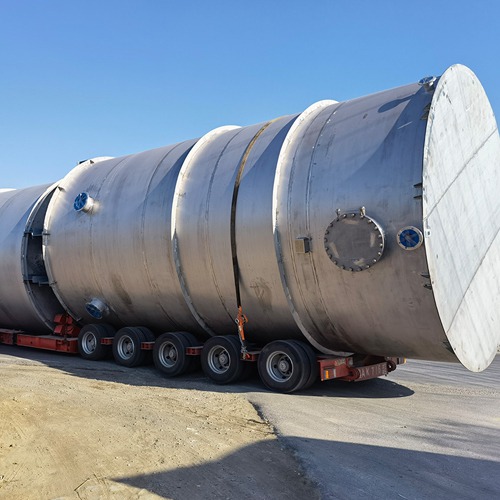





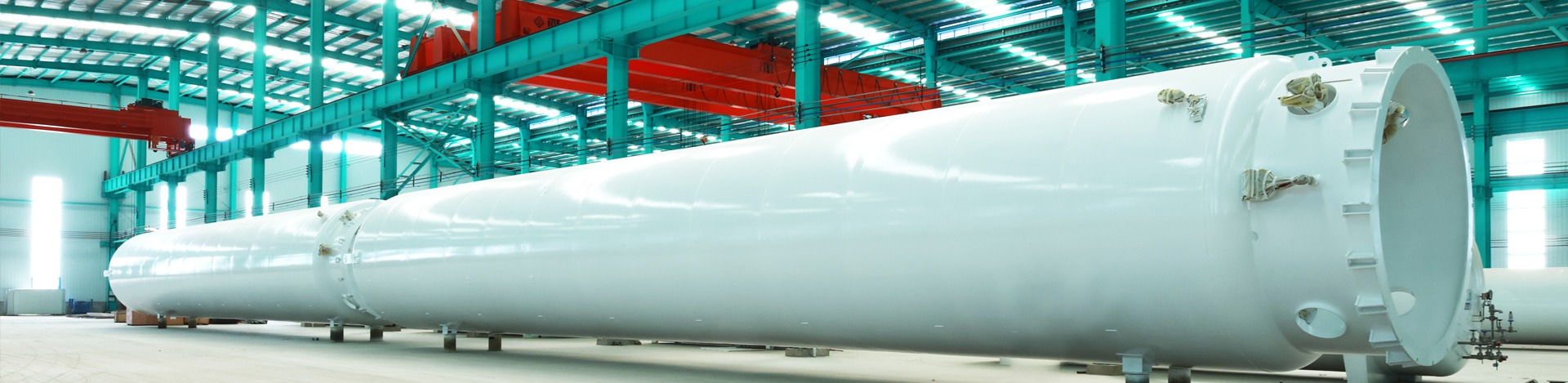

Installation Requirements for Industrial LNG Storage Tanks
LNG Storage Tanks are critical infrastructure components in liquefied natural gas supply chains, serving as secure containment systems for cryogenic LNG under extremely low temperatures. Proper installation is essential to ensure operational safety, long-term reliability, and regulatory compliance.
From a manufacturer’s perspective, installation requirements are closely linked to tank design, production standards, and bulk supply planning. This article provides a comprehensive overview of the key installation requirements for industrial LNG storage tanks, focusing on engineering, safety, and operational considerations.
Understanding the Role of LNG Storage Tanks in Industrial Systems
Industrial LNG storage tanks are designed to store liquefied natural gas at temperatures around −162°C. Their primary functions include:
·Maintaining cryogenic temperature stability
·Minimizing boil-off gas
·Ensuring structural integrity under thermal stress
Because of these demanding conditions, installation quality directly affects performance and service life.
Site Selection and Ground Preparation
Foundation Design Requirements
A stable foundation is the basis for safe LNG storage tank installation. The ground must be capable of supporting the full static and dynamic load of the tank, including LNG weight and thermal contraction forces.
Key considerations include:
·Soil bearing capacity assessment
·Settlement control measures
·Reinforced concrete or pile foundations
Manufacturers typically provide foundation load data to support site-specific engineering design.
Environmental and Location Factors
Industrial LNG storage tanks must be installed in locations that meet safety and regulatory distance requirements. Factors to evaluate include:
·Proximity to process units and utilities
·Accessibility for inspection and maintenance
·Environmental exposure such as wind, seismic activity, and flooding
Proper site planning reduces long-term operational risks.
Tank Assembly and Structural Installation
Tank Positioning and Alignment
Precise positioning is critical during installation. LNG storage tanks must be aligned according to design tolerances to avoid uneven stress distribution during operation.
Installation teams should ensure:
·Accurate leveling and centering
·Controlled lifting and placement procedures
·Continuous monitoring during assembly
Welding and Structural Connections
Welding quality directly impacts tank safety. All welding work should follow approved procedures and undergo non-destructive testing.
Key requirements include:
·Qualified welding personnel
·Controlled welding environments
·Inspection methods such as radiographic or ultrasonic testing
Manufacturers often coordinate closely with installation teams to ensure consistency with production standards.
Thermal Insulation and Cryogenic Protection
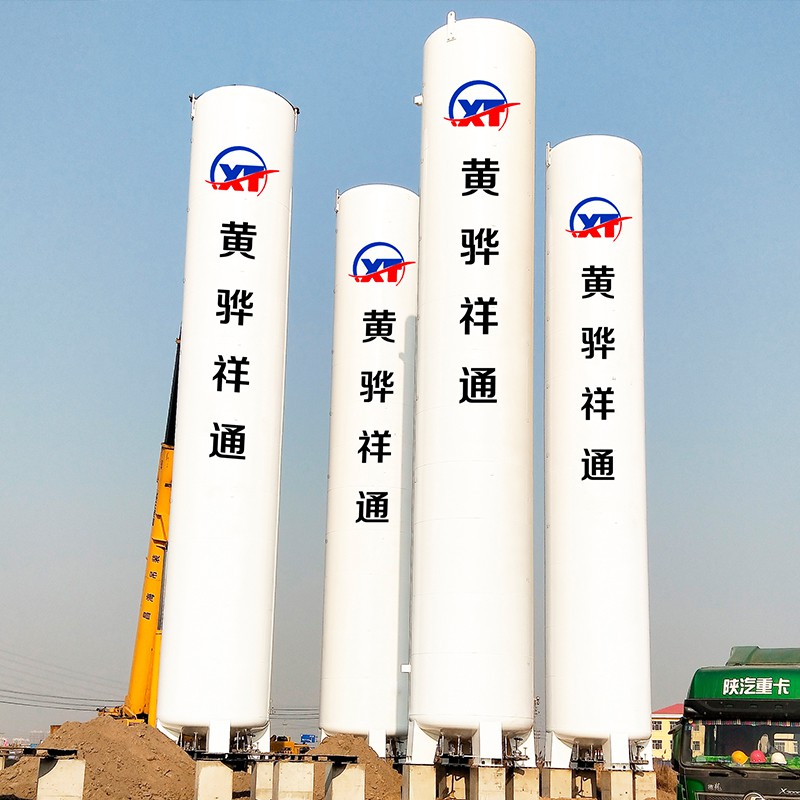
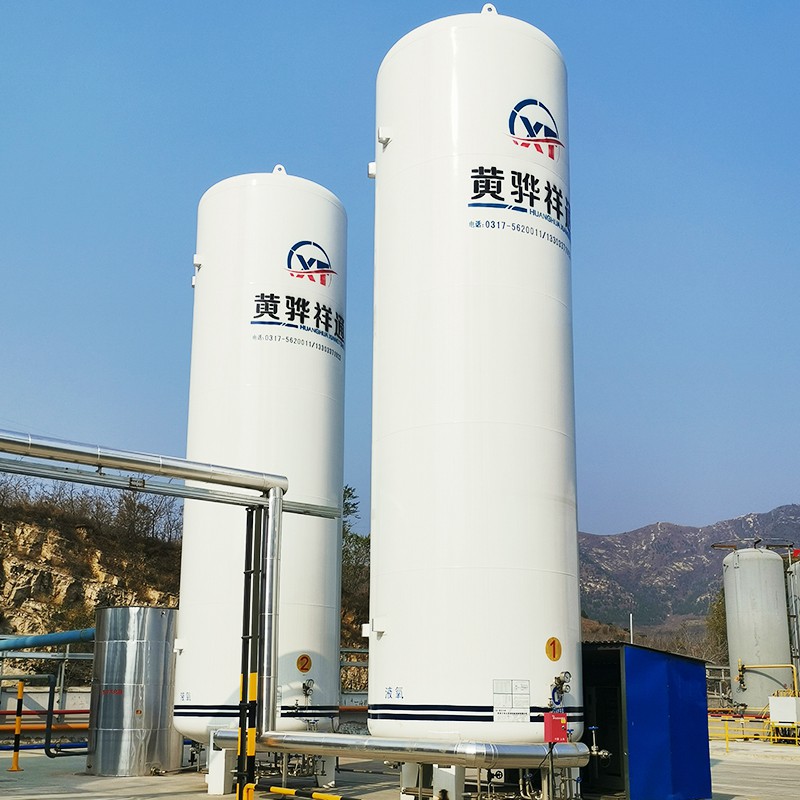
Insulation System Installation
Industrial LNG storage tanks rely on high-performance insulation systems to minimize heat ingress. Proper installation of insulation materials is essential for maintaining cryogenic conditions.
Important aspects include:
·Uniform insulation thickness
·Secure attachment to tank surfaces
·Prevention of moisture penetration
Thermal Contraction Allowance
Materials exposed to cryogenic temperatures experience significant contraction. Installation design must account for:
·Expansion joints
·Sliding supports
·Flexible connections
Failure to accommodate thermal movement can lead to structural damage.
Safety Systems and Instrumentation
Pressure Relief and Venting Systems
LNG storage tanks must be equipped with reliable pressure relief and venting systems to manage boil-off gas.
Installation requirements include:
·Proper sizing of relief valves
·Clear vent paths
·Safe discharge locations
Monitoring and Control Systems
Instrumentation installed during tank installation typically includes:
·Temperature sensors
·Pressure transmitters
·Level measurement devices
These systems support continuous monitoring and safe operation throughout the tank’s service life.
Regulatory Compliance and Inspection
Standards and Codes
Industrial LNG storage tank installation must comply with applicable international and local standards. While specific requirements vary by region, compliance ensures:
·Structural safety
·Fire and explosion protection
·Environmental protection
Manufacturers design LNG storage tanks to align with widely recognized engineering codes, supporting smoother installation and approval processes.
Inspection and Commissioning
Before commissioning, LNG storage tanks undergo comprehensive inspections, including:
·Structural integrity checks
·Leak testing
·Instrumentation calibration
Successful commissioning confirms that installation meets design and safety requirements.
Installation Considerations for Bulk Supply Projects
For projects involving multiple LNG storage tanks, coordination between manufacturing, production scheduling, and installation is essential.
Key factors include:
·Consistent quality across tank units
·Phased delivery and installation planning
·Standardized installation procedures
Manufacturers with stable production capacity are better positioned to support large-scale LNG infrastructure projects.
Long-Term Operation and Maintenance Planning
Installation quality has a direct impact on long-term maintenance requirements. Properly installed LNG storage tanks offer:
·Reduced inspection frequency
·Lower risk of structural issues
·Improved operational reliability
Early consideration of maintenance access during installation supports safer and more efficient operation.
Conclusion: Installation as the Foundation of LNG Storage Tank Performance
Proper installation is fundamental to the safe and efficient operation of industrial LNG storage tanks. From site preparation and structural assembly to insulation and safety systems, each step plays a critical role in overall performance.
For large-scale industrial applications, selecting LNG Storage Tanks from a professional manufacturer with proven production capability and bulk supply experience helps ensure that installation requirements are met with consistency, technical support, and long-term reliability.
References
GB/T 7714:Mokhatab S, Mak J Y, Valappil J V, et al. Handbook of liquefied natural gas[M]. Gulf Professional Publishing, 2013.
MLA:Mokhatab, Saeid, et al. Handbook of liquefied natural gas. Gulf Professional Publishing, 2013.
APA:Mokhatab, S., Mak, J. Y., Valappil, J. V., & Wood, D. A. (2013). Handbook of liquefied natural gas. Gulf Professional Publishing.