








Industrial vs. Medical LOX Tanks: Key Differences
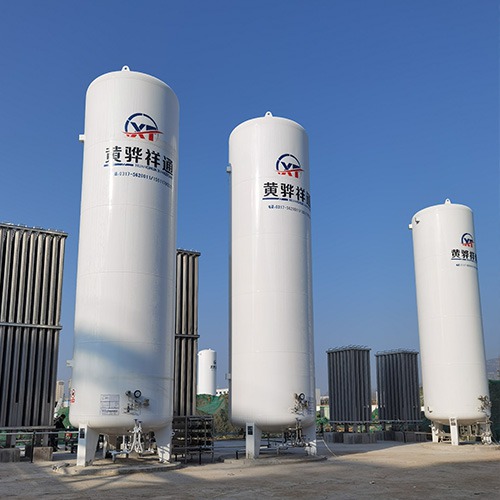
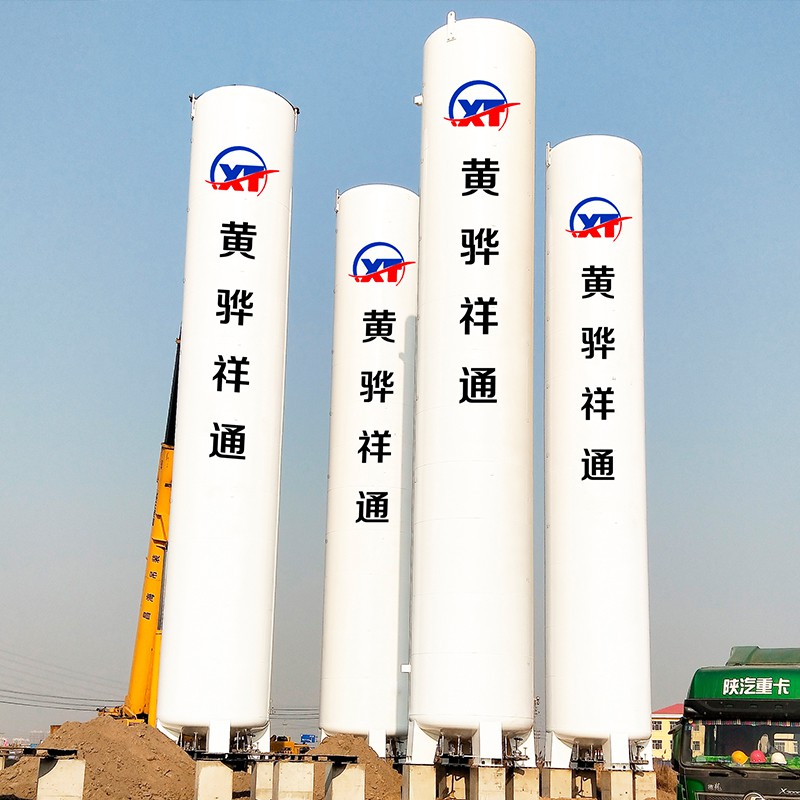
Liquid Oxygen Storage Tanks play a critical role in both industrial production and medical oxygen supply systems. Although they are based on the same cryogenic storage principles, industrial LOX tanks and medical LOX tanks differ significantly in design focus, operational requirements, and regulatory expectations.
From a manufacturer’s standpoint, understanding these differences is essential for proper production planning, quality control, and bulk supply management. This article provides a detailed comparison of industrial and medical LOX tanks, helping users select the right solution for their specific application.
Basic Principles of Liquid Oxygen Storage Tanks
Liquid oxygen is stored at extremely low temperatures, typically around −183°C. Liquid oxygen storage tanks are designed to maintain these cryogenic conditions while minimizing heat ingress and ensuring safe containment.
Both industrial and medical LOX tanks share core design features such as:
·Double-wall construction
·High-performance thermal insulation
·Pressure control and relief systems
However, how these features are implemented varies depending on the application.
Application Scenarios: Industrial vs. Medical Use
Industrial LOX Tanks
Industrial LOX tanks are commonly used in:
·Steelmaking and metal processing
·Chemical production
·Glass manufacturing
·Industrial gas supply networks
These applications typically require large-capacity tanks capable of continuous oxygen delivery under demanding operating conditions.
Medical LOX Tanks
Medical LOX tanks support healthcare facilities such as:
·Hospitals and clinics
·Emergency oxygen supply systems
·Medical gas distribution networks
In these environments, oxygen purity, reliability, and patient safety are the highest priorities.
Design and Capacity Differences
Tank Size and Storage Capacity
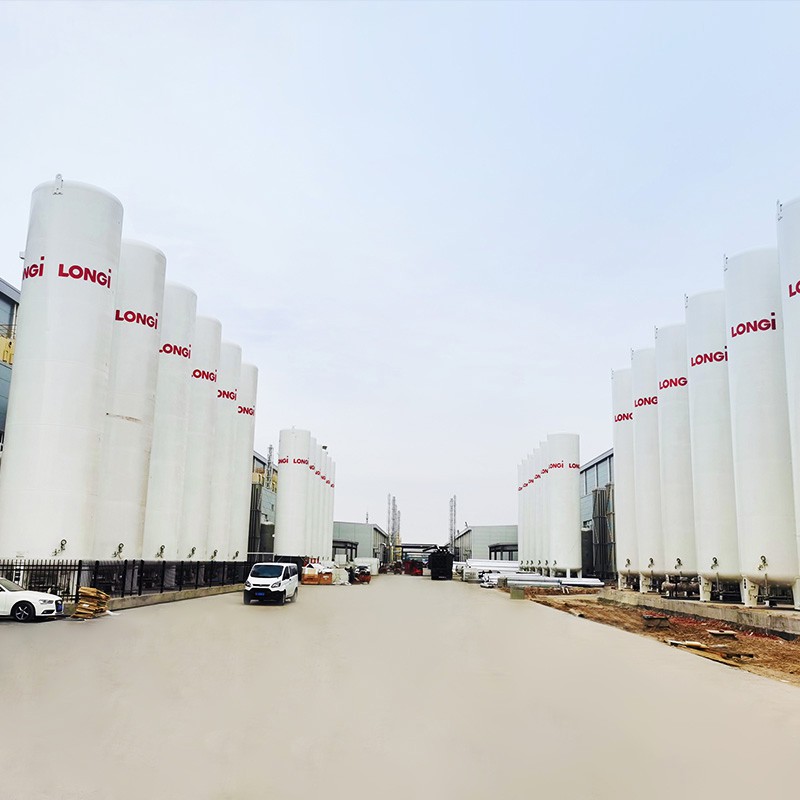
Industrial liquid oxygen storage tanks are generally larger, designed for high-volume consumption and long-term storage. Capacities may range from medium to very large, depending on production demand.
Medical LOX tanks are often smaller or medium-sized, optimized for consistent supply rather than maximum volume. Space constraints and installation flexibility are also important considerations in medical facilities.
Structural Design Focus
Industrial LOX tanks emphasize:
·Mechanical strength
·Durability under continuous operation
·Compatibility with industrial piping and equipment
Medical LOX tanks prioritize:
·Compact layouts
·Ease of installation near healthcare facilities
·Enhanced surface finishes for cleanliness
Manufacturers adapt design and production processes accordingly to meet these differing requirements.
Material Selection and Cleanliness Standards
Industrial Requirements
Industrial LOX tanks focus on materials that offer:
·High strength at low temperatures
·Resistance to thermal cycling
·Long service life
Cleanliness is important, but industrial standards typically allow a wider tolerance compared to medical applications.
Medical Requirements
Medical liquid oxygen storage tanks require stricter material and cleanliness controls. Internal surfaces must be compatible with high-purity oxygen and free from contaminants that could compromise medical gas quality.
During production, manufacturers implement additional cleaning, inspection, and documentation procedures for medical-grade tanks.
Safety and Regulatory Considerations
Industrial Safety Focus
Industrial LOX tanks are designed to handle:
·High flow rates
·Frequent filling and discharge cycles
·Harsh operating environments
Safety systems emphasize pressure control, structural integrity, and protection against mechanical damage.
Medical Safety Focus
Medical LOX tanks place greater emphasis on:
·Redundancy in supply systems
·Stable pressure delivery
·Continuous monitoring and alarms
In medical environments, even brief supply interruptions can have serious consequences, so reliability is critical.
Instrumentation and Monitoring Systems
Industrial liquid oxygen storage tanks typically use instrumentation suited for process monitoring, focusing on operational efficiency and maintenance planning.
Medical LOX tanks often require:
·Highly accurate level and pressure measurement
·Integration with hospital monitoring systems
·Clear alarm signals for abnormal conditions
These differences influence how tanks are configured during manufacturing and installation.
Installation and Maintenance Differences
Industrial Installations
Industrial LOX tanks are usually installed in dedicated plant areas with controlled access. Maintenance schedules are aligned with industrial shutdowns or production planning.
Medical Installations
Medical LOX tanks must be installed in locations that allow easy access for inspection while maintaining safety around patients and staff. Maintenance activities are carefully scheduled to avoid disrupting oxygen supply.
Production and Supply Considerations
From a manufacturer’s perspective, industrial and medical LOX tanks differ in production flow and quality assurance.
Industrial tanks often involve:
·Standardized designs
·Larger batch production
·Efficient bulk supply logistics
Medical tanks may require:
·Additional production steps
·Detailed traceability
·Smaller, customized batches
Manufacturers with stable production capacity can support both segments while maintaining consistent quality.
Choosing the Right Liquid Oxygen Storage Tank
Selecting between industrial and medical LOX tanks depends on:
·Application environment
·Oxygen purity requirements
·Capacity and space constraints
·Regulatory and safety expectations
Consulting with an experienced manufacturer during the planning stage helps ensure the chosen solution aligns with operational needs.
Conclusion: Matching Design to Application
Although they operate on the same cryogenic principles, industrial and medical Liquid Oxygen Storage Tanks serve very different purposes. Differences in capacity, design priorities, cleanliness standards, and safety systems reflect the unique demands of each application.
For projects requiring long-term reliability and consistent performance, sourcing Liquid Oxygen Storage Tanks from a professional manufacturer with proven production capability and bulk supply experience ensures that both industrial and medical requirements are met with precision, safety, and confidence.
References
GB/T 7714:Journal of loss prevention in the process industries[M]. Elsevier Science, 1988.
MLA:AC08599583, Anonymus, ed. Journal of loss prevention in the process industries. Elsevier Science, 1988.
APA:AC08599583, A. (Ed.). (1988). Journal of loss prevention in the process industries. Elsevier Science.