








How Temperature Control Systems Improve Cryogenic Storage Efficiency
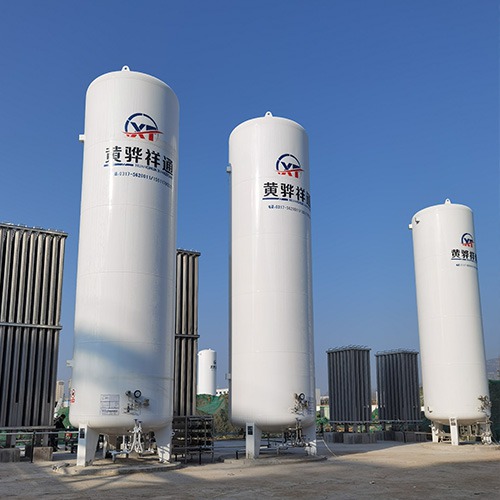
A Low temperature liquid storage tank is a core component in industries that handle cryogenic substances such as liquid oxygen, liquid nitrogen, and liquefied natural gas. These storage systems are designed to maintain extremely low temperatures while minimizing energy loss and ensuring operational safety. Among all design factors, temperature control systems play a decisive role in improving overall storage efficiency.
As global demand for cryogenic liquids grows across medical, energy, and industrial sectors, manufacturers with stable production capabilities are increasingly focused on optimizing temperature management to support bulk supply and long-term operation.
Why Temperature Control Matters in Cryogenic Storage
Cryogenic liquids are typically stored at temperatures below –160°C. At such extreme conditions, even small heat gains can cause rapid vaporization, pressure fluctuations, and product loss.
Effective temperature control systems help:
·Reduce boil-off rates
·Maintain stable internal pressure
·Protect tank materials from thermal stress
·Improve energy efficiency over long storage periods
For large-scale applications, especially where continuous production and distribution are required, temperature stability directly affects operational costs and supply reliability.
Core Components of Temperature Control Systems
Temperature control in a Low temperature liquid storage tank is not achieved by a single device, but through a coordinated system of components designed to work together.
Key elements include:
·High-performance insulation systems
·Vacuum layers to minimize heat transfer
·Temperature sensors and monitoring devices
·Automated pressure and vent control mechanisms
Manufacturers that operate standardized production lines can ensure these components are consistently integrated across batch-produced storage tanks.
Advanced Insulation and Heat Transfer Reduction
Insulation is the first line of defense against external heat. Modern cryogenic tanks commonly use multi-layer insulation combined with vacuum technology to significantly reduce conductive and convective heat transfer.
Benefits of advanced insulation include:
·Lower external energy impact
·Reduced frequency of venting
·Improved long-term storage efficiency
From a production standpoint, consistent insulation quality is essential. Manufacturer-controlled processes help maintain uniform insulation performance across large quantities of storage tanks.
Real-Time Monitoring and Automated Control
Modern temperature control systems rely heavily on real-time data. Sensors continuously monitor temperature, pressure, and liquid levels inside the tank.
Automated control systems can:
·Adjust pressure relief settings dynamically
·Trigger alarms when abnormal temperature changes occur
·Optimize venting to minimize product loss
This level of automation is especially valuable in facilities that manage multiple Low temperature liquid storage tanks simultaneously, ensuring stable operation without constant manual intervention.
Reducing Boil-Off and Energy Consumption
Boil-off gas is one of the main sources of inefficiency in cryogenic storage. Temperature control systems help limit boil-off by maintaining thermal equilibrium within the tank.
Effective temperature regulation:
·Lowers evaporation rates
·Reduces the need for frequent re-liquefaction
·Minimizes energy consumption over time
For industrial users operating at scale, even small efficiency improvements translate into significant cost savings. This is why production-focused manufacturers prioritize temperature optimization during tank design and fabrication.
Material Protection and Structural Integrity
Extreme temperature fluctuations can cause material fatigue and structural stress. Temperature control systems help maintain gradual and stable thermal conditions, protecting tank materials from cracking or embrittlement.
Stable temperature management supports:
·Longer equipment service life
·Reduced maintenance requirements
·Improved safety margins
In batch production environments, standardized thermal design ensures that every Low temperature liquid storage tank meets the same durability and performance criteria.
Operational Safety and Risk Prevention
Temperature instability can increase safety risks, including pressure surges and oxygen-enriched environments. Well-designed temperature control systems contribute directly to safer operations.
Key safety benefits include:
·Controlled pressure buildup
·Predictable venting behavior
·Reduced risk of emergency discharge
For manufacturers supplying tanks in bulk, integrating reliable temperature control solutions is essential to meeting international safety expectations and regulatory requirements.
Scalability for Industrial and Medical Applications
Temperature control systems must be scalable to support different storage capacities, from small medical tanks to large industrial installations.
Scalable systems allow:
·Flexible deployment across industries
·Efficient operation under varying load conditions
·Easier integration into existing infrastructure
Manufacturers with strong production capabilities can adapt standardized temperature control designs to different tank sizes while maintaining consistent performance.
Conclusion: Enhancing Efficiency Through Smart Temperature Control
Efficient cryogenic storage depends on more than just tank structure—it relies on advanced temperature control systems that maintain stability, reduce losses, and protect equipment over time. A well-designed Low temperature liquid storage tank integrates insulation, monitoring, and automated control to achieve optimal performance.
For industrial users seeking reliable long-term solutions, choosing tanks supported by experienced manufacturers with proven production capacity offers clear advantages. Through precise temperature management and consistent manufacturing standards, cryogenic storage systems can deliver both operational efficiency and dependable bulk supply for demanding applications.
References
GB/T 7714:Cryogenic engineering: fifty years of progress[J]. 2007.
MLA:Timmerhaus, Klaus D., and Richard P. Reed, eds. "Cryogenic engineering: fifty years of progress." (2007).
APA:Timmerhaus, K. D., & Reed, R. P. (Eds.). (2007). Cryogenic engineering: fifty years of progress.