








How Material Quality Shapes the Safety of Low-Temperature Storage Tanks
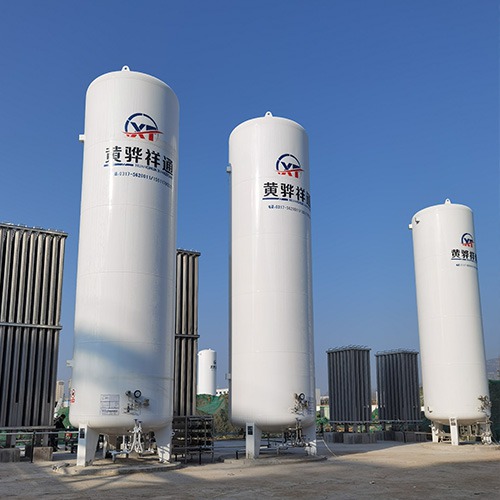
In the world of cryogenic engineering, low-temperature storage tanks are the backbone of safe liquefied gas handling. Whether storing LNG, liquid nitrogen, liquid oxygen, or other subzero media, these tanks operate under extreme conditions that push materials to their limits. Temperatures far below freezing cause metals to behave differently, insulation systems to work harder, and structural components to endure constant thermal stress.
For this reason, the quality of materials used in these tanks becomes one of the strongest predictors of operational safety. With experience as a manufacturer equipped with strong production capabilities, we have seen how a single material improvement can significantly elevate the safety and lifespan of a cryogenic tank.
This article examines how materials influence cryogenic safety from every angle—from alloy selection to welding quality and insulation effectiveness.
1. Material Behavior Under Extreme Cold
When exposed to cryogenic temperatures, metals undergo changes that are often invisible under normal conditions. A material that is fully safe at room temperature may become brittle or lose elasticity at –160°C or below.
Major mechanical challenges include:
·Rapid brittle transition in unsuitable metals
·Cracking caused by sudden thermal contraction
·Reduced fracture toughness
·Loss of ductility under dynamic loads
To prevent these failures, low-temperature storage tanks must be fabricated from metals engineered specifically for cold environments.
Cryogenic-compatible materials typically include:
·Austenitic stainless steel (excellent impact resistance at low temperatures)
·Aluminum alloys, valued for corrosion resistance and flexibility
·9% nickel steel, widely used in LNG due to superior fracture toughness
Using materials not rated for cryogenic service increases risk dramatically—especially during filling, rapid cooling, or pressure fluctuations.
2. Welding Quality: A Critical Safety Line
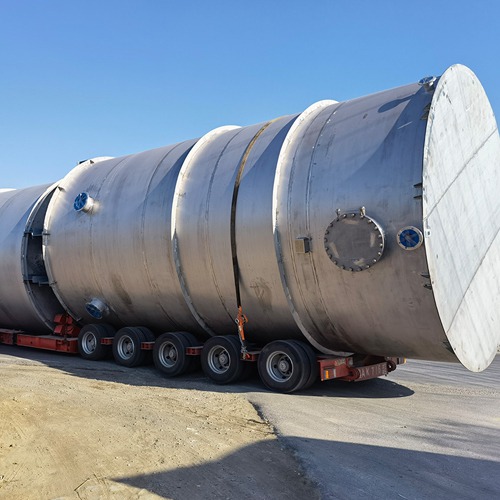
Welds are often the weakest points in any pressure vessel, and in cryogenic tanks, they must withstand both thermal cycling and internal pressure shifts. Poor weld penetration, impurities, or micro-defects can grow rapidly in low-temperature environments.
Welding quality directly influences:
·Pressure integrity
·Vacuum performance
·Long-term structural stability
·Resistance to crack propagation
In cryogenic engineering, defects as small as hairline pores can compromise tank safety over time.
High-quality production requires:
·Automated or semi-automated welding
·Certified cryogenic filler metals
·Ultrasonic and radiographic testing
·Consistent process control from start to finish
This is why choosing a reliable manufacturer with strict quality control procedures is essential. Weld performance is not optional—it is foundational.
3. Insulation Material Quality Determines Thermal Safety
The insulation system surrounding the tank plays a key role in maintaining stable cryogenic temperatures. Poor-quality insulation leads to faster heat ingress, greater vaporization loss, and rising internal pressure.
Benefits of high-quality insulation materials:
·Better temperature control
·Reduced boil-off rate
·Lower operating costs
·Greater overall system safety
Common insulation solutions for low-temperature tanks include:
·Vacuum multilayer insulation (MLI)
·Aerogel or perlite insulation
·Foam-based insulation for specific tank types
When insulation materials degrade, absorb moisture, or are improperly installed, tanks experience performance loss and safety hazards, including:
·Vacuum failure
·Surface icing
·Heat leakage
·Pressure instability
Thus, a tank’s insulation quality is equally as important as the metal used for its shell.
_storage_tank.jpg)
4. Corrosion Resistance and Material Durability
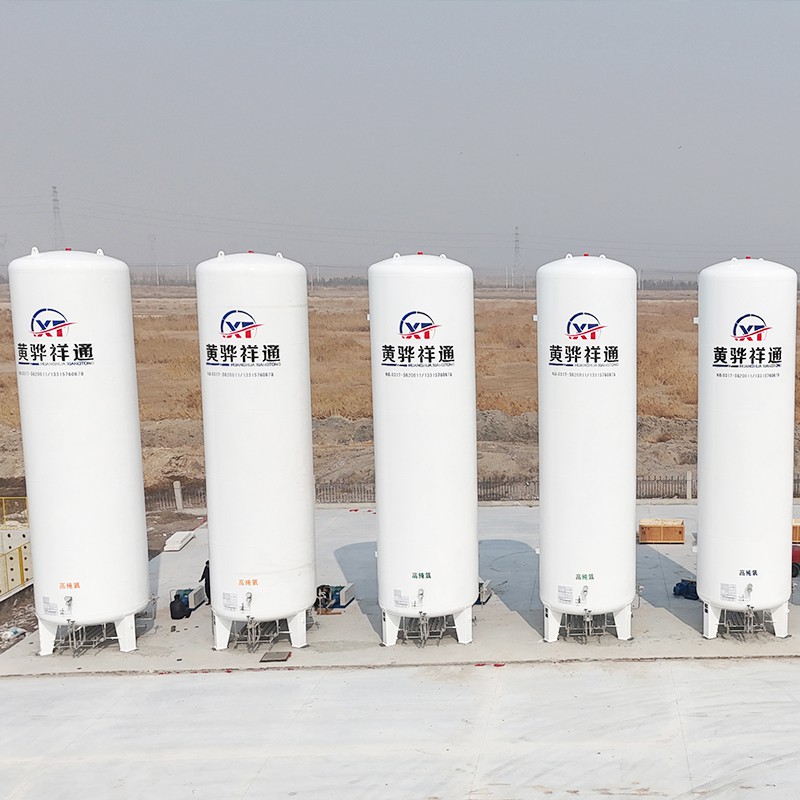
Although cryogenic temperatures slow certain chemical reactions, external corrosion remains a major concern. Tanks used outdoors are subjected to moisture, environmental chemicals, and temperature swings that gradually affect material performance.
Material resistance determines:
·Long-term structural integrity
·Protection of internal insulation layers
·Maintenance intervals
·Resistance to atmospheric and chemical corrosion
High-quality stainless steel and aluminum alloys offer excellent anti-corrosion performance, while lesser-quality metals require additional coatings or external treatments.
Poor corrosion resistance is not merely a maintenance issue—it is a safety risk, as corrosion can thin the tank wall or compromise vacuum stability.
5. Material Influence on Pressure Stability
Low-temperature tanks must remain structurally stable under both internal (cryogenic vapor pressure) and external (vacuum) pressure conditions. Material strength and elasticity determine how well the tank tolerates these forces.
High-grade materials offer:
·Controlled thermal contraction
·Better resistance to deformation
·Reduced risk of stress cracking
·Increased tank lifespan
Using substandard metals can lead to tank wall distortion, reduced insulation efficiency, or even catastrophic failure during pressure surges.
6. Importance of Manufacturing Standards and Production Quality
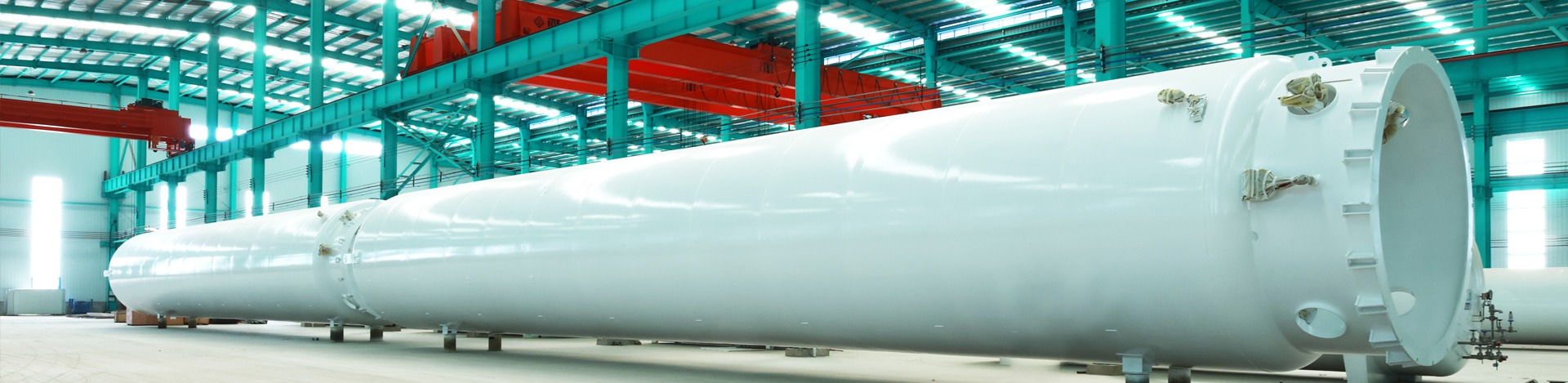
Material quality is only valuable when paired with meticulous manufacturing. A tank built from excellent materials can still be unsafe if fabricated without proper oversight.
A dependable cryogenic tank manufacturer ensures:
·Verified cryogenic-grade raw materials
·Traceable production processes
·Compliance with ASME/EN/ISO standards
·Detailed inspection and pressure testing
·Reliable batch production consistency
The combination of material quality and manufacturing discipline ultimately determines whether a tank can operate safely for decades.
Conclusion: Material Quality Defines the Future of Low-Temperature Storage Tank Safety
Across cryogenic applications, the safety and performance of low-temperature storage tanks are deeply influenced by material selection, welding precision, insulation integrity, and corrosion resistance. Every layer—metal, weld, and insulation—must work together under extreme conditions.
By choosing tanks produced with high-grade materials and manufactured under strict engineering standards, facilities gain higher safety margins, more stable performance, and longer operational lifespans.
Whether used for LNG, LOX, LIN, or other cryogenic fluids, prioritizing material quality ensures that low-temperature storage tanks remain safe, efficient, and dependable in the long term.
References
GB/T 7714:Mishra R S, Ma Z Y. Friction stir welding and processing[J]. Materials science and engineering: R: reports, 2005, 50(1-2): 1-78.
MLA:Mishra, Rajiv S., and dan ZY Ma. "Friction stir welding and processing." Materials science and engineering: R: reports 50.1-2 (2005): 1-78.
APA:Mishra, R. S., & Ma, D. Z. (2005). Friction stir welding and processing. Materials science and engineering: R: reports, 50(1-2), 1-78.